



A Queensland First Nations women's legal service has welcomed the State Government's Budget commitments but called for longer-term funding and fair inflation support for community-controlled organisations.
The 2026-27 Queensland Budget includes $73 million for 21 new public health, critical and essential infrastructure projects in Aboriginal and Torres Strait Islander communities through the Closing the Gap Priorities Fund.
The $167.2 million Women, Aboriginal and Torres Strait Islander Partnerships and Multiculturalism Budget also includes support for women's economic security, multicultural grants and social cohesion programs.
'We anticipate visible results when there is sufficient investment into community solutions'
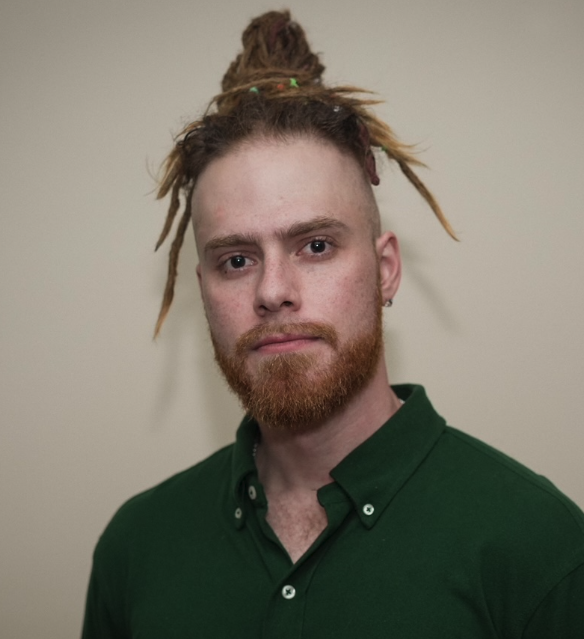
First Nations Women's Legal chief executive Penney Ferguson told National Indigenous Times the commitment to Closing the Gap needed to be matched by investment in community-led solutions.
"We welcome the Queensland government's commitment to Closing the Gap, supporting women and strengthening communities," Ms Ferguson said.
"First Nations Women's Legal focus on targets 10-13 by addressing the disproportionate impact on First Nations people in the criminal justice system, as well as out of home care and ensuring families and households are safe as part of the National Access to Justice Partnership (NAJP).
"We anticipate visible results coming from our communities when there is sufficient investment into community solutions."
The Budget includes continued funding for Women's Career Grants, the expanded Jobs Academy program and ongoing Empowering Queensland Women Grants.
The government said the programs would support women returning to paid work after career breaks, help remove employment barriers and improve economic security.
It also includes $3.75 million this financial year for Multicultural Connect grants to upgrade community halls, meeting spaces and sporting facilities, along with a $1.53 million Social Cohesion Package.
Queensland Minister for Women and Women's Economic Security, Aboriginal and Torres Strait Islander Partnerships, and Multiculturalism Fiona Simpson said the Budget was aimed at practical support.
"This Budget is about delivering practical support where it can make a real difference in communities, workplaces and the everyday lives of Queenslanders," Ms Simpson said.
"By investing in public health and critical and essential infrastructure in Indigenous communities, we are backing locally prioritised projects that help deliver real tangible outcomes, better services and stronger foundations for the future."
Call for more security for services with longer-term agreements
Ms Ferguson said practical initiatives for Indigenous communities needed to be grounded in community control.
She said the National Agreement on Closing the Gap recognised community-controlled organisations as better placed to deliver outcomes for Aboriginal and Torres Strait Islander people.
"First Nations Women's Legal is First Nations led and the workforce is made up of more than 50 per cent First Nations women," Ms Ferguson said.
"This is due to the significant investment into the workforce, despite the many challenges with remote service delivery.
"We would like to see more security for services with longer-term agreements and specific funding into strengthening the workforce, including a workforce that is suitable for First Nations women."
The Government said the Budget was part of its plan to deliver better services through a stronger economy.
Treasurer David Janetzki said the Budget included no new or increased taxes and aimed to ease cost-of-living pressures while funding services, housing, infrastructure and the 2032 Games.
Ms Ferguson said funding settings were placing pressure on organisations delivering frontline services.
"The difference between the Fair Work decision on the minimum wage (4.75 per cent) and the inflation announcement (3.31 per cent) adds an unnecessary financial burden on organisations," Ms Ferguson said.
"This makes it more difficult, not easier to continue our services.
"We call for fair inflation commitments."



