



Yankunytjatjara-Anangu woman and second-generation survivor of nuclear testing, Karina Lester, has called for urgent action and meaningful inclusion of affected communities under the Treaty on the Prohibition of Nuclear Weapons (TPNW).
Ms Lester addressed delegates at the Third Meeting of States Parties (3MSP) in New York, drawing on her family's experience following the British nuclear tests in South Australia during the 1950s and 1960s.
She told the meeting her father, Yami Lester, was blinded as a child by fallout from a 1953 atomic test at Emu Field.
"On the 15th of October 1953, he was a young boy when the low-lying black mist came through his camp, poisoning the country, poisoning people," she said.
"By 1957, at the young age of 16, his whole world would turn into complete darkness."
Ms Lester said her father spent his life fighting for Aboriginal rights and nuclear disarmament, despite never seeing his children or grandchildren.
"He knew us all by voice and by colour," she said.
The TPNW, adopted in 2017 and entered into force in 2021, is the first international treaty to comprehensively ban nuclear weapons.
It prohibits their development, testing, use, and possession, and obliges states to support victims and remediate affected environments.
Meetings of States Parties are held every two years to review implementation and progress.
The third meeting, held from 3 to 7 March 2025, was hosted by Kazakhstan at the United Nations headquarters.
Ms Lester said little support had reached most survivors and their descendants.
"Now, so many of those first witnesses and frontline affected people have died and passed, many from radiation-related cancers and illnesses," she said.
"Their damaged DNA is cruelly passed down to children, grandchildren, and great-grannies."
She said Articles 6 and 7 of the treaty - which relate to victim assistance and environmental remediation - offered hope, but needed to be met with action.
"With this treaty, you have an opportunity to do the right thing for communities affected by nuclear weapons," she said.
"Tangible, grounded, practical good, and this needs to be done soon.
"This practical support is a meaningful way for governments to support the goals of the treaty and to be accountable for historic harm."
Ms Lester urged delegates to include impacted communities in shaping the proposed International Trust Fund, saying this participation must extend to those in countries that have not signed the treaty.
"Don't make us pay again for the wrongs of the governments that have harmed us and that remain outside of the treaty," she said.
She expressed disappointment that Australia has not signed or ratified the TPNW, despite its history and connection to the treaty's formation through the International Campaign to Abolish Nuclear Weapons.
"My country, my traditional lands, has felt the reality of nuclear weapons use… Yet despite promises, despite the expectations of community members and parliamentarians, and despite the clear and urgent need, we are still waiting," she said.
"Australia is the gap in our region. And this is shameful, nothing but broken promises."
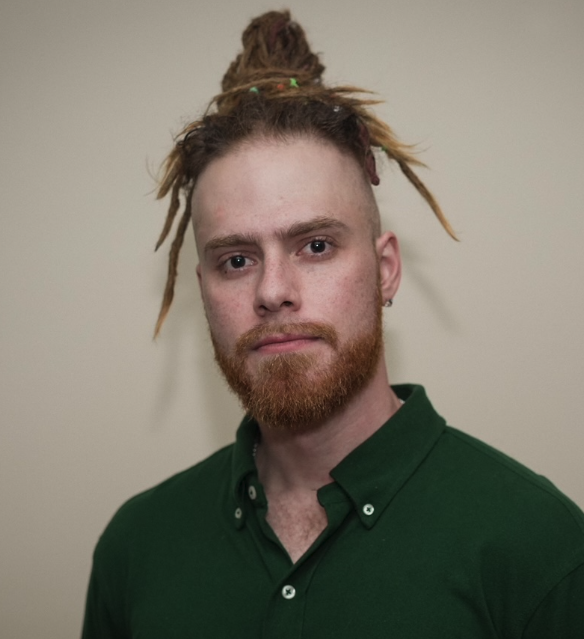
Ms Lester said she attended the meeting with her 17-year-old son and called on all states to protect future generations from the harms of nuclear weapons.
"We call on our government to sign and ratify, to join this community of nations in working together to abolish nuclear weapons," she said.
"These weapons have already taken too much from us and it's time now for repair and for making things right."



