



Warning: this article contains examples of racist abuse.
This is the side of Australia no one wants to talk about.
What started as a simple moment of pride became a flood of abuse that stripped away any illusion that racism is a thing of the past.
At every chance I get, I celebrate my identity as a Black woman. I shout it from the rooftops. I carry it into boardrooms, into community spaces, into cultural events and digital platforms. Because my identity is my ancestors, my Country and my responsibility.
Recently, I was hit with a level of public racism I have never experienced before. Not whispered. Not implied. Loud. Aggressive. Deeply personal. And I want to be clear, what is happening to me is not separate from a bigger truth about this country.
Every year as January 26 approaches, racism bubbles back to the surface. Identity becomes politicised. Truth telling becomes uncomfortable. Aboriginal people become targets for speaking openly about who we are and where we come from.
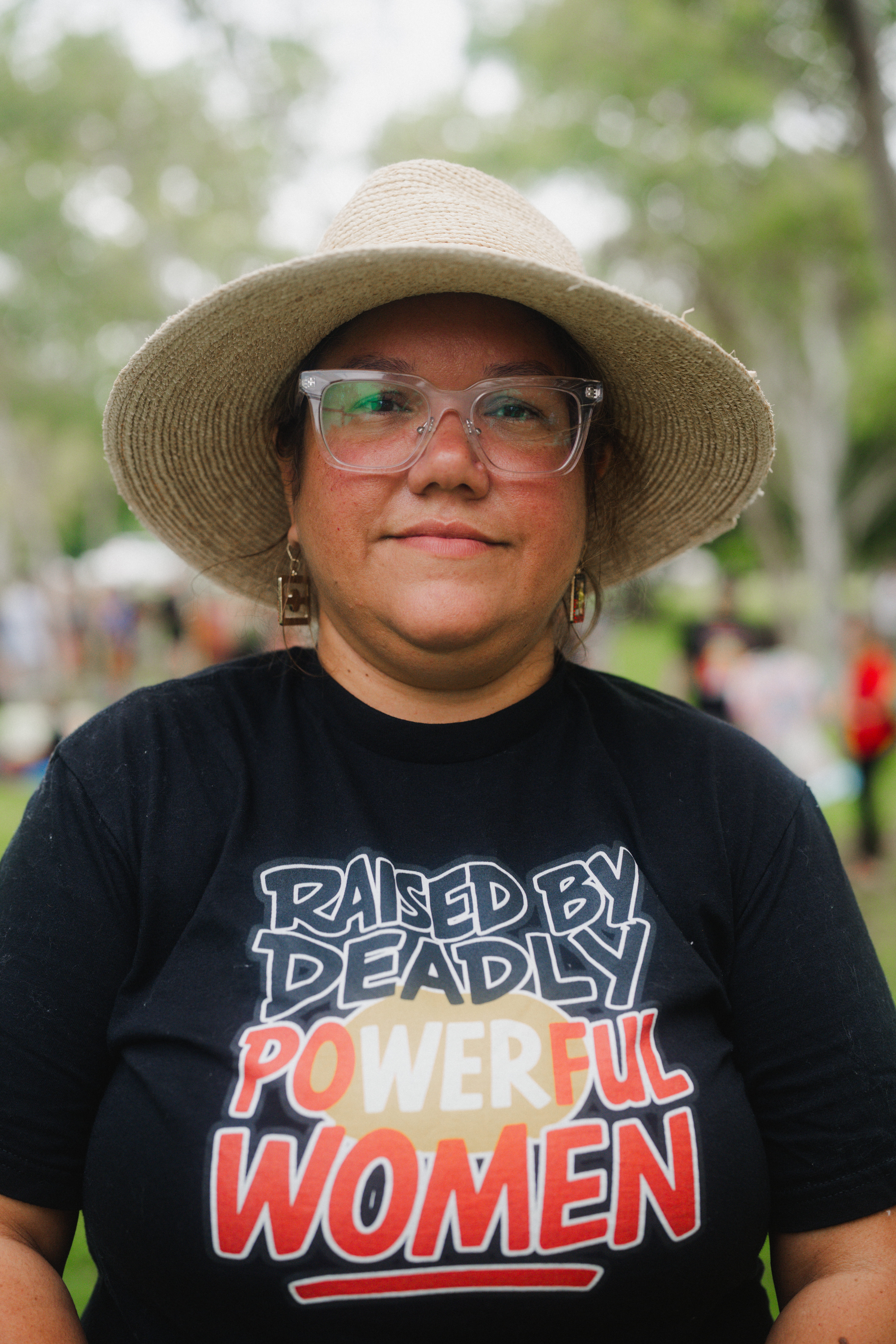
And like every other day, I celebrated Black women with intention and pride. That is what I do. It was not about January 26. It was not a protest. It was simply a moment of Black joy. And still, people attacked who I am.
The comments rolled in.
Some dove straight into identity policing, as if being Aboriginal requires their measurement or approval. One man asked, "So when do you stop being Aboriginal? When you have less than ten percent? Five percent? One percent?"
Another wrote, "Black... isn't that a racist comment?"
Others tried to reduce culture to a colour chart: "Look pretty white to me." "Barely brown." "Ninety-eight percent non black."
This obsession with colour is not new. It is part of a long colonial project that demands Aboriginal people prove authenticity through phenotype, paperwork or pain. It teaches us that we can be too Black to be safe in this country, yet never Black enough to be believed.
Then came the stereotypes and slurs. Comments like, "The gravy train runs strong." "Black only when it is convenient."
Another wrote, "I identify as Aboriginal... works well with government agencies."
These narratives fuel resentment and lateral violence. They push the false idea that Aboriginal identity is something you claim for benefits, instead of something inherited through bloodlines, kinship, story and Country.
And then there is the violence disguised as humour. One comment said, "I love how they are all strong Black women. Then you go for a drive through Darwin and an Aboriginal man has got one and is belting the fuck out of them. So strong. Pmsl."
At that point we are not talking about opinion. We are talking about contempt. We are talking about the normalisation of violence against Aboriginal women. About a society that would rather laugh at our pain than confront the systems that cause it.
And of course, the classic dismissal: "Victim card played."
For many non-Indigenous Australians, social media is harmless. For us, it is where racism hides in plain sight. It is where truth telling collides with denial. It is where the reality of being Aboriginal is held up against the image Australia wants to project about itself.
What I saw reminded me that racism in this country is not subtle. It is public, confident and unashamed. People type this hate under their real names, with employers, family, clients and children visible. That confidence does not come from nowhere. It comes from a country that has never fully confronted its own history.
Truth telling is not just about the past. It is about naming the racism that still lives today in comments like these, in workplaces, in parliament, in health systems and in silence. And the silence matters. Silence protects racism, not us.
And yet, in the middle of all of this, there is something else that deserves to be named — resilience.
Because the fact that we are here today, speaking, celebrating, surviving and continuing culture is resilience. Our resilience is not about "getting over it" or pretending racism doesn't hurt. Our resilience is ancient. It comes from more than 65,000 years of story, science, law, kinship and Country. It comes from ancestors who endured missions, massacres, removals, segregation, exploitation and erasure — and still held onto language, ceremony, humour and love.
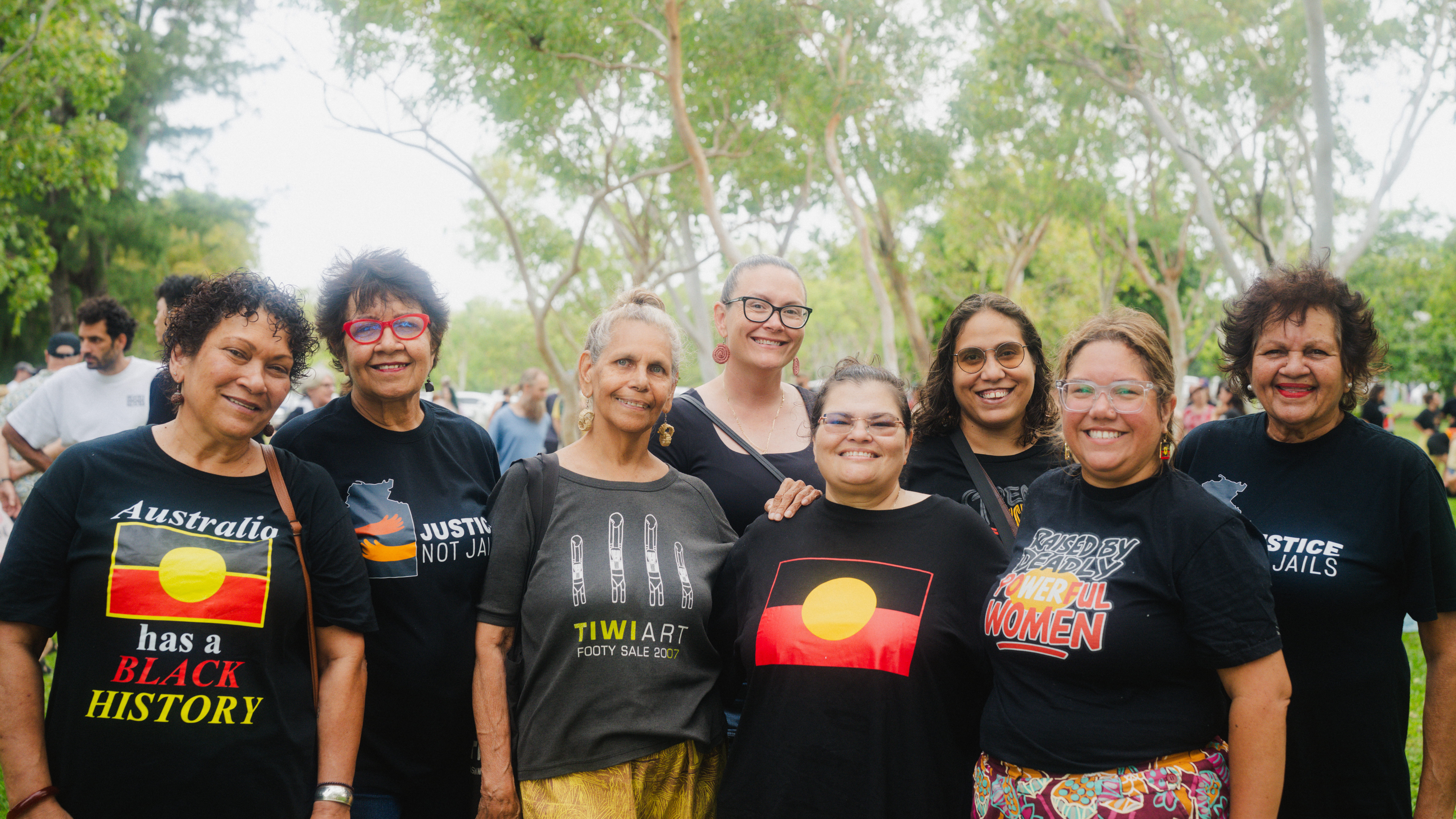
Resilience is our aunties who correct the narrative without raising their voice. It is our uncles who still crack jokes despite carrying history on their backs. It is our young ones learning dance, language and truth. It is our women who keep families alive under conditions that would break most people. It is our men who are searching for healing in a country that rarely gives them space for it. It is our Elders who carry both pain and wisdom and still show up for community.
That resilience matters because psychological safety matters.
Psychological safety means being able to speak without fear of humiliation or punishment. It means being able to tell the truth about this country without being attacked. It means our kids being able to say who they are without having to prove it. It means workplaces where First Nations people can show up as themselves without shrinking or censoring or bracing for backlash. It means communities where learning and unlearning can happen without shame.
Right now, too many Aboriginal people are expected to educate, absorb, explain, defend and endure — without safety, without support and without care. And yet we still show up. We still speak. We still survive.
There is also a darker undertone here. Australia is in the middle of a domestic violence epidemic, and many of the men behind these comments sound angry, volatile and unable to regulate their emotions. If this is how they speak to strangers online, how do they treat their partners behind closed doors? This is not just trolling. This is a public safety issue. Some of these men are walking red flags and their comments expose them in real time.
People ask why we talk about this every January. The answer is simple. Because our survival deserves honesty. Because our communities deserve dignity. Because our children deserve the truth, not denial. Because reconciliation without truth is performance.
The hate I am receiving will not silence me. It makes me louder. Pride in being Black is not an attack. It is a declaration of survival. It is resilience in motion.
And now I want to end on this:
We are not here today because we lost. We are here today because we survived. We are here because our ancestors refused to disappear. We are here because culture is alive. We are here because the next generation deserves a safer, truer and more dignified Australia than the one we inherited.
So here is the call to action:
If you are new to this conversation, stay in it.
If you are uncomfortable, sit with it.
If you benefit from these systems, change them.
If you see racism, name it.
If you hold power, use it.
If you have kids, tell them the truth.
If you want reconciliation, protect truth telling and psychological safety first.
Because survival is not the end goal — liberation is.
And we can only get there together.



