



Wakai Waian Healing is set to begin the second phase of its Universal Aftercare project across Zenadth Kes, with an initial focus on improving access to mental health education and regular psychology support on Badu and Mer.
The project has spent the past year hearing from people across participating communities about mental health and wellbeing, healing, access to services and the changes communities want to see.
Phase One, Starting to Create Understanding, gathered those experiences, while Phase Two, Preparing for Action, will take the findings back to communities to identify local priorities and begin responding to urgent needs.
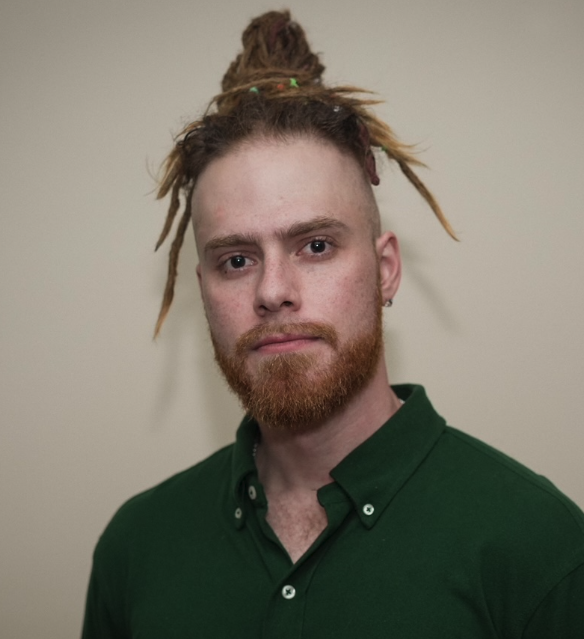
Wakai Waian Healing CEO and psychologist, Ed Mosby, said the next stage needed to turn consultation into practical work.
"Consultation is important and listening is important, but talking at some point has to turn into progress and action," Mr Mosby said.
"There's a saying we hear across the Torres Strait that 'talking doesn't cook rice'. People have given us their time and told us what they need."
Recommendations from the first phase included more community-based mental health education, work to reduce shame and stigma and more regular access to professional mental health support.
Wakai Waian Healing will initially work towards monthly psychologist visits to Badu and Mer alongside community-based mental health education, before adapting the approach with other participating island communities.
Mr Mosby said the work would respond to priorities already identified while allowing communities to shape longer-term approaches.
"Progress doesn't mean coming in with a ready-made solution," he said.
"It means acting on the things communities have already been very clear about, while continuing to sit with people and work out what the longer-term response should look like. On Badu and Mer, one of those first steps is regular monthly psychology support."
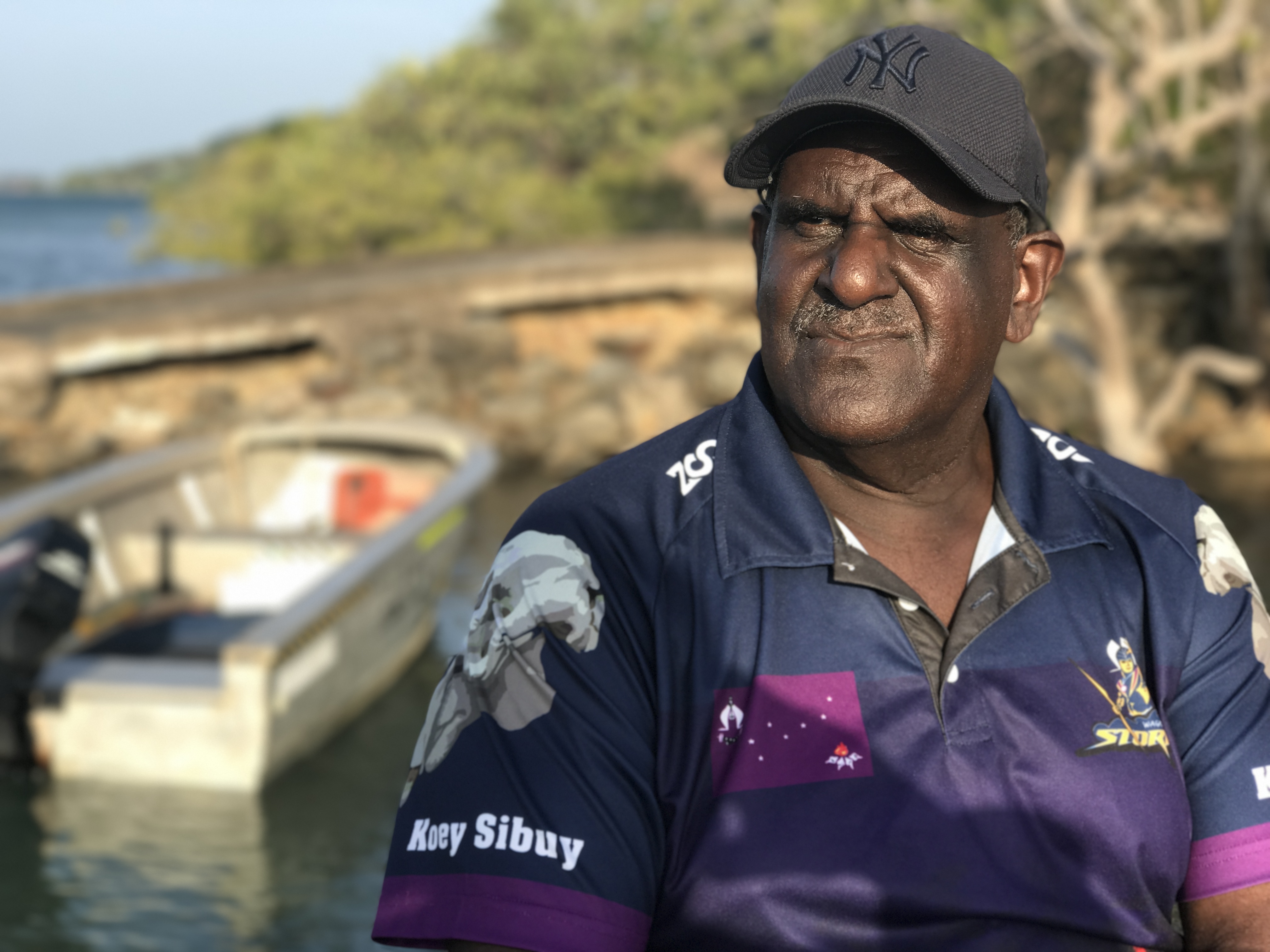
Universal Aftercare Steering Committee member, Uncle Gabriel Bani, said individual islands needed responses suited to their communities rather than a single model across Zenadth Kes.
"Different islands, each island is different and unique," Uncle Gabriel said.
Phase Two will continue in partnership with Torres and Cape Hospital and Health Service, Torres Health and local community organisations and leaders.
The project aims to strengthen connections between services while keeping community and culture central to mental health and wellbeing support.
Findings from Phase One will be taken back to individual islands, with approaches expected to differ between communities including Mer, Badu, Boigu, Poruma and Masig.
Uncle Gabriel said communities understood both the issues they faced and the responses that could work locally.
"If we empower them to not only find those solutions, but to work on those solutions, then we will see that change, we will see that impact, because it's people coming up with their own solutions to their own issues," he said.
Culture, family, identity and belonging will also remain central to the project as it moves into its next phase.
Uncle Gabriel identified language, Buway/Buai and kinship, genealogy, family connections, traditional lands, singing and dancing as ways people remain connected to identity and community.
"Culture is not a step backwards, it's a foundation that we stand on to step forward," he said.
Wakai Waian comes from Kala Lagaw Ya, in the Mabuyag dialect, and describes practices including advising, counselling, supporting, caring and helping people find strength and healing.
Traditionally, those responsibilities operate through family and kinship structures, including older people supporting younger relatives and family members caring for one another.
"Everyone has an obligation for Wakai Waian," Uncle Gabriel said. "And that holds that kinship, that family together. Those structures still exist, we just need to utilise them again."
The approach also informs the cultural governance of Universal Aftercare, with Torres Strait Islander-owned Wakai Waian Healing supported by a steering committee of Torres Strait Islander Elders and people with cultural, clinical, professional and academic knowledge.
Shame and stigma surrounding mental health conversations were also identified during Phase One.
Regular access to psychologists and counsellors is intended to provide another confidential place for people to seek support while maintaining connections with cultural, family and community structures.
As Phase Two begins, communities will help determine how mental health education, referrals, follow-up and visiting psychology services should operate locally.
Mr Mosby said the project would continue listening while beginning to put community priorities into practice.
"Communities have given us their time, their knowledge and their trust," he said.
"Phase Two is about respecting that by moving forward. We will keep listening, because communities must continue to guide this work, but we also need to start doing."
Original story by Tom Hearn.



