




DJAARA, the Dja Dja Wurrung Clans Aboriginal Corporation, this month has welcomed the public to BIYAL, a new exhibition at Castlemaine Art Museum honouring the Guildford Biyal (Red gum) and works created from its timber.
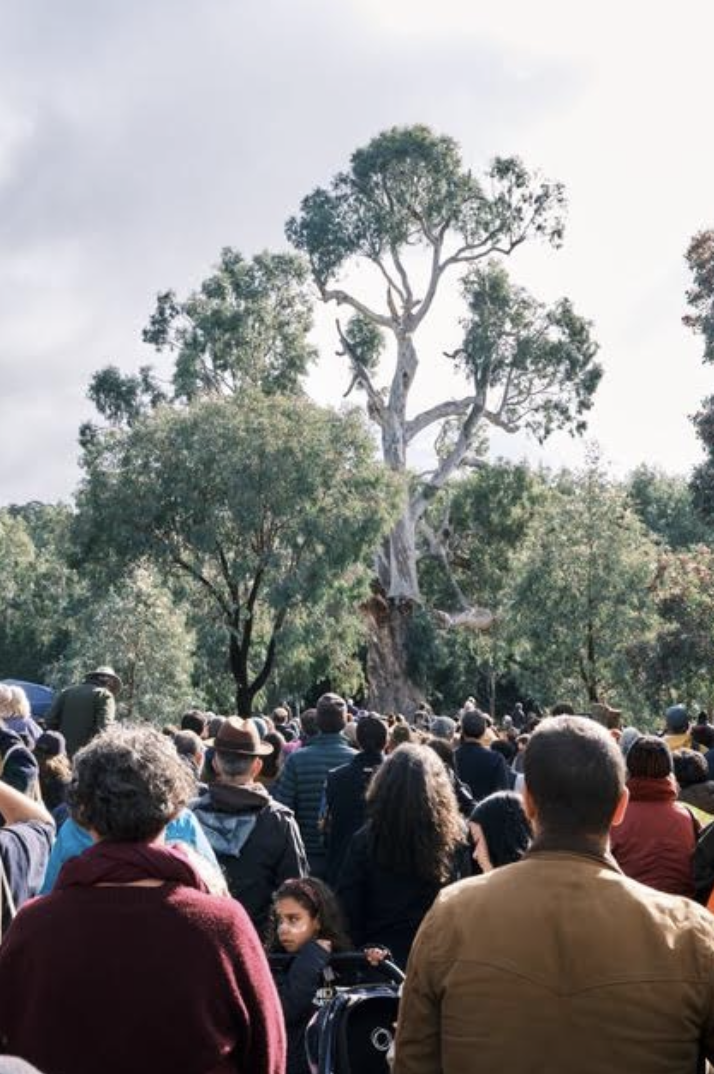
Known locally as the Guildford Big Tree and recognised as the National Trust's 2023 Victorian Tree of the Year, the Biyal is deeply significant to Dja Dja Wurrung People. It predates colonisation, and its grafted branch signifies it as a marker tree.
In February 2024, the Biyal dropped a significant limb. This was a pivotal event for Dja Dja Wurrung People and the broader community.
BIYAL, an initiative of DJAARA's Guildford Biyal Project, is the result of a two-year journey to honour the fallen timber through the creation of art, artefacts and through storytelling.
The Biyal has galvanised community, including through cultural crafting workshops for mob, run by DJAARA Timbers (DJAARA's specialty and cultural timbers initiative), and through DJAARA's Biyal Honouring Day held in May this year.
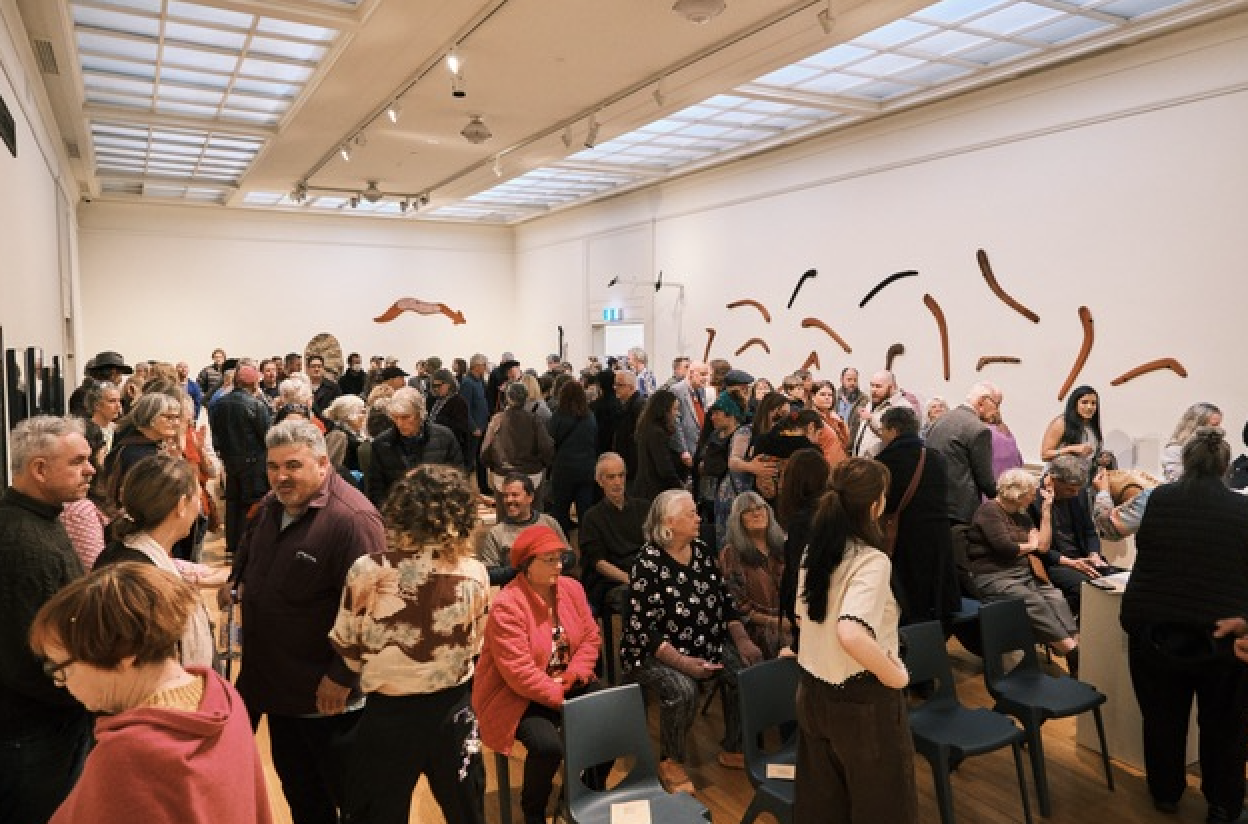
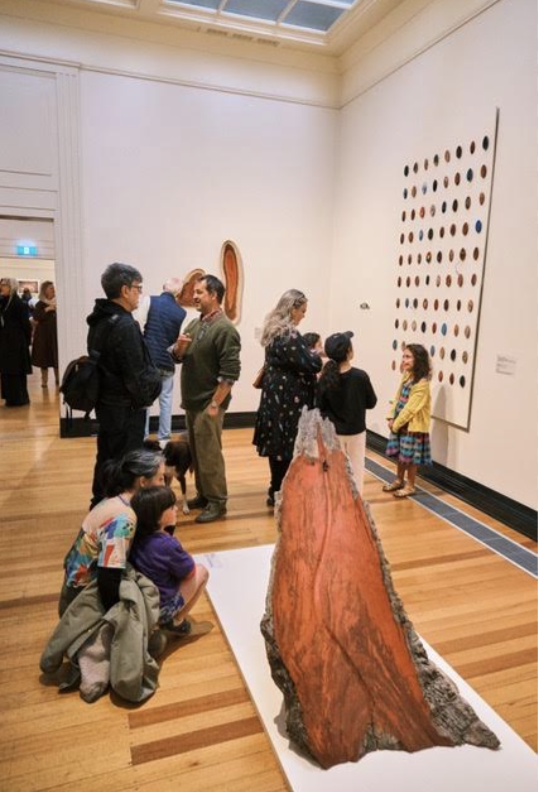
Artists have been commissioned to produce artworks from the timber and inspired by the Biyal for the exhibition, which will also include non-commissioned pieces created by members of the community.
BIYAL intends to honour the ancient tree and its ability to bring connection and healing to Dja Dja Wurrung People, mob living on Djandak (Dja Dja Wurrung Country), and the broader community.
Dja Dja Wurrung Group chief executive officer Cassandra Lewis said the exhibition reflects what happens when Traditional Owners are empowered to determine the way cultural resources are honoured and shared.
"Dja Dja Wurrung People have a cultural responsibility to honour the resources given by Djandak (Dja Dja Wurrung Country), and that responsibility has shaped every decision we have made about the timber given by the Biyal," Ms Lewis said.
"We are proud of what has been created in good spirit, with respect to our Ancestors and the significance they placed on this tree by turning it into a cultural marker.
"The tree has brought people together for hundreds of years, and BIYAL continues that legacy, so we are proud to share this work with the community."
Dja Dja Wurrung woman Kerri Douglas, one of the first on the scene after the limb fell, and part of the Guildford Biyal Project team, said that despite the devastation of the moment, she knew the community would come together to honour a tree that holds something for everyone.
"To see that Djaara have shared this with other mob, and our friends and allies in the community has bought some great discussions about how we are connected and have much love for the Biyal," she said.
"I look forward to seeing the magnificence of the artworks created, from the smallest darnuk (coolamon) to the largest pieces - as each has a story of the Biyal."
Castlemaine Art Museum chief executive officer Leslie Gurusinghe said CAM is fortunate to work alongside DJAARA to host such a significant exhibition for the First Nations community on Dja Dja Wurrung Country.
"To stand as a meeting place, a place for reflection and a space for learning, these are all things that we value deeply and are at the core of our offering as a gallery," Mr Gurusinghe said.
"So much time and energy has been poured into this work from all corners of the community - we hope that you will join us over the course of the exhibition and leave with a sense of the generosity that has been shared here in honour of this very special landmark tree."
BIYAL is exhibited across the Witchell and Higgins galleries at Castlemaine Art Museum.
DJAARA thanks the Museum for their partnership and dedication in bringing this work to the community and for walking alongside us in this journey.
BIYAL has been made possible with support from Regional Arts Victoria and the National Indigenous Australians Agency (NIAA).
The exhibition is free and open to all, from Saturday the 22nd of August until Sunday the 29th of November 2026 at Castlemaine Art Museum, 14 Lyttleton St, Castlemaine.
For more fashion, arts, culture and lifestyle news subscribe for free to the Style Up newsletter.



