



In anticipation of Reconciliation Week, Hearing Australia has unveiled a significant advancement aimed at enhancing the hearing well-being of Indigenous people.
Through groundbreaking work, the organisation has joined forces with three aboriginal health organisations to revamp the approach to providing hearing services, ensuring they are better tailored to meet the unique requirements of each community.
This collaboration marks a historic milestone, signifying the first ever close partnership between Hearing Australia and Aboriginal health services in improving the delivery of the crucial services.
Over the past six months, Hearing Australia has been collaborating with the Orange Aboriginal Medical Service (OAMS), the Coonamble Aboriginal Health Service (CAHS) and the Katherine West Health Board (KWHB) to help review the provision of hearing services.
This endeavor hit a significant milestone recently as four-year Shared Hearing Services Partnership Agreements were officially signed with OAMS and CAHS.
The agreements signify a commitment to enhance the effectiveness of hearing services within their respective communities.
Managing Director of Hearing Australia Kim Terrell said: "We are pleased to announce this significant step."
"We currently work with more than 100 Aboriginal community-controlled health services and will provide hearing services to some 25,000 First Nations children and adults this financial year," she said.
"But we need to improve the hearing health outcomes for First Nations peoples and through these partnerships, we're looking forward to collaborating with more local services as we roll the model out across the country."
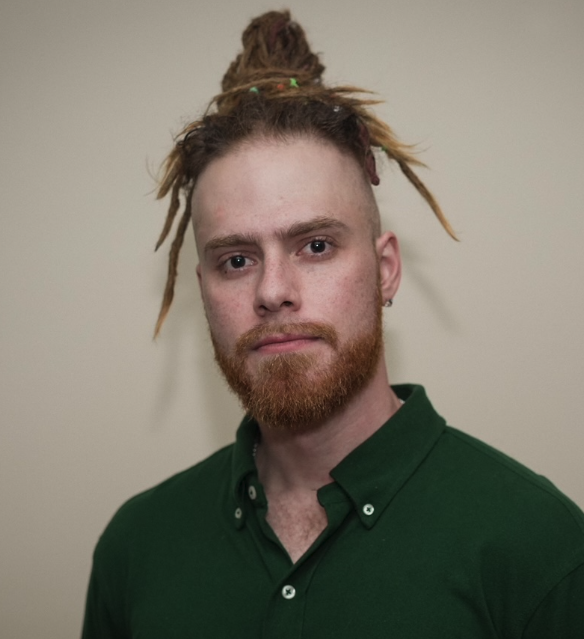
OAMS chief executive Jamie Newman said the focus of the Shared Hearing Services Partnership is on working together to deliver the care First Nations people want and need.
"We're in a period of change and need to lead that change if we're going to see better health outcomes for our mob," he said.
"Our people need consistent healthcare, and through this partnership and our ongoing relationship with Hearing Australia, we have a great opportunity to work closely together to improve access to hearing health that will benefit our people today and future generations."
Ms Terrell said: "It's not about what we can do for the community, it's about what the community and local services need from us. And it's so Aboriginal and Torres Strait Islander people can really start to experience better health outcomes over time, for which we are all responsible."
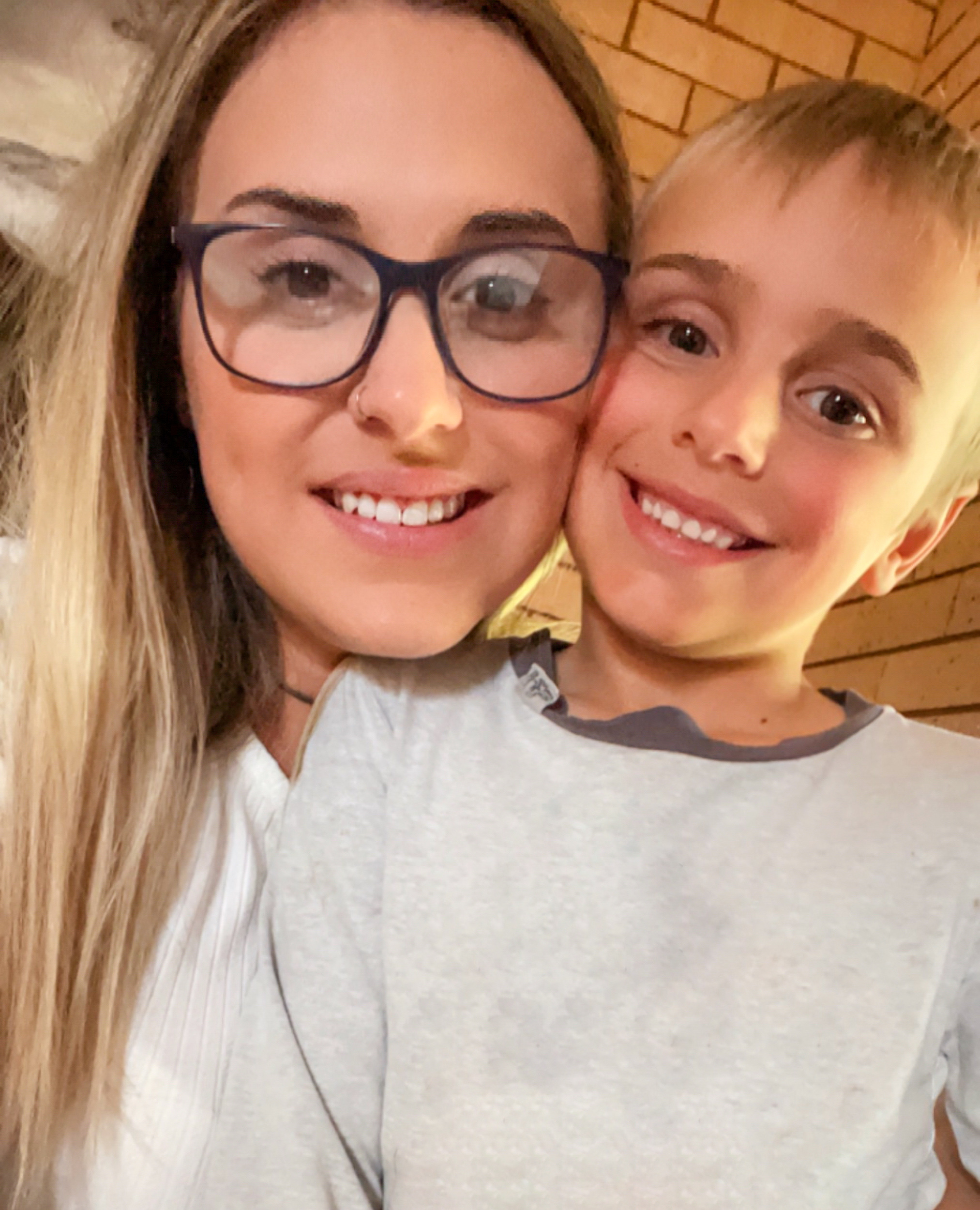
OAMS Aboriginal Health Practitioner Lead Chloe Thompson is also supportive of the new approach.
"We both have the same goal in mind and that's to improve ear and hearing health for Aboriginal and Torres Strait Islander people," she said.
"At present, there are 19 socio-economic Close the Gap targets for our people. Ear and hearing health is absolutely at the core of those."
During her hearing health training, Ms Thompson tested her children's hearing and found a concerning result in her six-year-old son, Beau. As a result, she promptly booked an appointment with Hearing Australia.
"The audiologist at Hearing Australia confirmed that he had moderate hearing loss, and he was very quickly fitted with a hearing device, which helped to improve his hearing until getting grommets," she said.
"My son now has normal hearing, and because of the support he received early, developmentally he at least has a chance of catching up to his peers.
"I'm so grateful that we were able to get the help he needed. Regardless of whether you think your child is having hearing trouble or not, it's important to get their hearing checked regularly."
People can access the First Nations Support Line by calling 134 432 and selecting 'Option 4', or by emailing [email protected].
It's available Monday-Friday from 8.30am-5pm AEST.



