



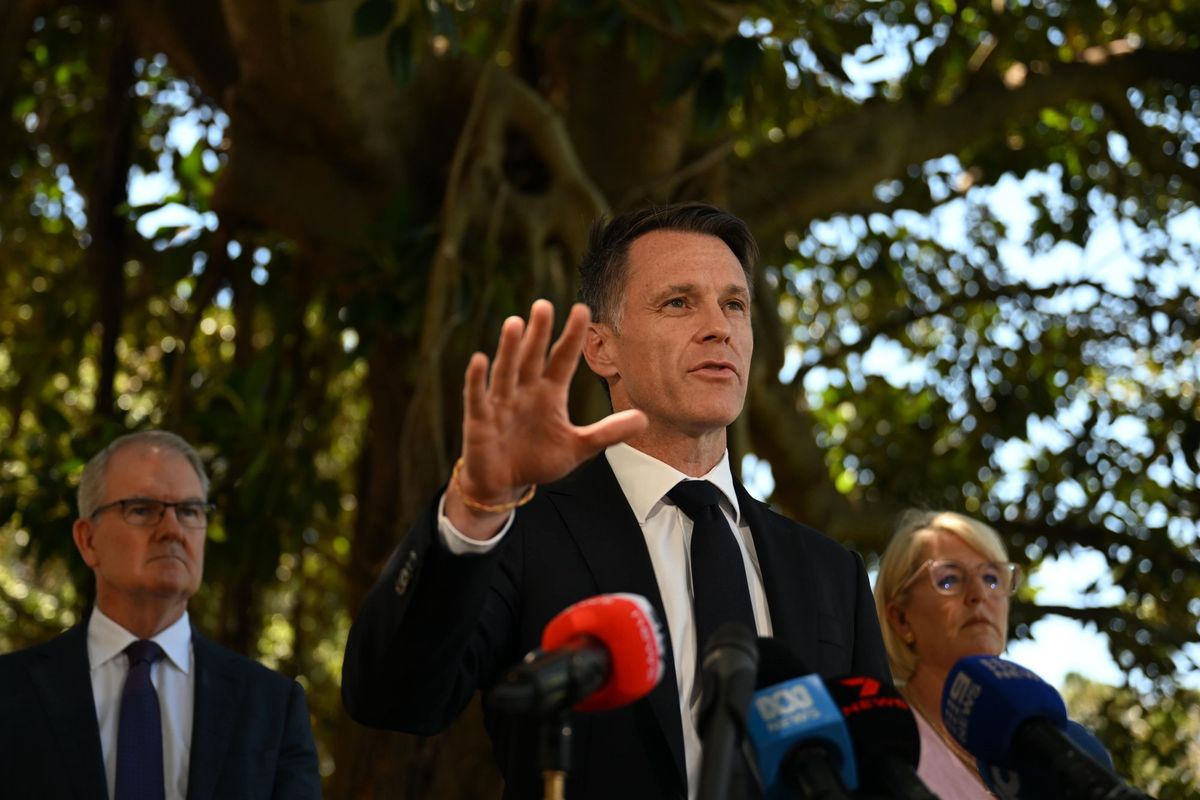
New South Wales Premier Chris Minns says the state's newly passed protest laws will not affect rallies planned for January 26.
The legislation was introduced and rushed through parliament this week following the antisemitic terrorist attack at Bondi Beach on December 14, which killed 15 innocent people. The "urgent" measures tighten restrictions on protests and give police the power to impose a blanket ban on public assemblies for up to three months after a terrorism incident.
The laws have drawn criticism from Indigenous organisations, including the Aboriginal Legal Service (ALS) NSW/ACT and the Blak Caucus, who say they are concerned the legislation risks suppressing First Nations voices.
They raised particular concerns about the potential impact on annual Invasion Day/Survival Day protests on January 26, as well as rallies marking the 10th anniversary of the death in custody of David Dungay Jr.
Since the 1938 Day of Mourning, January 26 has been observed as a day of protest and solidarity for First Peoples and regularly attracts large crowds across the country, the ALS said this week.
View this post on Instagram
On Wednesday, Mr Minns sought to allay those concerns. While maintaining the new measures are necessary to protect the public during periods of heightened risk, he said they would not prevent January 26 protests from going ahead.
"Obviously, assemblies like that can take place," the Premier said.
"It's just ... marches through the city through a form 1, which I understand hasn't traditionally been part of that protest.
"In any event, if it were the case that the police commissioner made that designation, [people] will obviously have to abide by the laws of the land."
Earlier this week, the ALS warned the legislation posed a serious threat to democratic rights. Principal Legal Officer Nadine Miles said, "The right to protest is a cornerstone of a functioning democracy. Aboriginal deaths in custody and the incarceration of Aboriginal people are at record highs, both in NSW and nationally."
"This is a time of crisis for the communities we serve. It is a time to come together and unite for change, not to risk silencing the voices of Aboriginal people," she said.
Three activist groups — Palestine Action Group Sydney, Jews Against the Occupation 48 and the Blak Caucus — have said they will launch an appeal, likely in the High Court, once the legislation comes into force. They argue the laws will prevent peaceful assembly and have labelled them "undemocratic".
The First Nations-led Blak Caucus said it is especially concerned about the effect of the laws on upcoming Invasion Day rallies.
"It's absolutely appalling," representative Lizzie Jarrett said, as reported by the ABC.
"It would really be a kick in the face to this conversation that the government keeps having with us about reconciliation, closing the gap, and putting the realities of First Nations people on the table."
Mr Minns said the laws, which also introduce tougher gun restrictions, are aimed at ensuring public safety.
"And I don't resile from the fact at all that in these circumstances of heightened tensions, words can lead to actions," he said.
"And I think the vast majority of Australians that live in NSW support us in relation to these changes. I also note that there's similar legislation being drafted in Victoria."



