



The peak representative for the health and wellbeing of Aboriginal people in Victoria is calling for urgent change after a coroner's report into the death of a 17-year-old Indigenous girl in out-of-home care found the child protection system was struggling with systemic racism.
Last week, Coroner Simon McGregor found the Wemba Wemba girl, known by the pseudonym XY, had her human rights breached prior to taking her own life in Bendigo in 2021, having reached out for connection to her Aboriginal culture and heritage, only to be ignored.
At the time of her death, she was in the care of Victoria's Department of Fairness, Families and Housing (DFFH) and living in an Anglicare-run residential unit.
The Victorian Aboriginal Community Controlled Health Organisation's (VACCHO) Balit Durn Durn Centre, which ensures culturally safe social and emotional wellbeing (SEWB) services, said the "severe impacts" of the tragic loss were only exacerbated by multiple risk factors.
These include stigma, intergenerational trauma, ongoing grieving and Sorry Business, racism, social disadvantage, and exclusion.
"These risk factors significantly jeopardise the social and emotional health and wellbeing of Aboriginal Communities," the Balit Durn Durn centre said in a statement.
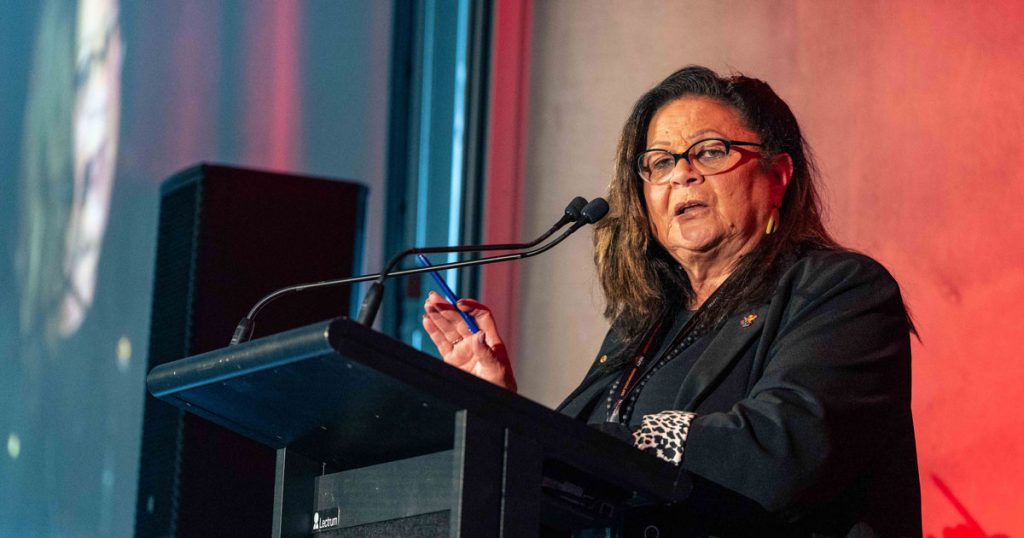
VACCHO chief executive Jill Gallagher said XY was "failed by the systems that were supposed to protect and care for her".
"This woman is yet another young Aboriginal person who has fallen through the cracks of a fractured, siloed and unsafe system, that continues to have disproportionate and lasting impacts on our young people and communities," she said.
Highlighting data that showed Indigenous children were ten times more likely to be placed in out-of-home care (OOHC) that non-Indigenous children, Ms Gallagher stated: "We are witnessing a crisis in this country with the ongoing separation and neglect of Aboriginal families".
Mr McGregor made 17 recommendations in his findings, including that the DFFH and other organisations who provide services to Indigenous people in OOHC review their policies to enhance their capacity to provide culturally connected care; and the DFFH move towards transitioning all First Nations children in the state's child protection system to the care of a ACCO's, recommended by the Yoorrook Justice Commission last year.
He also recommended kinship carers for vulnerable children and young people be better supported by DFFH.
VACCHO said they advocate for "shifting the focus in 'child protection' from solely tertiary measures to prioritising prevention and early intervention, empowering Aboriginal families as a holistic approach".
They called on the Victorian government to establish a ministerial taskforce as part of its suicide prevention strategy.
"This taskforce should be jointly led by VACCHO and the Victorian Government and be driven by Aboriginal and Torres Strait Islander voices," they said.
The organisation also urged the government to deliver funding to help develop initiatives to reduce the rate of deaths by suicide within Aboriginal and Torres Strait islander communities.
"The coroner's findings have demonstrated that the child protection system is completely ill-equipped to support the complex health and wellbeing needs of children and families," Ms Gallagher said.
"It's imperative that we overhaul these systems to prioritise the health and wellbeing of Aboriginal children and families."



