




A decision by the federal government to scrap charges for basic aged care services has been welcomed by the Stolen Generation survivors, who say it "corrects a measure that should never have been considered".
The government this week reversed a controversial decision introduced in November last year which had seen some older Australians paying about $50 an hour for basic care such as showering and getting changed.
Since the policy began, pensioners and self-funded retirees have been paying between five and 50 per cent of in-home support costs out of pocket. For some, the added costs led to reduced bathing or going without other care to afford essential services.
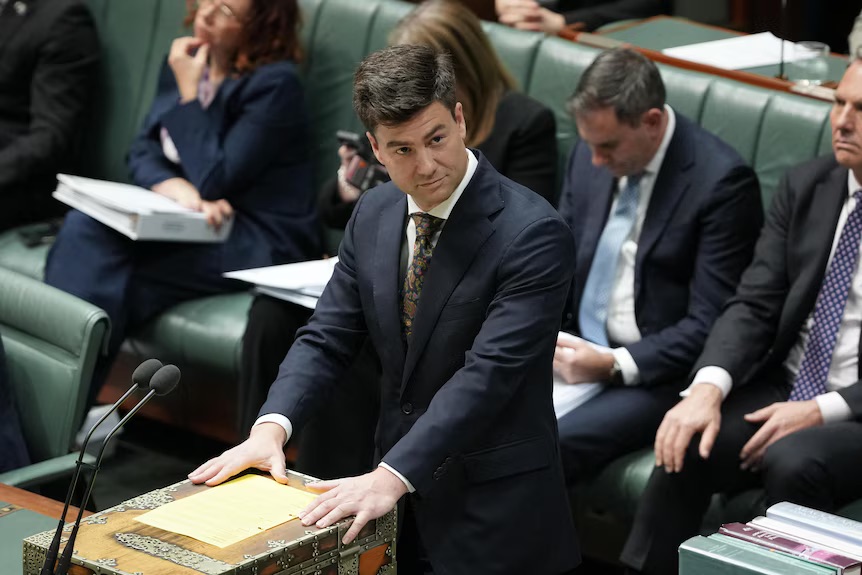
This week, Aged Care Minister Sam Rae conceded "showering, dressing, continence care" are not "optional extras".
"They're the basics of aging with dignity, and no older Australian should miss out because of cost," Mr Rae said. "Older Australians, their families and providers told us these services needed to be protected. We've listened, and we're acting."
In response, the Healing Foundation — which amplifies the voices of Stolen Generations survivors and their families — said the policy reversal was welcome, but the measure should never have been introduced.
"The reversal reduces harm," chair Steve Larkin said, "but original decisions highlight why aged-care policy must be explicitly trauma-informed and culturally safe, not just economically efficient."
The organisation said the changes "undermined ageing Stolen Generations survivors' dignity, trust, and cultural safety at a stage of life when many are already carrying lifelong disadvantages".
"We are talking about essential hygiene," Mr Larkin said.
"Not regularly showering, for example, could risk infection and health issues around bodily health. We cannot force survivors to choose between basic hygiene and other essential needs like food, solely because they can't afford to pay for both."
View this post on Instagram
The foundation says many survivors experience a "gap within the gap" and are far more likely to face financial hardship. While the changes will take effect from October, co-payments for non-clinical care will continue.
They are advocating for a new Aged Care Act which protects the rights and dignity of Stolen Generations survivors, including shielding redress payments from aged care means testing.
Currently, whilst payments under the National Redress Scheme for Institutional Child Sexual Abuse are exempt from means testing, Stolen Generations redress payments are not.
Describing the current arrangement as a "discriminatory measure" that undermines survivors' safety, Mr Larkin said the issue was not about cost.
Rather, he said, it concerns people's "dignity, autonomy and whether systems designed to support them late in life truly understand the historical harms they carry".
"If survivors are unable to afford these services," he said. "There is a real risk they may disengage altogether from aged care services, increasing health risks and social isolation — particularly for those already wary of institutional settings and experiencing much higher levels of disadvantage than most other Australians."



