




A statement of Māori history, identity and pride flying above can be the seed for wellbeing and inclusivity in Aotearoa, for generations to come, an organiser behind new movement picking up momentum says.
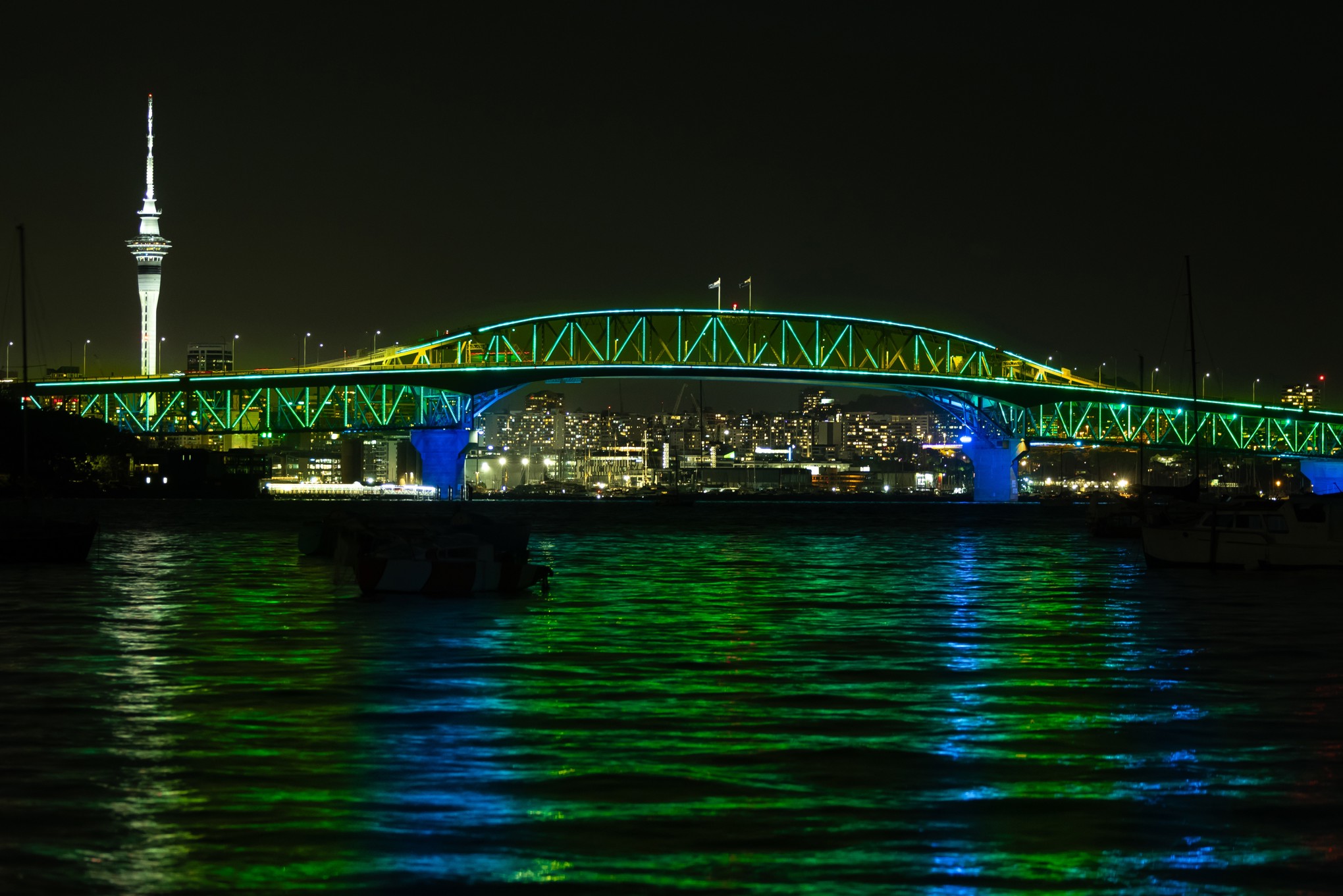
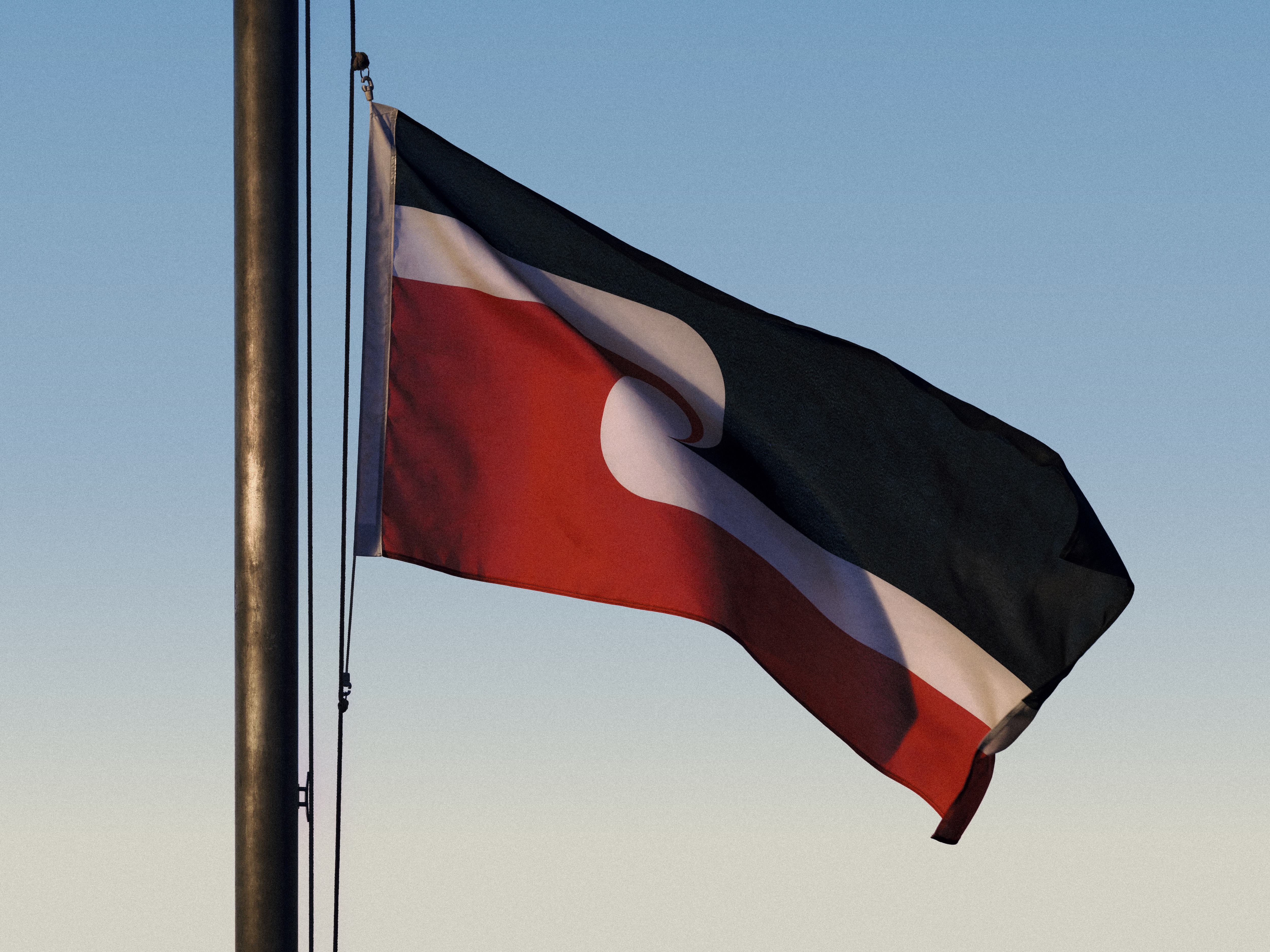
On Waitagni Day each year, the annual commemoration celebrating the nation's founding Treaty document on February 6, the Tino Rangatiratanga flag (Māori flag) waves above Auckland's (Tāmaki Makaurau) Harbour Bridge.
When the sun rises the following day, the blue, white and red New Zealand flag stands alone.
As of Thursday, over 17,000 people have signed a petition to see the Tino Rangatiratanga flag take year-round permanent place.
"Why does it come down and not stay up? That is the question that is at the front of a lot of our minds," Awerangi Tamihere told National Indigenous Times.
Ms Tamihere is organising 'The Flag Poll' campaign, and chief operating officer at Whānau Ora Commissioning Agency, a national Māori-led, whānau-centred social services and health organisation.
In a "mature nation" there's space for the two flags to fly together, year-round, she said, and beyond the present, the change would set a foundation for building this maturity for future.
The petition has the aim to reach 80,000 signatures by Waitangi Day in just over three months' time.
In a week, they're a quarter of the way there.
Unity is central to the movement.
Per Māori cultural protocol, the petition is planned to be handed to the incumbent Transport Minister, yet to be confirmed with Aotearoa's General Election taking place on November 7.
The Tino Rangatiratanga flag was created in 1989, ahead of the 150th anniversary of the signing of the Treaty of Waitangi in 1840.
Linda Munn designed it with the late Hiraina Marsden and the late Jan Dobson.
"When we designed the flag 38 years ago, it was about having our own unique symbol that reflected who we are as Māori," Munn said.
View this post on Instagram
This meaning carries on for Kaha Hawkins.
"It's important to show the flag, because in the old days people got punished for speaking Māori and showing that they were Māori," he said.
"Doing this now shows that the past cannot stop us - we are like a river, we keep pushing even through the hard times."
Mr Hawkins, 14, is student at Tāmaki Makaurau boys' school Tīpene / St Stephen's.
The school has predominantly been a boarding school for Māori and Pasikifa students.
It was 2010 when the Tino Rangatiratanga flag was raised on the Harbour Bridge for the first time, a year on then-prime minister John Key officially recognising it as the national Māori flag.
In 2022, the Aboriginal flag established its permanent place on the Sydney Harbour Bridge.
The NSW government committed millions to works for its ongoing presence, with then-premier Dominic Perrottet labelling it a "unifying change".
Campaigning for this, however, stretched back years.
Kamilaroi woman Cheree Toka's campaign raised close to 180,000 signatures from 2017.
"Personally, it's important to me so my children can grow up feeling safe and cultured in their own country, and for my family to be proud of who they are. And for the people of Australia to know about the true ancestral history of the country they call home," Ms Toka said previously, per Fund the Flag.
"My hope is that this statement will spark real debate about the issues Indigenous people in this country face every day, such as deaths in custody, racism, and acceptance."
Toka, and supporter's, eventual success is credited by the 'Flag Poll' in Aotearoa.
"We acknowledge our Indigenous brothers and sisters in Australia," Ms Tamihere said, in spurring an Indigenous movement, for Aotearoa, for First Peoples across the world, and "setting the benchmark".

"(Showing) It is not something that seems impossible, like a dream...we all see this as a wonderful beginning of an Indigenous movement continuing to build on what you have built over there — and pride in who we are, there's a place for both flags, and we can do this right across the world."
When the advocacy started in Sydney, the thought it could inspire other First Peoples wasn't one Ms Toka had considered, but one she wants to see succeed.
"Even now, every time I cross the Sydney Harbour Bridge and see our flag flying, I can't help but smile and tear up at the same time. After spending so many years imagining what it would look like, it's now right there in front of me, flying proudly for the whole world to see. And what makes me happiest is knowing it will still be there tomorrow, the next day and for generations to come," Ms Toka said this week.
"I never imagined when I started my campaign that what we achieved in Sydney might one day inspire people across the Tasman to fight for that same recognition.
"Our flags mean so much more to us than what people might see when they look at them, in fact they represent our people, our history and those who fought so hard before us. My hope is that it won't be long before Māori people are crossing the Auckland Harbour Bridge and looking up at their flag flying proudly, just as Aboriginal people can now do here in Sydney."
With public support being shown, Ms Tamihere said the campaign has become a catalyst for conversation.
It's a statement for Auckland, the largest Polynesian and Pasifika city in the world, and for Aotearoa across the world, showing "our pride, our identity, our history does count", she added.
The Harbour Bridge in its largest city is a national landmark
This is the reason behind it.
Ms Tamiheri outlined research that has shown this cultural identity, recognition and inclusion, demonstrates as a key indicator for wellbeing.
The Flag Poll campaign is also encouraging people to fly the Tino Rangatiratanga flag across the entire motu (country, land or nation) with 20,000 flags to be released nationally.



