




The identity of the Indigenous artist behind a series of bark paintings has been uncovered, 100 years after the artwork was collected.
A research team led by Griffith University alongside team members from the University of Adelaide and the University of Western Australia led to the discovery.
Professor Paul Tacon from the Griffith Centre for Social and Cultural Research led the team and worked with Aboriginal community members from Arnhem Land, to investigate the art collections of of British anthropologist W. Baldwin Spencer and buffalo-shooter Paddy Cahill.
One of the community members who worked on the investigation was Traditional Owner and archaeological researcher Kenneth Mangiru.
From 1912 Spencer and Cahill had collected a series of 163 bark paintings by artists who also painted in rock shelters in western Arnhem Land.
After investigating notebooks and letters linked with the collection, Professor Tacon said he noticed references made to an 'Old Harry' and a bark painting with the crocodile spirit.
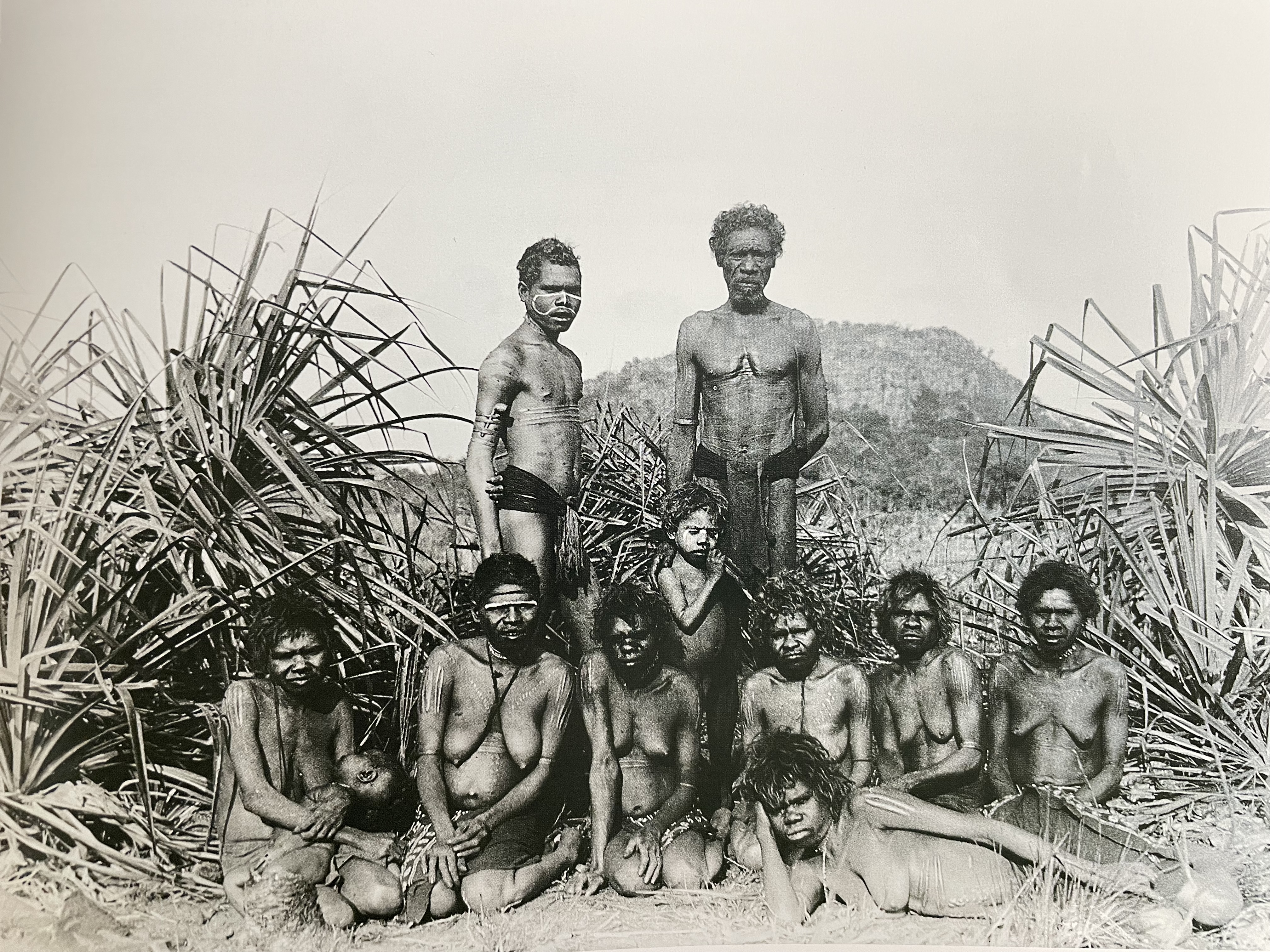
"By scouring old ethnographic records and constructing genealogies we realised Old Harry's Aboriginal name was Majumbu, someone who also made rock paintings," Professor Tacon said.
"We analysed Majumbu's characteristic art style from the known spirit painting and then looked for evidence of the same features in the rest of the collection, identifying a further seven paintings."
However, Majumbu being uncovered as Old Harry was not the only discovery as Mangiru uncovered the artist behind the paintings were in fact Majumbu, his own great grandfather.
"Kenneth Mangiru is a co-author of our paper and I've been working with him since 1992," Professor Tacon said.
"And through all this detective work we discovered it was Majumbu who made all these bark paintings as well as paintings in shelters near Gunbalanya.
"And that it was Kenneth's great grandfather so that was a real happy surprise for everyone."
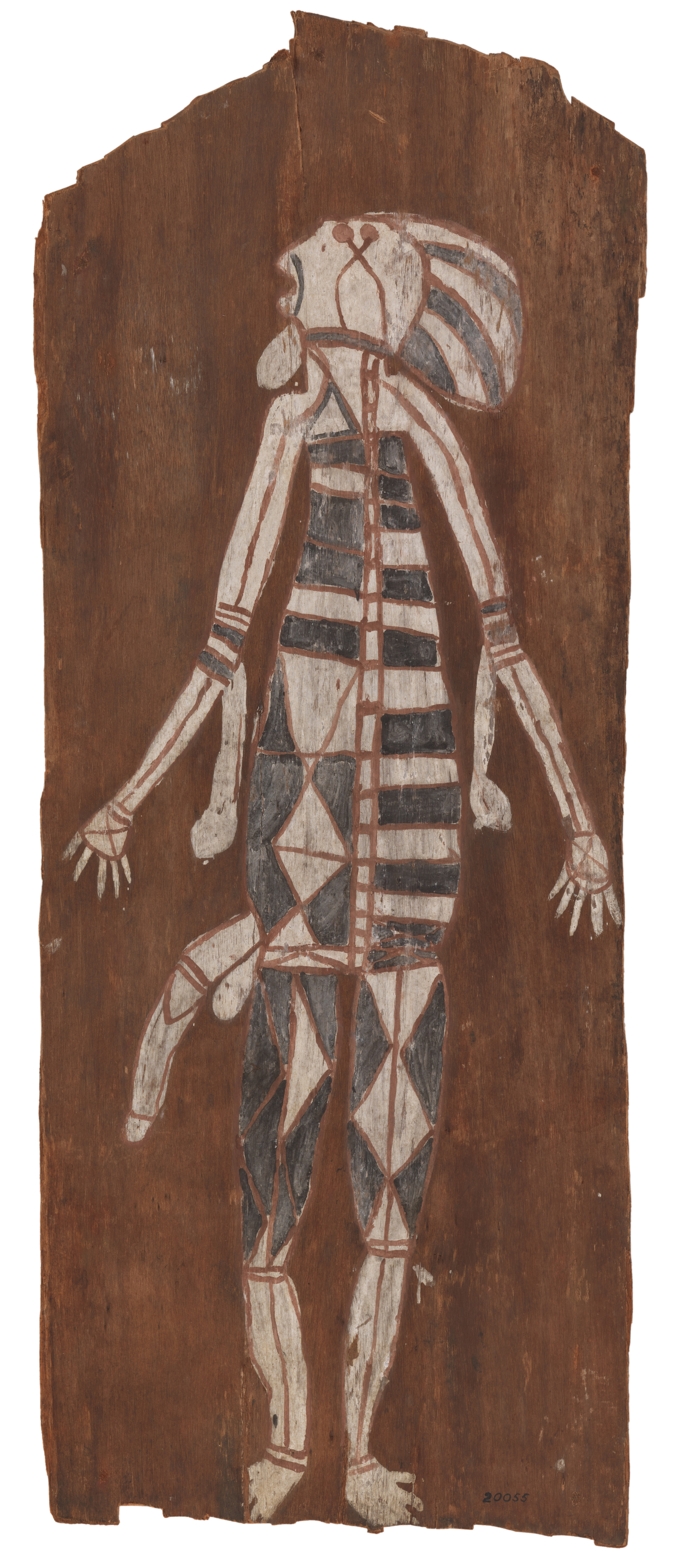
Many signs pointed to Majumbu being Old Harry. One of the largest paintings in the collection by Majumbu is of a crocodile measuring 2.94m x 1.03m which is almost identical to a rock painting by Majumbu in a rock shelter where his family regularly camped.
Professor Tacon said the discovery was not only one for the Australian history books but also for the Mangiru family history books.
"This collection has always been considered to be of extreme importance to Australia's heritage but now it's become really important as family heritage," he said.
"These aren't random artworks made by anonymous individuals anymore. They are incredible paintings made by people who had fascinating lives that we can now learn more about."
The research from this discover has been published in Australian Archaeology.



