



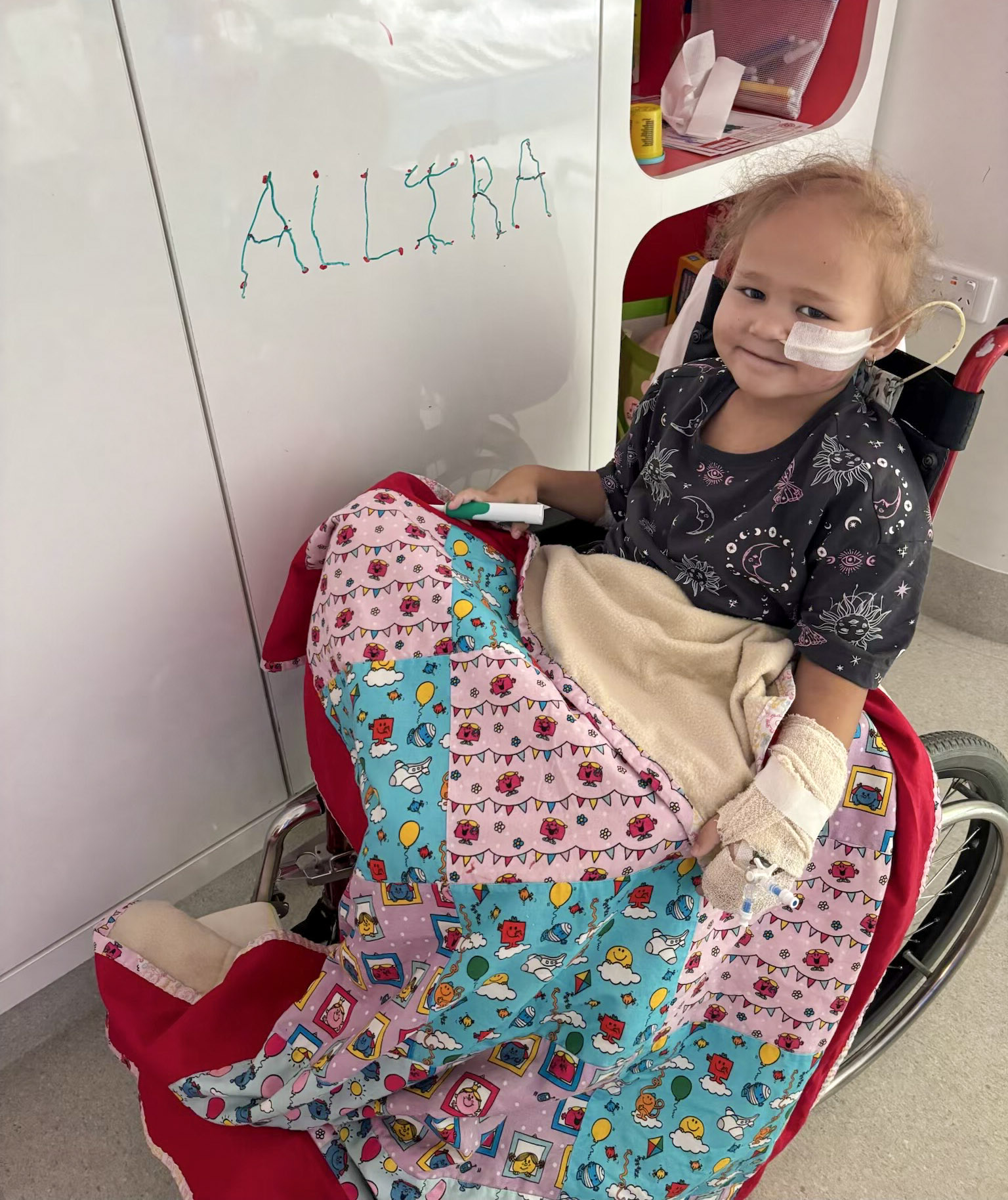
By the time five-year-old leukaemia patient Allira Indich reaches the top of the eight flights of stairs, she is faint, flushed and in pain.
The climb is unavoidable.
It is the daily return to a rental flat in Mirrabooka — a unit with no air-conditioning and poor ventilation — a place her oncologists warn is dangerous for a child undergoing cancer treatment.
In recent months, Allira has rarely been able to stay at home for more than two days at a time.
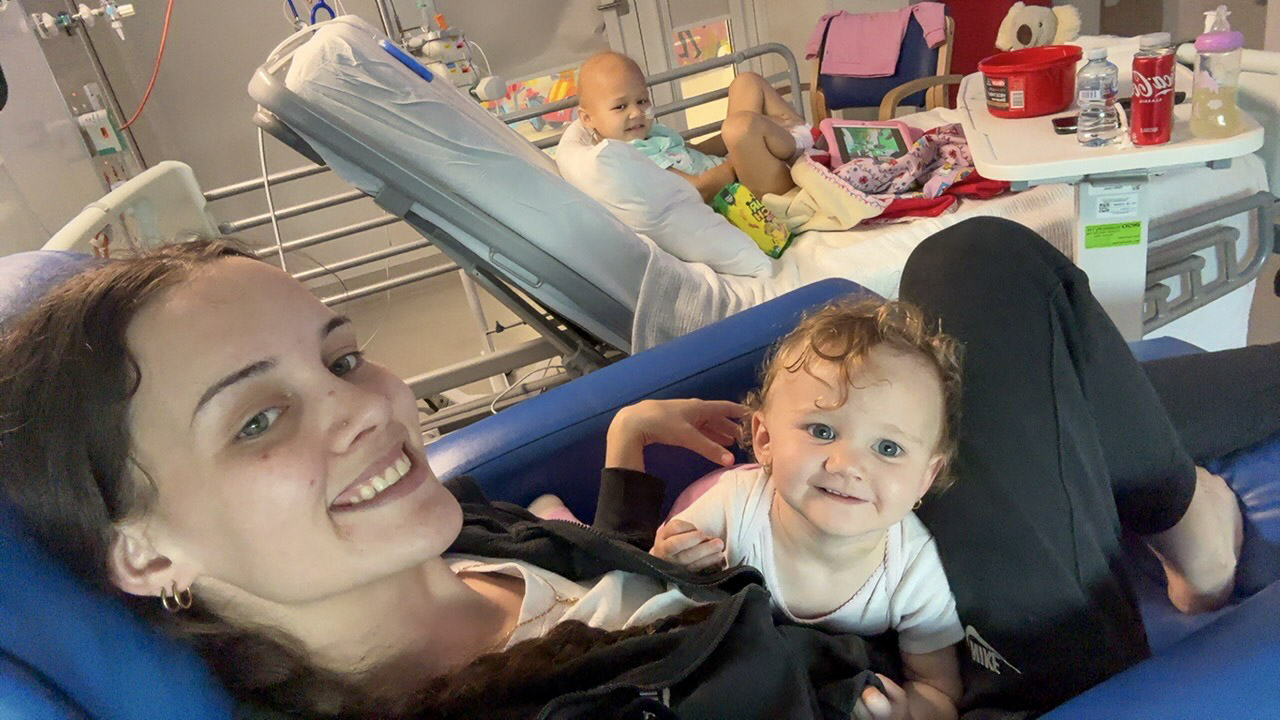
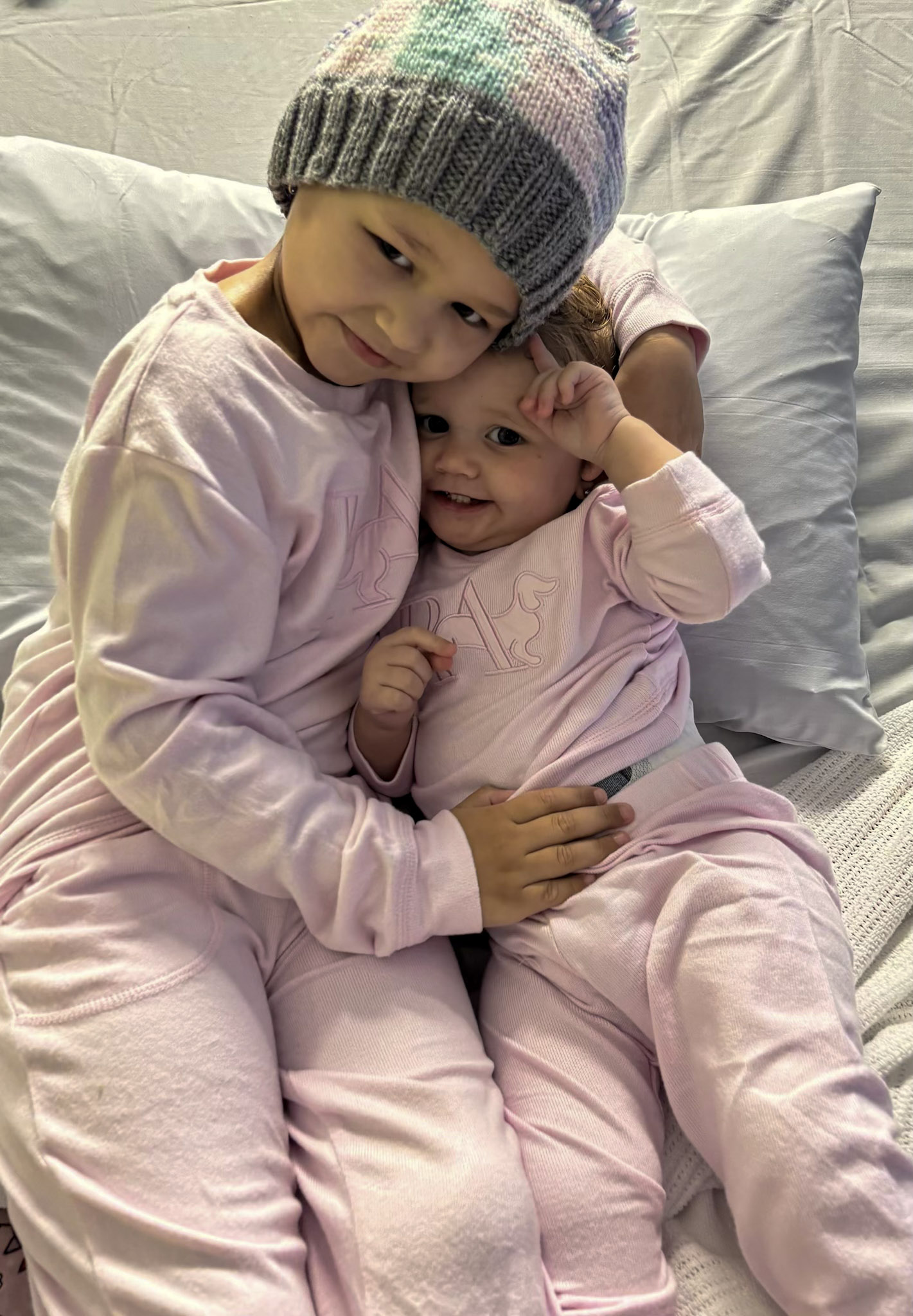
Her mother, Justice Bourke — a 22-year-old proud Noongar woman and single parent raising Allira and her 18-month-old sister — says the unit's poor ventilation repeatedly triggers fevers.
"There is no air-conditioning whatsoever, and every time we go home from hospital, we're back there within two days because she has a fever," Ms Bourke said.
Allira was diagnosed with leukaemia in January.
Since then, her oncologists have repeatedly advised that she requires a healthier living environment and should be prioritised on the Housing Department's waiting list.
That advice has been communicated in multiple letters sent since February by DayDawn Advocacy to the Department of Housing and Works, the Mirrabooka housing office, the Department of Communities, and Housing Minister John Carey.
The responses were consistent: Ms Bourke remained on the waiting list and would be contacted if a suitable property became available.
In October, Ms Bourke was confronted with an impossible reality.
As a single parent caring for her seriously ill child at Perth Children's Hospital while raising a toddler, Ms Bourke was told the Mirrabooka unit was being sold and that she would be required to vacate; leaving her facing homelessness at the height of Allira's illness.
Dr Betsy Buchanan, an Aboriginal housing advocate with DayDawn Advocacy, wrote to the Department of Housing and Works outlining the severity of Ms Bourke's situation.
The department responded that while it acknowledged Ms Bourke's circumstances, it was unable to further prioritise her application.
"Ms Bourke remains on the priority waiting list for three-bedroom family accommodation in the North Central zone," the response said.
"Unfortunately, a timeframe for when an offer of accommodation may be made cannot be provided."
Dr Buchanan then contacted Consumer Protection on Ms Bourke's behalf, securing a three-month extension of the Mirrabooka unit.
It was a brief reprieve, but the home itself remained unsafe for a child undergoing cancer treatment.
The memory of a severe health episode continues to shadow every fever.
"Every time she gets a fever, her blood counts go down, and we have to wait for them to go back up," Ms Bourke said.
"During her first round of chemo, she had a really bad infection. Her blood counts dropped and she ended up in ICU. Since then, we've had to take precautions."
When paediatrician and epidemiologist Dr Fiona Stanley learned of Ms Bourke and Allira's situation, she intervened immediately.
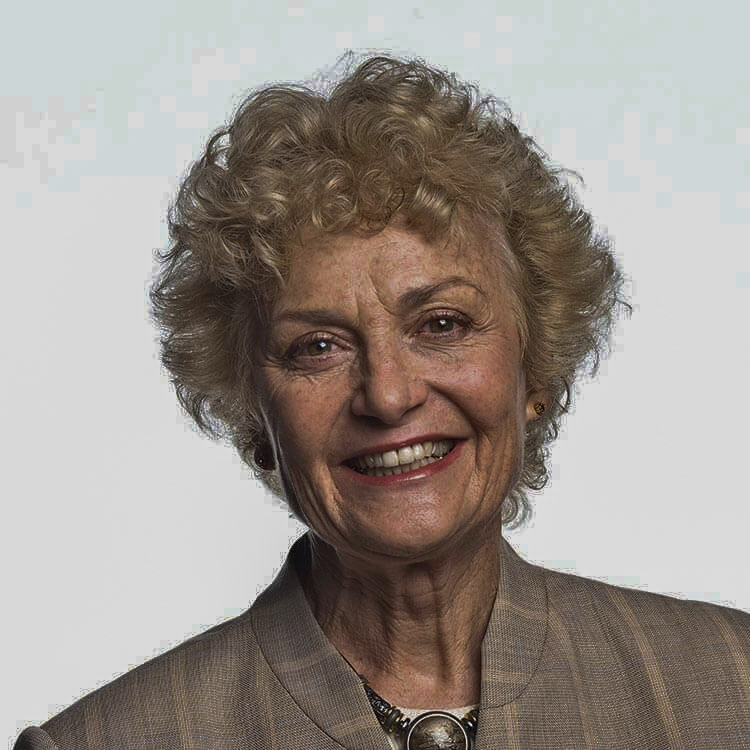
She advocated for the family to be housed temporarily through the hospital, saying air-conditioning and appropriate access would significantly reduce Allira's risk of infection during treatment.
The accommodation, however, was only available for a few months.
"You need to avoid anything that could give a little girl on cancer treatment an infection, because that is lethal," Dr Stanley told National Indigenous Times.
She said her concern extended beyond the medical risks facing Allira to the toll the housing situation was taking on the young family.
"Healthy housing is so important to mental health," she said. "You need a place where you feel safe; where your children are okay."
Ms Bourke does not cry in front of her children.
"I try and keep it all together," she said, pausing before she broke down.
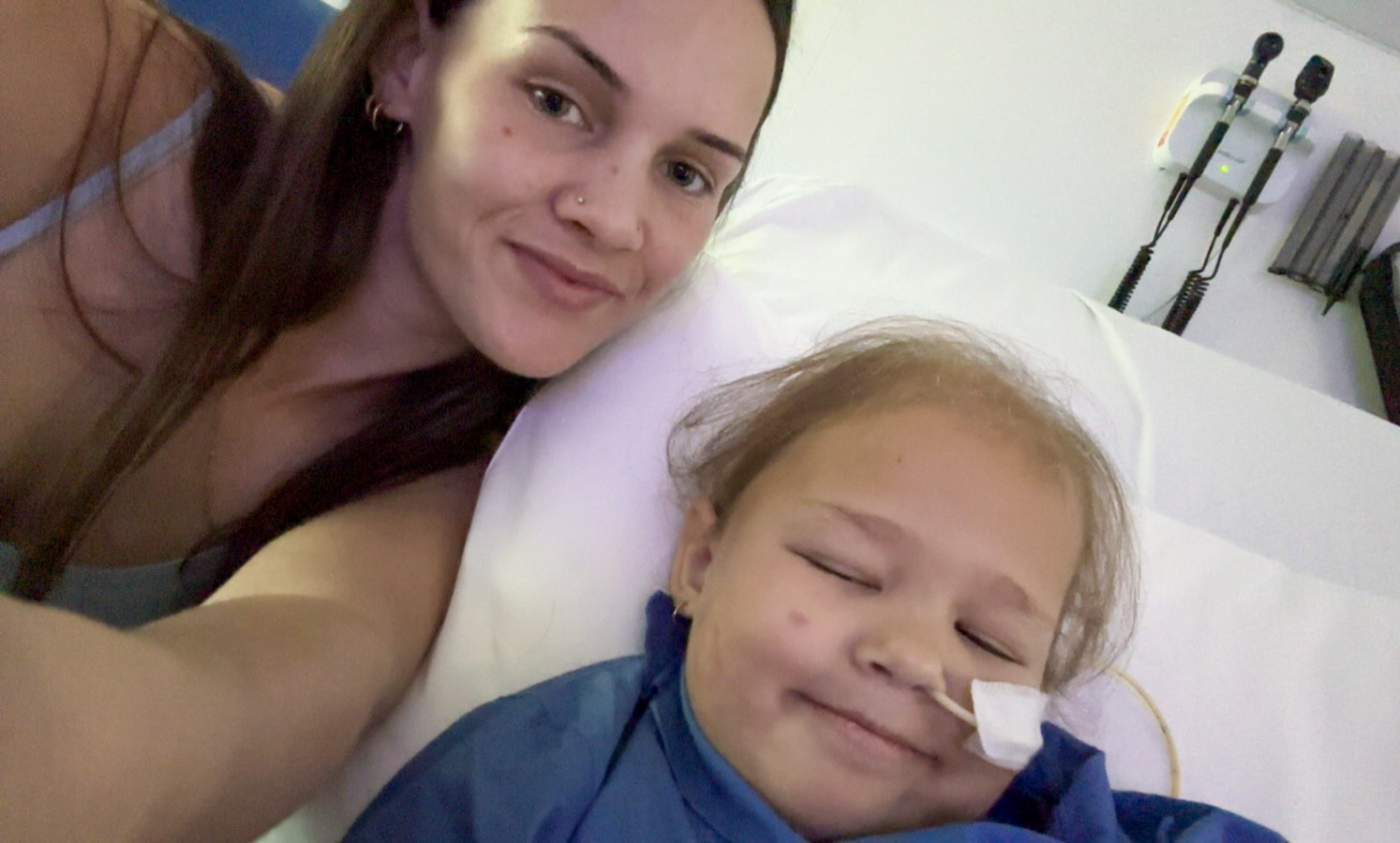
"I'm stressed all the time. I keep everything in. I don't tell anyone. I always have a smile on my face for my children, but it's hard."
Dr Stanley said the failure to secure appropriate housing raised broader concerns about systemic bias.
"My anxiety is that the public housing system in Western Australia is racist," she said.
"There is a bias against Aboriginal people."
Dr Stanley also raised concerns about Western Australia's reliance on outsourced housing maintenance, warning that delays in repairs have had serious consequences for vulnerable tenants, including patients with complex health needs.
Those concerns are reflected in findings from the Western Australian Auditor General, which examined the state's public housing maintenance system this year.
The audit found that public housing maintenance costs have increased by about 44 per cent since 2019, within a system heavily dependent on private contractors, including Lake Maintenance.
It also found that insufficient construction of new public housing has contributed to ongoing shortages, limiting the number of homes available for allocation even as demand continues to rise.
A Department of House and Works spokesperson told National Indigenous Times the Department is "sympathetic to Ms Bourke's complex situation"
"However, all applicants on the priority waiting list have demonstrated an urgent need for housing. DHW strives to accommodate all applicants at the earliest possible opportunity and will contact Ms Bourke as soon as a suitable property becomes available," they said.
"All housing maintenance is delivered under a priority-based model, with response times determined by urgency and risk.The Department is subject to annual independent oversight by the Office of the Auditor General," the spokesperson said.
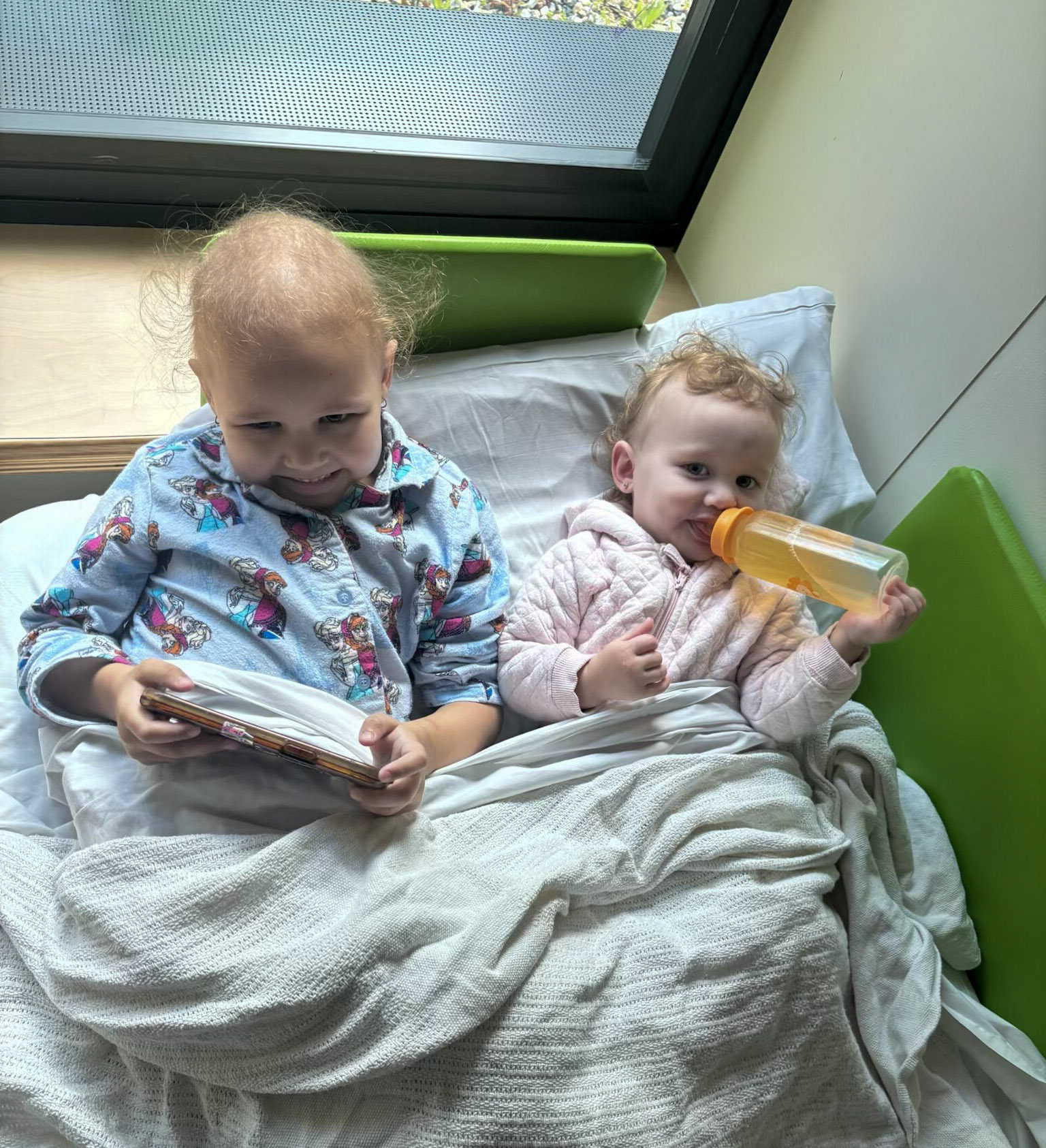
For now, Ms Bourke and her daughters are living in housing that is finally safe.
But the relief is temporary.
She lives under the constant pressure of not knowing when she will have a permanent home — a place where her child can continue to fight leukaemia without getting sick from the house meant to protect her.



