




WARNING: Aboriginal and Torres Strait Islander readers are advised the following article contains the name of an Indigenous person who has died.
The federal government's Indigenous children's commissioner has criticised the way a report into the Northern Territory's child protection department's conduct in the lead-up to the alleged murder of Kumanjayi Little Baby treats the five-year-old's mother.
Led by former New South Wales Police Commissioner Karen Webb and long-time senior NT public servant Greg Shanahan, and tabled in NT Parliament on Tuesday, the report found extensive failings within the Department of Children and Families (DCF) and called for a reset of its functions.
It was commissioned in the wake of the death of five-year-old Kumanjayi Little Baby, who disappeared from the Old Timers Town Camp outside Mparntwe/Alice Springs on April 25. Her body was found five days later, after she was allegedly abducted and murdered by Jefferson Lewis, 47.
Mr Lewis has not entered a plea and is being held in custody.
Commissioner raises concerns over treatment of mother
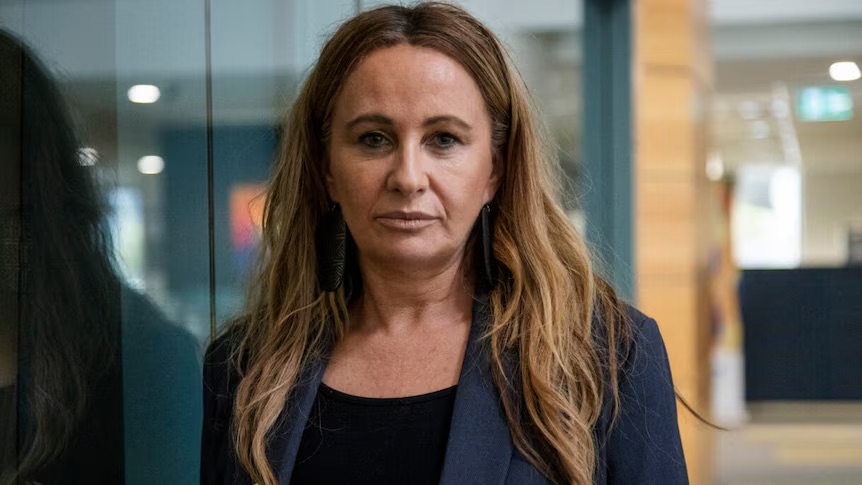
In a statement on Thursday, the National Commissioner for Aboriginal and Torres Strait Islander Children and Young People, Sue-Anne Hunter, said she was "deeply concerned" about how the report treated Kumanjayi Little Baby's mother.
"A woman who experienced violence, and who spoke up about it, has had the most personal parts of her life set out in a public document," she said. "No woman should have to read her own history of violence in a government report, and no woman who seeks help should fear that this is the price of asking."
The Webb-Shanahan report outlined 45 recommendations — all accepted by the NT Government — and urged a sweeping overhaul of the Territory's child protection system.
It found Kumanjayi Little Baby's death could not be attributed solely to failures in individual case management, but rather reflected "broader and interconnected shortcomings in the child protection system".
Responding to the report, Commissioner Hunter stated: "Violence was reported, and files were closed without action."
"The Department was under-resourced and short of staff, and it did not manage risk. The Report's 45 recommendations show how much needs to change."
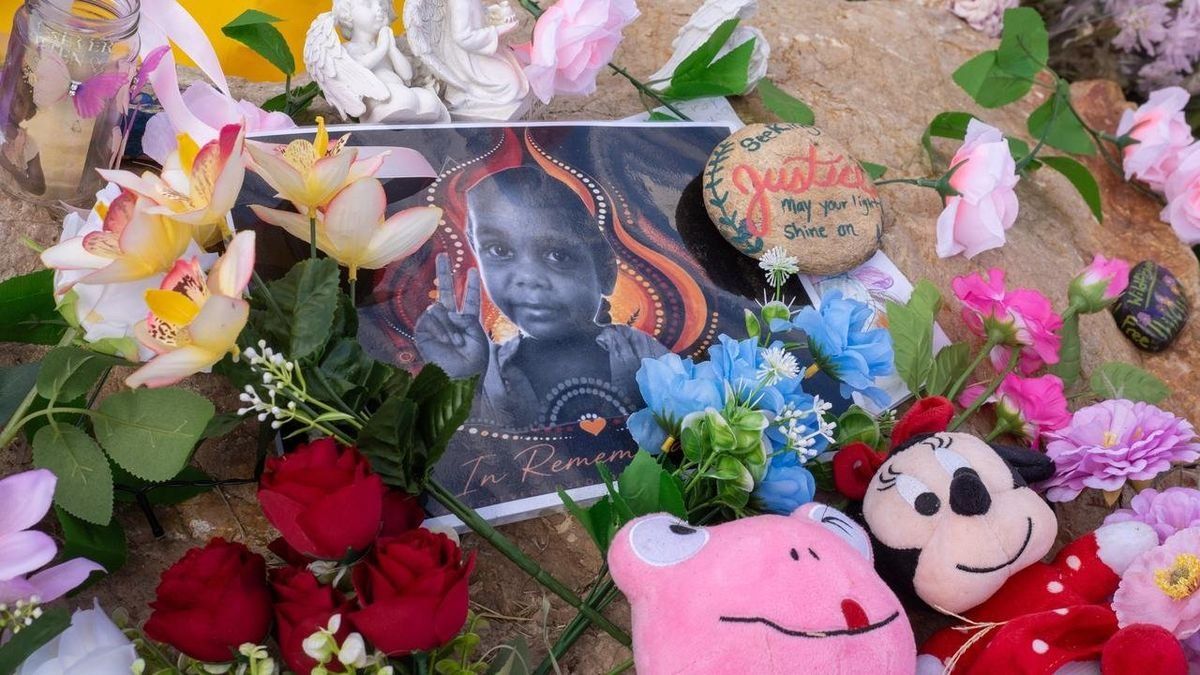
The Webb-Shanahan report highlighted the five-year-old's mother's extensive experience of domestic and family violence. At one point, she was placed in a house in Yuendumu — which she used for safety — with a man who had an extensive criminal history, including making five threats to kill.
No domestic and family violence (DFV)-informed risk assessment was carried out, the report found.
The DCF advised that they don't "routinely undertake formal checks, such as police history or intelligence checks, on people nominated by families to form part of the natural network".
Commissioner Hunter, who is currently leading an investigation into serious child protection issues in the Pilbara, argued that responsibility for the DCF's failures outlined in the report had been placed on the five-year-old's mother.
"Responsibility for violence sits with the people who use it," the Wurundjeri and Ngurai Illum Wurrung woman said. "Responsibility for the response sits with the Department. It should never sit with a victim."
Aboriginal organisations call for greater involvement
On Tuesday, Minister for Children and Families Robyn Cahill attributed a lack of progress in child protection in the Territory to Labor governments, which she argued "put so-called progressive beliefs ahead of child safety".
"A child's culture matters but it can never come before safety," she said.
Northern Territory Senator Jacinta Nampijinpa Price said the "culture of child protection" across the country "needs to change". She told the ABC this week her five-year-old niece was let down by the system.
She claimed child protection responses from some organisations prioritised an "ideological approach" to Indigenous affairs, in which culture is prioritised over the "safety of vulnerable women and children".
"They would probably have argued that my niece should not be removed and in the end we lost her," she said.
However, many Aboriginal organisations have claimed the CLP Government has failed to listen to them during its two years in government. This week, they said many of the solutions they had long proposed had gone unheeded.
"While this report may have given a voice to frontline child protection workers, it has failed to hear Territory Aboriginal families, Aboriginal children and the Aboriginal voices who have informed the solutions put forward in the hundreds of recommendations contained in a myriad of reports over many years," said SNAICC - National Voice for Our Children chair Muriel Bamblett.
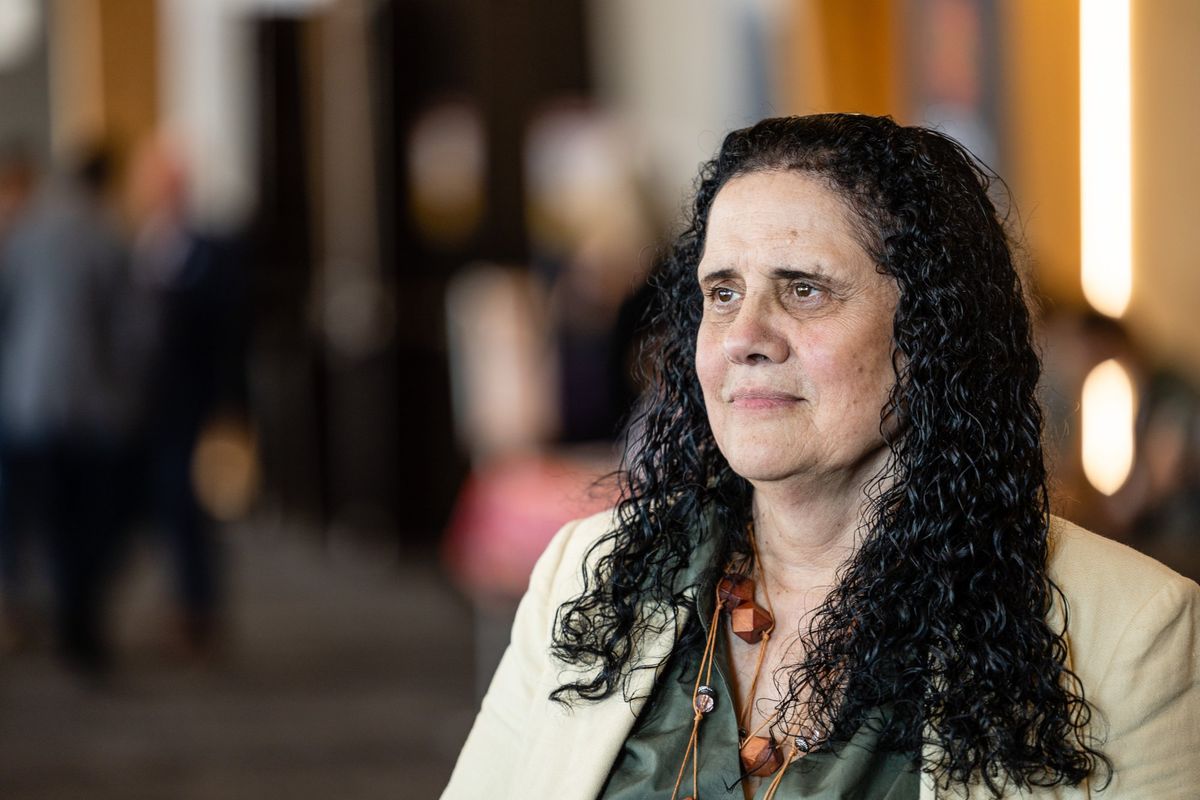
Commissioner Hunter argued the report failed to "adequately consider this family's culture, identity or kin, and it does not draw on the knowledge of the Aboriginal organisations who worked with them".
She said the word "Aboriginal" appeared only six times across the report's 62 pages.
"There will be no meaningful change unless Aboriginal communities and Aboriginal Community-Controlled Organisations share in the decisions and lead the solutions," the commissioner said.
First Nations children and families needed culturally safe support, specialist domestic violence services and safe housing, Commissioner Hunter said.
"I call on the Northern Territory Government to explain how it will resource and deliver these recommendations, and how it will fund them for the long term," she added.
"I also call on the Northern Territory Government to explain how it will protect the privacy and dignity of women and families who come into contact with the Department, including in any future review."
National Sexual Abuse and Redress Support Service 1800 211 028
Lifeline (24-hour crisis line): 131 114
Full Stop Australia: 1800 385 578
Beyond Blue: 1300 224 636
Ruby Gaea (NT): 08 8945 0155



