




WARNING: Aboriginal and Torres Strait Islander readers are advised the following article contains the name of an Indigenous person who has died.
Aboriginal and legal organisations in the Northern Territory say they are "deeply concerned" about the direction of the Country Liberal Party's (CLP) reforms impacting women, children and families — the majority of them Indigenous.
The comments from a coalition of NT legal groups, alongside the peak body for Indigenous children and families, come a day after the independent Webb-Shanahan review into the child protection department's conduct in the lead-up to the death of five-year-old Kumanjayi Little Baby found extensive failings within the Department of Children and Families (DCF) and called for a reset of its function.
Alongside accepting all 45 recommendations from the report — which found Kumanjayi Little Baby's family had been known to the DCF since her mother was pregnant with her — Minister for Children and Families Robyn Cahill attributed a lack of progress in child protection in the Territory, including three reports and 300 recommendations over 30 years, to Labor governments that she argued "put so-called progressive beliefs ahead of child safety".
"A child's culture matters but it can never come before safety," she said on Tuesday.
Shouldn't advance a "political agenda"
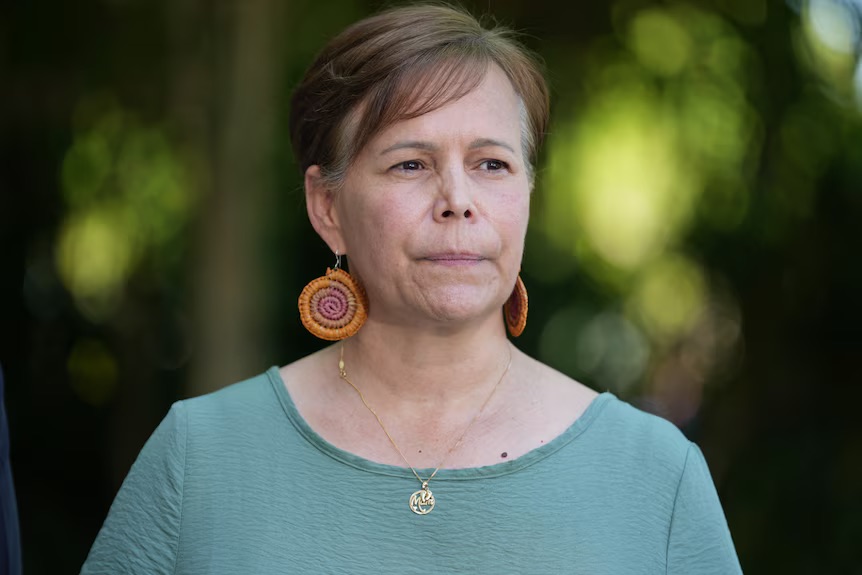
North Australian Aboriginal Family Legal Service CEO Cindy Torrens said the tragic death of Kumanjayi Little Baby shouldn't be used to further a political agenda "without evidence that the proposed changes will prevent further harm".
"Child protection is not a silo," she said. "It is an intersection of housing, justice, education, social services and health."
On Wednesday, a coalition of legal groups said decisions by the CLP "reflect a troubling pattern of significant decisions being made without meaningful engagement with the people most affected".
Neither former New South Wales Police Commissioner Karen Webb nor long-time senior NT public servant Greg Shanahan are Indigenous, despite the overwhelming majority of children who interact with child protection in the NT being Aboriginal.
In comments to the ABC, Ms Torrens accused the CLP of "doing everything to move Aboriginal and Torres Strait Islander people to the fringes".
"We cannot continue to be excluded from any decisions and anything that's impacting our people," she said.
The Webb-Shanahan report highlighted Kumanjayi Little Baby's mother's extensive experience of domestic and family violence. In a statement, the legal groups argued her experiences of violence "must not be misrepresented as the cause of her child's death".
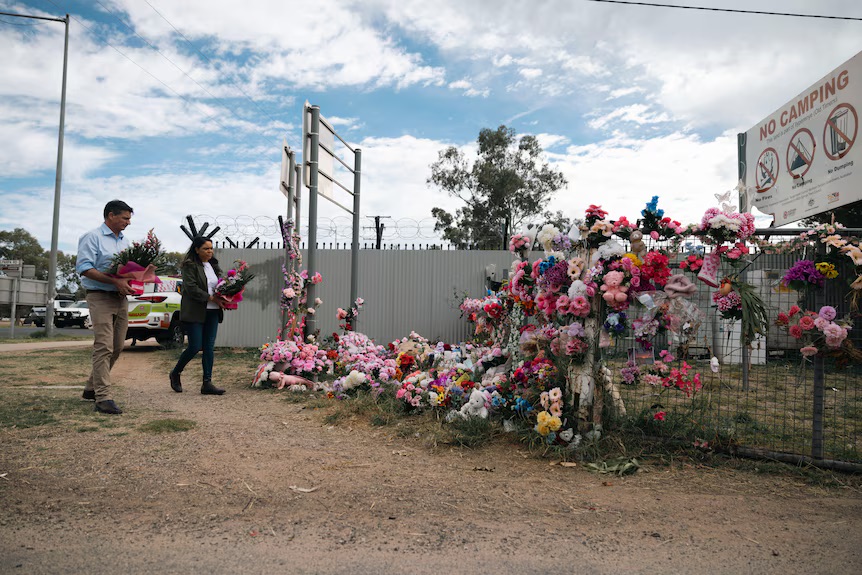
Kumanjayi Little Baby disappeared from the Old Timers Town Camp outside Mparntwe/Alice Springs on April 25. Her body was found five days later, after she was allegedly abducted and murdered by Jefferson Lewis, 47. Mr Lewis has not entered a plea and is being held in custody.
"Conflating these distinct circumstances risks shifting attention away from the person alleged to have committed the offence and the systemic failures that require scrutiny," Katherine Women's Legal and Information Service (KWILS) chief executive Hannah George said.
"It also reinforces harmful narratives that hold women responsible for violence perpetrated against them and their children."
The report said its findings "point to the need for a system-wide reset of DCF's child protection function".
"The recommendations address immediate practice and operational weaknesses while establishing the foundations for longer-term reform. Their implementation will require executive ownership, clear priorities, accountability for delivery and active assurance that changes are translating into improved practice and outcomes for children and families."
In response, North Australian Aboriginal Justice Agency (NAAJA) Ben Grimes said: "In other words, the law was not the problem."
"Yet the Minister has spent much of the last two years focused on changing the law," he said. "That is time she should have spent on fixing the problems in her Department."
Mr Grimes said the report clearly identified that it was the "timeliness and effectiveness of the Department's identification, assessment and response to risk" rather than "a lack of statutory authority or protective mechanisms".
"Not one of the 45 recommendations calls for changes to the law," he added.
Child protection reforms
Earlier this year, the CLP passed child protection legislation which experts say weakened the Aboriginal child placement principle (Principle). A CLP-dominated parliamentary committee recommended passing the laws — despite 120 of 150 submissions specifically opposing them.
Whilst the government has defended the reforms before the report was released, Mr Grimes questioned why this took place.
"There still has not been a clear answer to why legislative changes were rushed and implemented before the government's own report," he said. "If a report was required, the report should have come first, before legislative changes were considered."
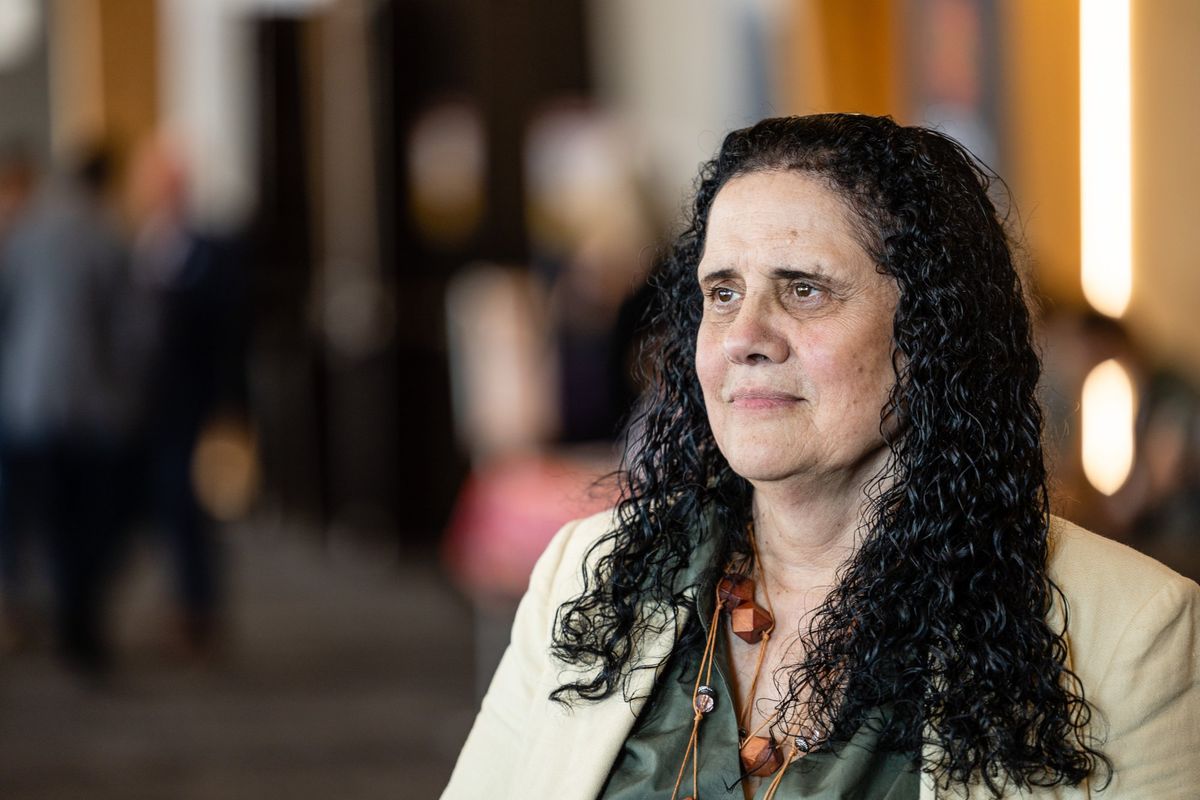
On Wednesday, SNAICC - National Voice for Our Children said the Webb-Shanahan report didn't mention the Principle as a factor in the death of Kumanjayi Little Baby. Nonetheless, the only "substantive response" from the government has been to weaken it, said Chair Muriel Bamblett.
"While this report may have given a voice to frontline child protection workers, it has failed to hear Territory Aboriginal families, Aboriginal children and the Aboriginal voices who have informed the solutions put forward in the hundreds of recommendations contained in a myriad of reports over many years," Ms Bamblett said.
"To blame culture and the [Principle] for what are plainly failures in family, child and community safety is a deflection of the NT Government's responsibility to keep children safe and connected to family, culture and community. We all agree that children do best when they grow up with family, loved and safe, knowing who they are and where they belong.
"Independent reviews only work when governments are willing to listen and act. You cannot claim to put children first while rejecting the evidence about what work[s] to keep children safe."
"Ideological approach" is failing
Speaking to the ABC on Tuesday after the report was released, Northern Territory Senator Jacinta Nampijinpa Price said the "culture of child protection" across the country "needs to change".
The report found that most of the 16 notifications the DCF received involved Kumanjayi Little Baby's father and included reports of verbal and physical violence and breaches of domestic violence orders.
At one point, she was placed in a house in Yuendumu with a man who had an extensive criminal history, including making five threats to kill. No domestic and family violence (DFV)-informed risk assessment was carried out, the report found.
The DCF advised that they don't "routinely undertake formal checks, such as police history or intelligence checks, on people nominated by families to form part of the natural network".
Senator Nampijinpa Price said her five-year-old niece was let down by the system. She claimed that child protection responses from some organisations prioritised an "ideological approach" to Indigenous affairs, in which culture is prioritised over the "safety of vulnerable women and children".
"They would probably have argued that my niece should not be removed and in the end we lost her," she told the public broadcaster.
"I think the system treats Aboriginal women and vulnerable children, [it] doesn't treat them like Australian citizens, that's for sure, where their human rights and their safety need to be upheld."
National Sexual Abuse and Redress Support Service 1800 211 028
Lifeline (24-hour crisis line): 131 114
Full Stop Australia: 1800 385 578
Beyond Blue: 1300 224 636
Ruby Gaea (NT): 08 8945 0155



