



The late Maitland Parker is remembered as a true gentleman, family man and widely respected Banjima Elder who fought a battle to heal his 'poisoned' Country in the Pilbara.
His legacy lives on with, and through his family, in the community and across Australia.
The new documentary Yurlu | Country captures Mr Parker's final year battling mesothelioma caused by exposure to asbestos mined in Wittenoom and tens of thousands of surrounding hectares in the mid-20th century.
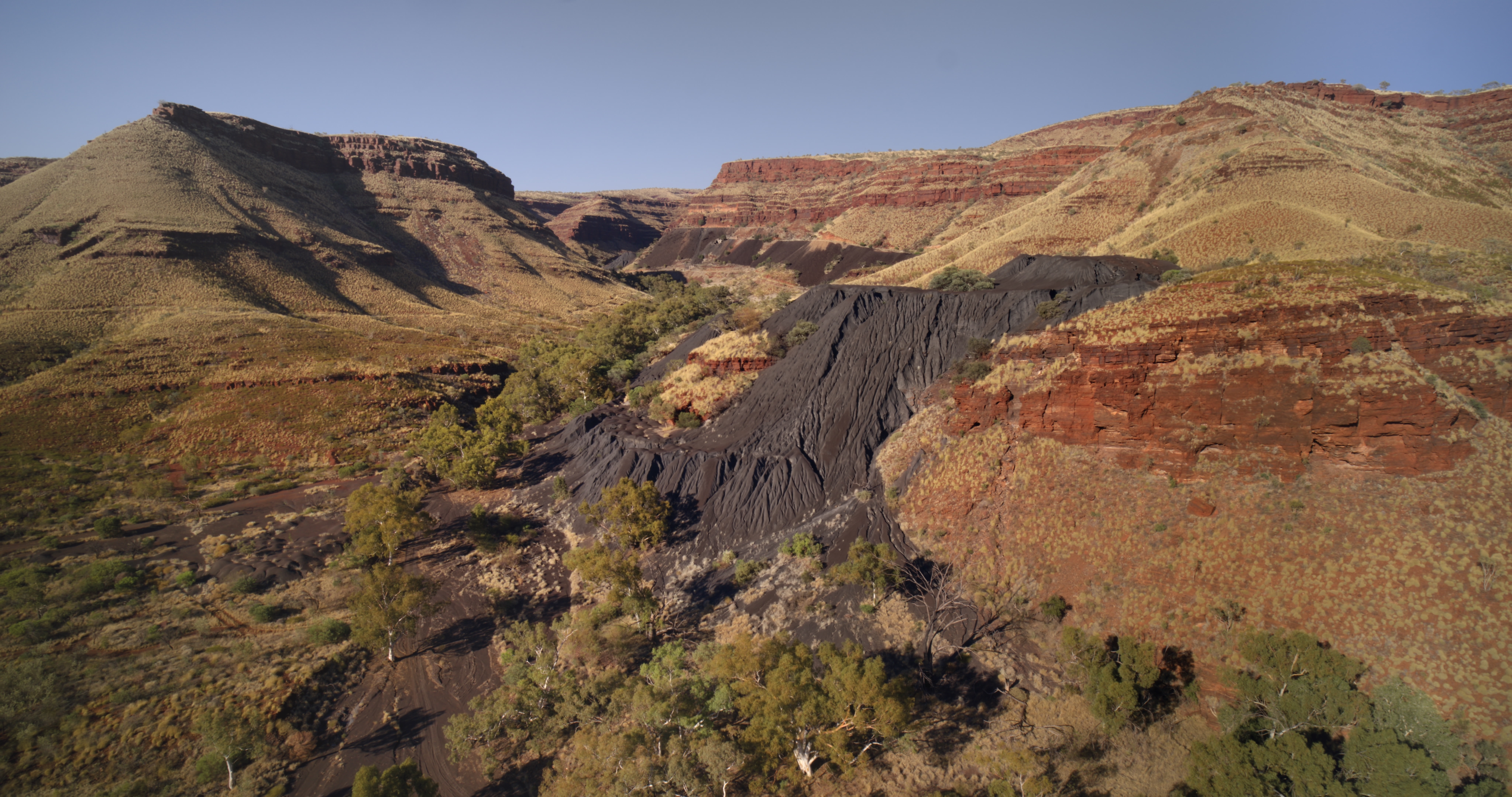
3 million tonnes of tailings containing asbestos remained after mining ceased.
As a boy, Mr Parker explored and lived in what remains a contaminated area.
He passed from illness last year.
Mr Parker allowed his story to be told and for filming to continue after his death, breaking cultural traditions.
Dumps of tailings remain on his Country. It's considered the largest contaminated site in the Southern Hemisphere.
Banjima people are still unable to access much of their Country - considered prohibited areas due to ongoing associated risks.
Aboriginal people in Western Australia have the highest incidence of mesothelioma in the world, the film tells.
It's 60 years since the area's contamination came to light, Mr Parker's niece Johnell told National Indigenous Times following the film's Victorian premiere at the Melbourne International Film Festival on Wednesday night.
"We have to look at avenues to be able to bring that message across, because this happened in my Elders generation, and then as a young person as Banjima, you sit there and you think, 'well, our elders didn't have a say, but now we have some kind of say'," Ms Parker said.
Uncle Maitland highlighted, she added, "that country is sick and it is poisoned, and it's been poisoned for the last 60 years" as contamination continues to spread.
Ms Parker is a board director of Banjima Native Title Aboriginal Corporation.
Filmmaker and five-time Walkley Award-winning journalist Yaara Bou Melhem directed and co-created Yurlu | Country.
It's Banjima truth-telling, she said.
"Maitland's story was so powerful. Not only was he trying to clean up and heal the largest contaminated site in the southern hemisphere, but it mirrored his own struggle with mesothelioma, something that he developed as a result of exposure to his country," Ms Bou Melhman told National Indigenous Times.
"We wanted to work with him, and he wanted to work with us to really honor his story, honor the fight, and try to get this cleaned up for the next generation."
She said "it was clear Maitland and his Yurlu, his country, were one".
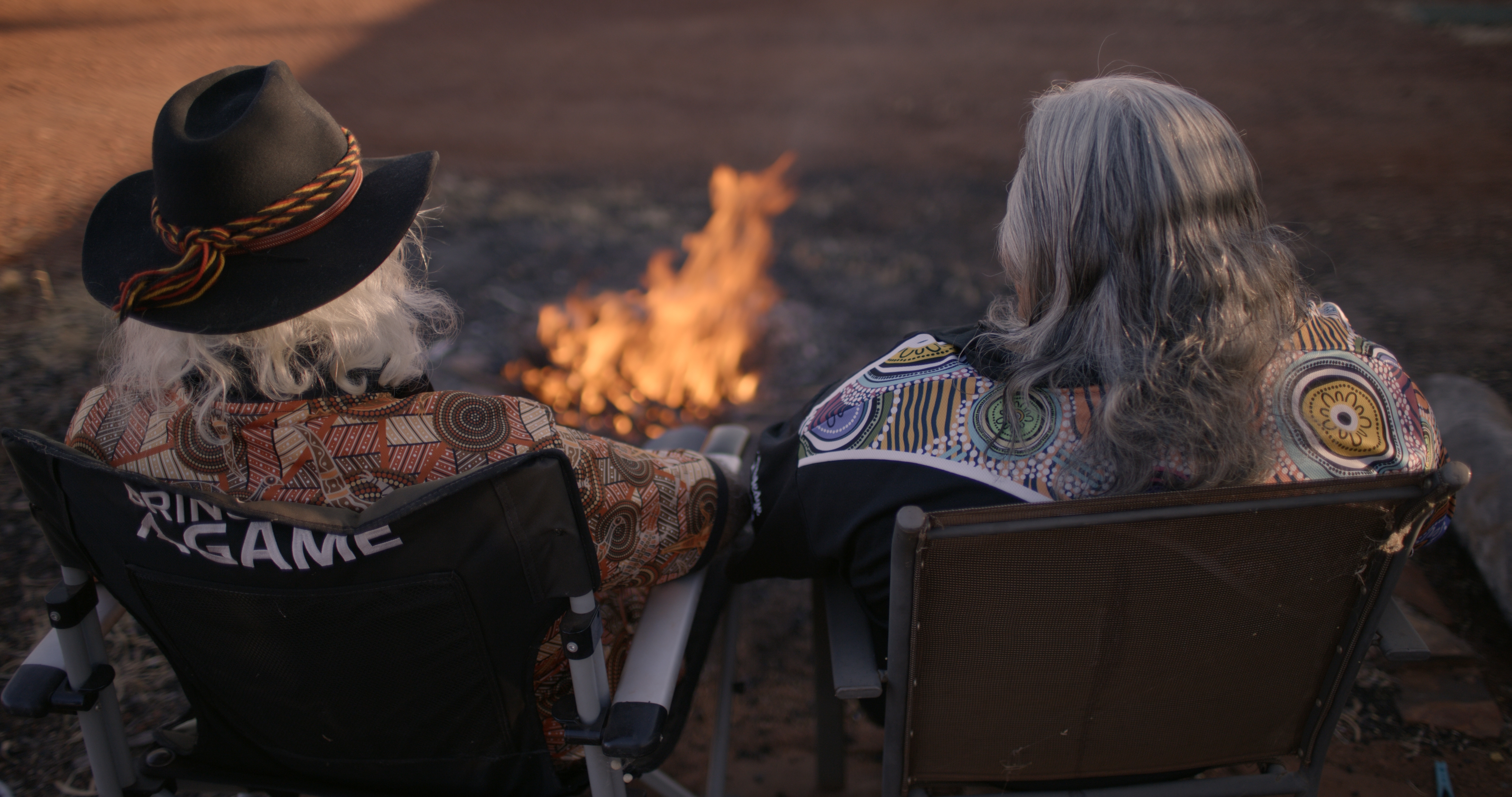
Ms Parker said for the family, it's about reconnecting to Country and how to see it become healthy again.
It's not only Banjima people who are impacted.
"This story resonates with all Traditions Owners who have had family grow up there, who have been raised there, who have buried family there," she said.
Mr Parker engaged in legal action with the state to help heal his Country.
That fight "is just in its infancy", Ms Parker believes, with others to carry on with it.
Ms Bou Melhem described the the documentary as a "legacy film" about a "hero" on Wednesday night, includes intimate moments of Mr Parker and his family - wife, children, siblings, nieces, grandchildren and great grand children.
"I think people being able to connect with (Mr Parker), he knew that that would help bring about the change that he wanted, and that change is to clean up Wittenoom and to make sure that this ends with him - that future generations, not just Banjima people, but all people who travel and live within that region don't get get affected by the contamination there anymore," she said.
Ms Bou Melham also wanted to showcase the landscape and Yurlu as a character in the film.
Ms Parker described her Uncle as a true gentleman, gentle and family man.
"I think that this film captures the love of family through adversity, but also through activism for the things that he was passed down through generations, through his uncles and his father," she said.
Of Yurlu | Country She later added: "For me, it's a story of love for his family, for his grandchildren, his daughters and his wife. Being able to share intimate moments and going through this journey with them, watching the film and bringing to support his message, is a full credit to them".
Yurlu | Country has a second screening at Melbourne International Film Festival on Friday with a wider release due in November.



