



A Japanese edition of Barbed Wire and Cherry Blossoms by Wiradjuri author Dr Anita Heiss has been released.
Its publication coincides with the 80th anniversary of the breakout on August 5, 1944 by Japanese prisoners of war in Cowra, New South Wales.
The novel features this event as the backdrop to a love story between a Japanese man and a Wiradjuri woman.
Dr Anita Heiss observed Japanese tourists' interest in American portrayals of military history at Pearl Harbour in 2014, prompting her to reflect on how the Cowra breakout was documented by Australians, not the Japanese.
"While at Pearl Harbour in 2014, I was intrigued by the interest Japanese tourists demonstrated in military history as portrayed by the Americans and I considered how back home the Japanese breakout at Cowra had been documented by the Australians rather than the Japanese," she said.
In August 1944, more than 1,000 Japanese soldiers escape from a prison compound near Cowra, with many killed or recaptured, but Hiroshi manages to flee.
At Erambie Station, an Aboriginal mission, Banjo Williams finds Hiroshi and, showing compassion, offers him refuge, with Banjo's daughter Mary caring for him.
Amid wartime hardships and oppressive living conditions, Mary and Hiroshi's love grows, but they face the constant threat of discovery.
First published in English in 2016 by Simon & Schuster, Barbed Wire and Cherry Blossoms received critical acclaim and ranked highly in the New South Wales, Queensland, and Dublin International Literary Awards.
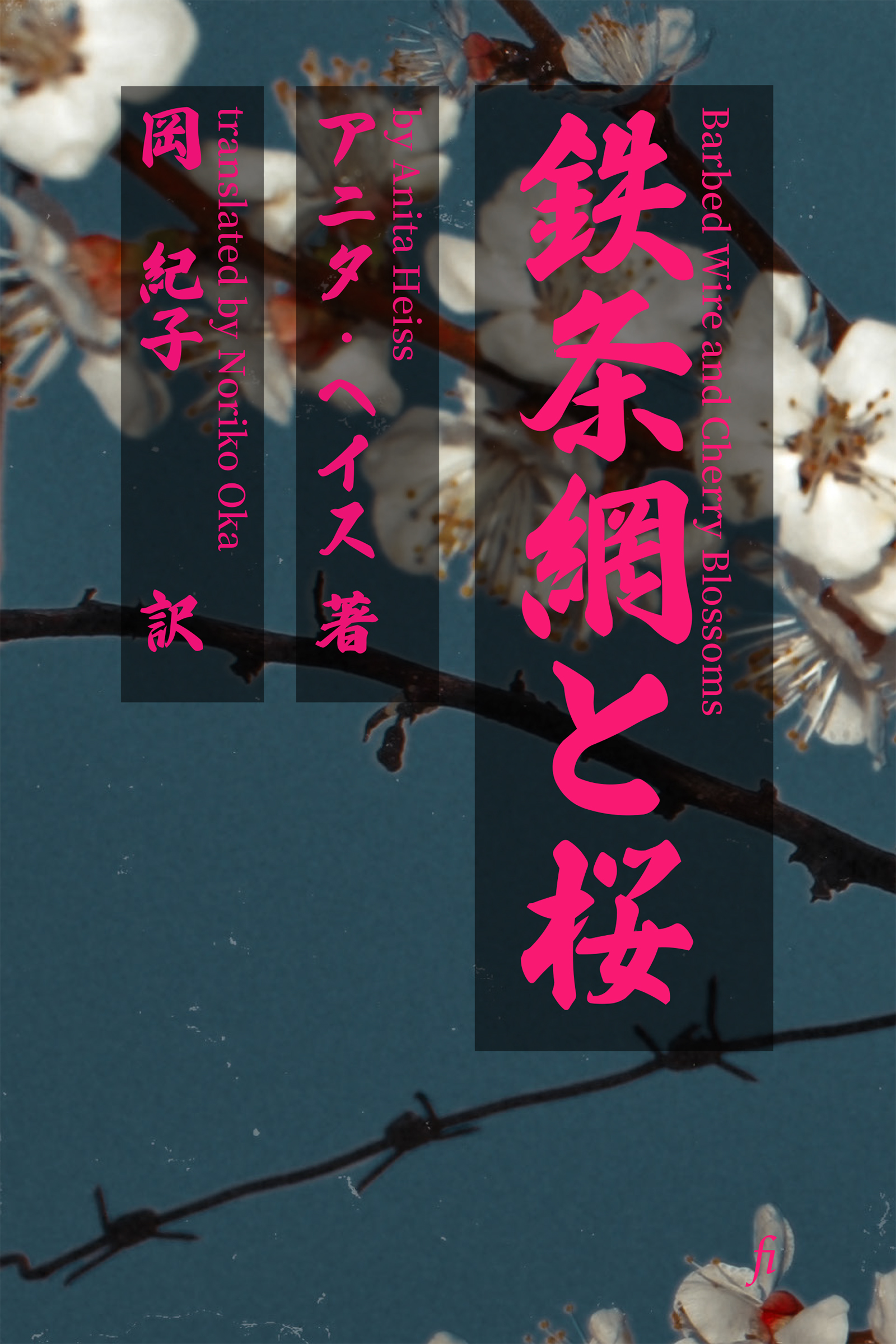
The translated Japanese edition, featuring new cover art, offers the chance to reach wider audiences.
Dr Anita Heiss felt compelled to write about Cowra's shared history during WWII, highlighting the overlooked local Aboriginal community at Erambie and paying tribute to Wiradjuri families and Aboriginal soldiers.
"I also didn't recall much, if any of the history of World War II mentioning the local Aboriginal community at Erambie where my mother was raised as a child," Dr Heiss said.
"I immediately felt compelled to write the shared history of Cowra during the war, so that Australians understood there were two 'camps' at the time, one where my own family lived with fewer luxuries than the prisoners of war.
"Paramount to my storytelling was weaving in my mother's memories, paying tribute to Wiradjuri families of prominence and showing respect to local Aboriginal people who had fought in World Wars."
Barbed Wire and Cherry Blossoms is one of many award-winning books revived by Australian publisher Ligature as e-books.
Part of the Untapped project, a collaboration of library organisations, the Australian Society of Authors, Melbourne Law School, and Ligature, it aims to restore out-of-print Australian classics and study electronic library lending.
Many Untapped titles were republished in paperback by Booktopia/Brio Books and are now being relaunched by Ligature.
The catalogue now includes nearly 200 titles from 100 authors, featuring many beloved works that had been out of print for years to decades.
Sydney-based Ligature is using modern print and digital technologies to revive these titles and reach both new and returning readers.
Matt Rubinstein of Ligature said successful books often go out of print quickly and become hard to find, with limited revenue for authors.
When rights revert to authors or their families, they often want their stories preserved, and Ligature is honoured to provide that opportunity.
"Sadly, even the most successful books can go out of print after only a few years and are hard to find outside of second hand shops and eBay, which don't provide any ongoing revenues for authors," he said.
"Once the rights revert to the authors or their families, many of them are keen to have their stories live on.
"To be able to offer them the platform and means to achieve that is a great honour."
Barbed Wire and Cherry Blossoms is now available online.



