




The Northern Territory Government has announced the opening of a women-only bail accommodation facility in Mparntwe/Alice Springs, following months of criticism over the treatment of people held on remand.
Delivered in partnership with The Salvation Army, the 10-bed facility will provide safe, supervised accommodation and specialist support for women on remand.
In a statement, the Territory Government said the facility was designed "specifically to better meet the needs of Aboriginal women," with the program intended to address housing barriers faced by women on bail and parole.
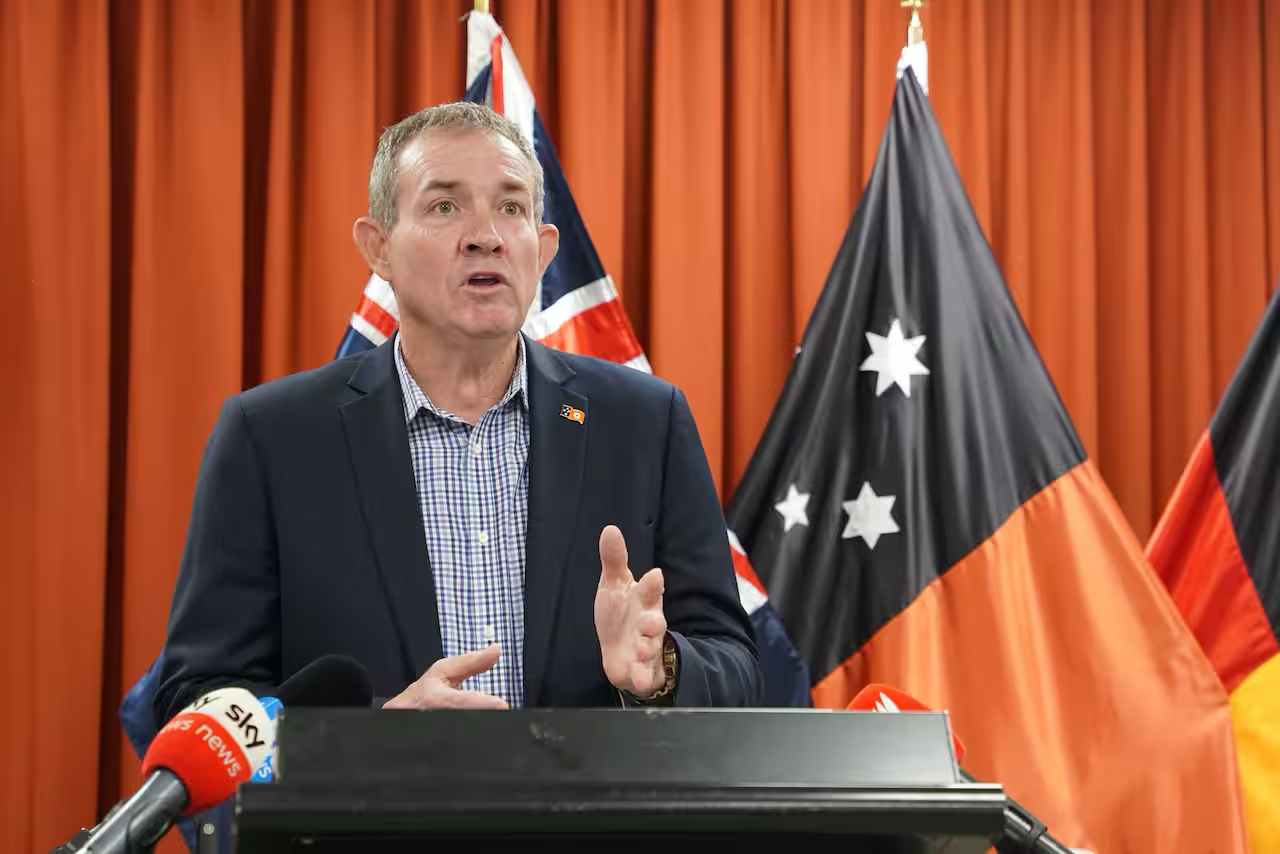
It is expected to support around 30 women each year, with Corrections Minister Gerard Maley saying the program would target the root causes of offending by improving housing stability and providing a structured pathway for women exiting custody.
"For too long, women, particularly Aboriginal women, have been held on remand simply because they don't have a safe place to stay while their matters are before the courts," Mr Maley said.
"This facility provides a practical, accountable alternative that supports women to comply with bail conditions while keeping the community safe."
The Salvation Army's Northern Territory Manager for Alcohol and Other Drugs and Homelessness, Andrea Keke, said the program focuses on providing women with safe and secure accommodation while they are on bail.
The organisation has operated bail-supported programs for men and women in Darwin, and for men in Mparntwe/Alice Springs, since 2023.
"We know that when women have safe and stable accommodation, clear and consistent support, and people around them they can trust, they are far better placed to meet their legal requirements and start addressing the challenges that have impacted their lives," Ms Keke said.
"Our focus is not just on providing a bed, but on supporting women to plan for what comes next. Whether that's stable housing, reconnecting with family, or engaging with health and community services."
National Indigenous Times posed questions to the Salvation Army about what culturally safe practices are embedded at the facility, but did not receive a reply by deadline.
The government confirmed the existing facility has been refurbished and repurposed, with one woman already using the accommodation. In 2023, the Salvation Army's Red Shield Hostel, which formerly sheltered single men, was reopened as bail accommodation for men.
Women can access the program through referrals from legal representatives or Probation and Parole officers. Stays are expected to range from three to six months, with participants contributing $182 per week toward accommodation costs, while food and personal expenses remain their responsibility.
"We know that supported accommodation programs work," Mr Maley said.
"Since 2023, bail-supported accommodation has helped save more than 37,000 prison bed nights, reduced pressure on our corrections system, and helped hundreds of Territorians successfully return to their families and communities."
Female incarceration often driven by male violence
Incarceration rates in the Northern Territory have risen sharply since the Country Liberal Party took office last year. Following the lowering of the age of criminal responsibility to 10 and the tightening of bail laws, more than one per cent of the Territory's population is now incarcerated.
Almost 90 per cent of inmates are Aboriginal, and multiple reports have warned of extreme overcrowding, with nearly half of all prisoners in the Territory currently held on remand.
Experts have repeatedly highlighted that many Aboriginal women in custody are victims of domestic violence and experience housing and financial insecurity, circumstances which frequently result in bail being denied.
The North Australian Aboriginal Justice Agency (NAAJA), which represents many women in custody in the Northern Territory, has been a vocal critic of the government's approach and has called for greater investment in rehabilitative services.
A spokesperson told National Indigenous Times that while any initiative aimed at ensuring women's safety and dignity while on remand is welcome, public discussion about women's incarceration in Central Australia must be grounded in evidence — particularly Indigenous-led research into the underlying causes of Aboriginal women's imprisonment.
"Aboriginal women are also routinely over-policed and frequently misidentified as the primary aggressor in domestic and family violence incidents, even when they are the victim," the spokesperson said.
"This misidentification is a well-documented pathway into the criminal justice system and a major contributor to the over-incarceration of First Nations women."
.png)
Addressing root causes
Referring to two First Nations-led reports — Kungas' trauma experiences and effects on behaviour in Central Australia and 'She Gives as Good as She Gets': Understanding Misidentification as a Pathway to Aboriginal Women's Criminalisation — the NAAJA spokesperson said Indigenous women's incarceration "cannot be separated from the broader structural drivers of inequality: poverty, racism, domestic and family violence, homelessness, and complex trauma".
"Bail accommodation alone does not address these fundamental issues," they said.
"Aboriginal women have long had access to safe places to stay; the dramatic increase in Aboriginal women's imprisonment is instead linked to increasingly punitive bail laws that disproportionately impact Aboriginal people."
Mr Maley has routinely defended the CLP's tough-on-crime agenda, arguing in December that the government "make no apologies for restoring the rights of victims and the community," even as claims of overcrowding in prisons and human rights abuses continue to plague the government.
"I've said many times, if you do the wrong thing, we will find you a bed," he said.
NAAJA urged all levels of government, along with the broader community, to "move beyond superficial responses and commit to addressing the real causes of Aboriginal women's incarceration — the systemic inequality and trauma that continue to shape their lives".
"Without dealing with these root causes, new facilities will do little to turn the tide of incarceration," the spokesperson said



