




The Joint Council on Closing the Gap has agreed to strengthen oversight of how governments implement existing commitments for Indigenous children, marking what advocates say is an important step toward changing outcomes for First Nations children and young people.
Meeting in Hobart on Friday, the Council committed to prioritising key reforms under Target 12 of Closing the Gap, which aims to reduce by 45 per cent the over-representation of Aboriginal and Torres Strait Islander children in out-of-home care (OOHC) by 2031.
"Right now this country is still failing too many of our kids in early childhood development, education, out-of-home care, youth justice and access to safe housing and services," deputy lead convenor of the Coalition of Peaks, Scott Wilson, told reporters.
"These are failures of government systems — not about children and their families — and they demand action, not excuses."
Mr Wilson said the Council was hopeful of making "progress on addressing the policies and practices that continue to disproportionately harm our young people and agree to work together with the Community-Controlled sector to support our kids".
As part of this, the Council endorsed recommendations from government departments and Indigenous leaders to prioritise investment in ACCOs, strengthen early intervention, delegate decision-making authority for Indigenous children and young people, and expand the First Nations workforce.
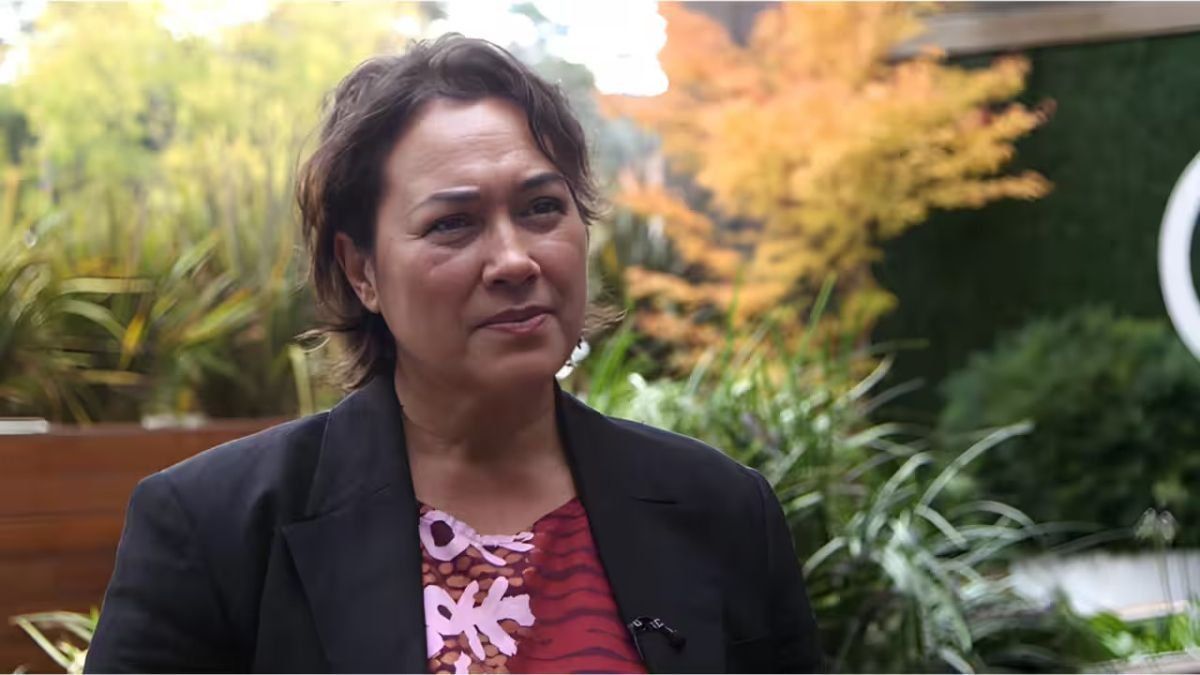
In response, SNAICC - National Voice for our Children CEO, Catherine Liddle, said the agreement brings weight, visibility and stronger oversight to the work required under Target 12.
She said commitments have often been made in policy without meaningful change on the ground, emphasising that the work is "ultimately about what governments must do to better support our children to stay connected to family, culture and community".
"Joint Council stepping into a stronger oversight role means the whole system across every portfolio and jurisdiction is now on notice to deliver," Ms Liddle said.
"It is an important step forward in ensuring governments cannot hide behind agreeing to strategies and not following through with them."
In 2024, 22,908 Aboriginal and Torres Strait Islander children were living in OOHC, representing 41 per cent of all children in the child protection system. Ms Liddle noted while Australia spends $6.5 billion on child protection, only $657 million goes toward early intervention.
"The tidal wave of children entering care continues to grow at an alarming rate, and urgent attention and resources are needed to bring about the pace and scale of change required," she said.
"Joint Council's decision today is significant because it recognises that the evidence is already there - adding the weight and oversight needed to invest in the solutions that will make a difference in our communities. The commitment has now been made — it is up to governments to follow through."
View this post on Instagram
Governments across Australia have faced criticism for ignoring Closing the Gap recommendations, particularly regarding youth detention and OOHC.
This includes conservative governments in Queensland and the Northern Territory, but also the Labor-led governments of NSW and Victoria. Last week, on the day the state signed Treaty laws, Victoria unveiled plans to allow children as young as 14 to face life imprisonment for certain offences.
In Hobart, Minister for Indigenous Australians, Malarndirri McCarthy, acknowledged the scale of the challenge, saying it's "very tough to improve the lives of First Nations people as per the Agreement — but it's not impossible".
Having previously raised the prospect of funding penalties for jurisdictions failing to meet their targets, she was asked when the federal government would intervene.
"I understand politically that parties will make their decisions in terms of elections and why and how they wish to get into these positions," Senator McCarthy said. "But I also know that we are responsible, all of us collectively as leaders, to see when a policy is not achieving the outcome, when it has profound impacts."
Pressed on whether financial consequences were being considered, she added: "All options are on the table. I'm looking at all of those."



