




PenCS, a prominent health informatics firm that has a number of Indigenous medical clients, has unveiled a new digital Health Calendar aimed at enhancing health outcomes, efficiency, and financial sustainability for medical practices across Australia.
This calendar is a significant addition to PenCS' Practice Cloud, a recently introduced medical intelligence platform.
The Health Calendar actively encourages preventive and proactive care, along with early detection of health issues.
It goes beyond typical scheduling tools representing a comprehensive framework meticulously designed to advocate for preventive and proactive care, alongside facilitating early detection of health issues.
It operates on a twelve-month cycle, offering a GP-designed framework that encompasses comprehensive care.
Additionally, it incorporates global health awareness months as points of reference.
This initiative strategically aids practices in identifying individuals at risk, instructs on utilising MBS for improved clinical outcomes, and enhances operational efficiency.
It encompasses 13 quality improvement programs that have the potential to increase gross MBS billings by $126,970 per full-time GP annually*.
Gunyah of Wellness, an Indigenous medical service in Nambour, Queensland has consistently utilised PenCS software since it's establishment in 2018 and relied on PenCS data to correlate practice productivity with high-quality clinical care.
They were recently awarded the Closing the Gap Award at the 2023 PenCS Awards for being a transformative force in culturally competent healthcare in Queensland.
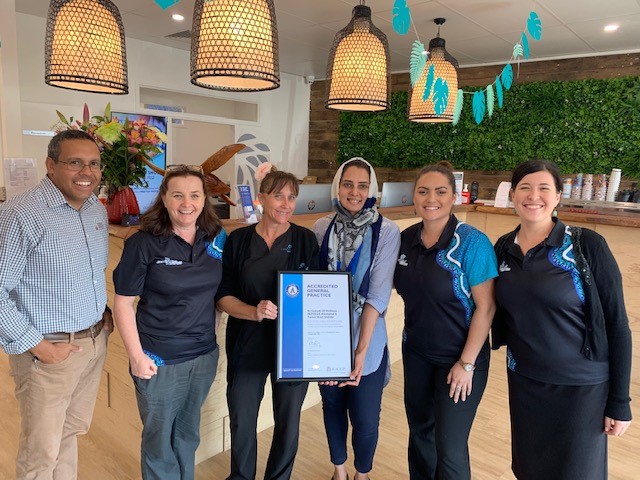
Gunyah Chief Health Officer, Ruth Murray said the organisation has found mob often like to learn about and access healthcare beyond the walls of the Gunyah clinic.
"...and we use PenCS data to inform the health topics most relevant to our community (because every Aboriginal and Torres Strait Islander community is a little different in terms of health needs) rather than painting with broad strokes," Ms Murray said.
"It's great to see further innovation from PenCS with the Health Calendar and we look forward to exploring how this framework may further enhance the care we can offer to our community."
Despite operating within a busy environment, the clinic acknowledges the challenges in allocating time to address the diverse and complex needs of the community.
Moreover, Gunyah of Wellness has observed its clinic evolving into a central hub for various community inquiries, necessitating the staff to adapt and fulfill multiple roles as required.
Gunyah of Wellness emphasises access to meaningful data through PenCS has enabled a proactive and targeted approach to both preventative medicine and chronic disease management.
Utilising this data, the clinic has refined workflows and ensured that all staff members contribute to optimal patient care by leveraging PenCS insights.
An illustrative example involves reception staff utilising Topbar on a daily basis to verify MBS eligibilities for scheduled patients.
This proactive approach allows them to opportunistically invite patients to book key items such as the 715 health assessment, GP care plan, and follow-up visits with the Chronic Disease Nurse.
Practice Cloud is tailored to empower Australian general practices and Aboriginal Member Services in primary care by providing access to data-driven insights through improved reports and dashboards.
This platform leverages the flexibility and sustainability of cloud technology while ensuring the security of an ISO27001:2022 certified and HIPAA-compliant environment.
The ultimate goal is to optimise practice efficiency through the utilisation of these advanced tools and resources.
PenCS' CEO, Edweana Wenkart said The Health Calendar shows sustainable practice management and value-based healthcare.
"There are 13 easy to implement Quality Improvement (QI) programs that track patient outcomes in real-time," Ms Wenkart said.
"Recall lists are generated with one click and each QI program is matched to MBS items that provide patient benefits for a wide range of health services including consultations, diagnostic tests and health assessments.
"This ensures that practices can manage workforce and finances aligned with clinical outcomes."



