




In the far north of Lockhart River on Cape York Peninsula, the local store is more than a place to buy groceries. It is family history — one of community care and cost-of-living relief.
For Charlene Rocky, that connection runs deep.
She works at the remote store named after her grandfather, Freddie Clarence Moses, a respected local leader who fought to have the shop established and managed it for many years to ensure families had reliable access to food and essentials.
Charlene carries that legacy forward behind the counter and across the aisle as a customer herself.
Like many remote communities, Lockhart River has long faced steep prices on basics that city shoppers take for granted. Freight costs and distance can quickly push up the price of everyday goods, stretching already tight budgets.
The federal government's Low-Cost Essentials Subsidy Scheme, which aims to reduce prices on 30 essential grocery items — including canned fruit, tinned vegetables, rice and pasta, along with everyday necessities such as nappies, soap and toilet paper — bringing them closer to those in urban areas.
Charlene says the she has seen the benefit of the subsidy — which has been in place since last year and was recently expanded to an estimated 225 remote stores nationwide — during her fortnightly shop.
"It's actually great. We have like discounts on some of the items here," she said.
Shop manager Soum Saha says they've noticed the difference, with the savings on smaller items adding up quickly for families doing regular shops.
"If we can provide a bit of relief on the food, that's a big difference to make," Mr Saha says.
"People will save a bit of money, this is helping them. I can see people buying more."
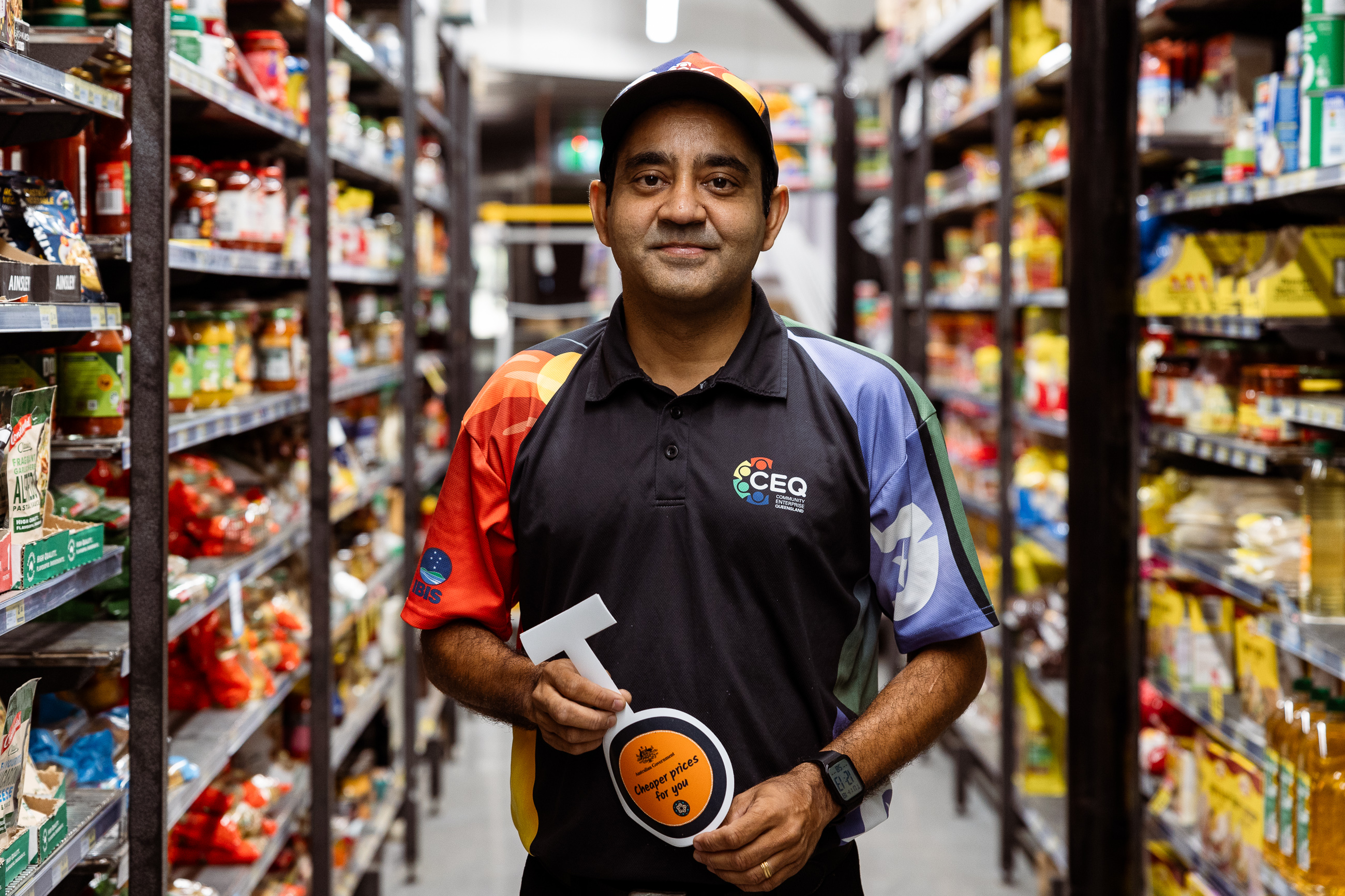
The store is operated by Community Enterprise Queensland (CEQ), which supports remote communities across the region. CEO Michael Dykes says the lower prices are already shifting shopping habits in positive ways.
"We are empowering people to make better choices by making healthier food more accessible and we are already seeing the buying patterns of our customers change," Mr Dykes says.
The subsidy has been a key focus for Minister for Indigenous Australians, Malarndirri McCarthy, since taking on the portfolio in 2024, alongside the 10-year National Strategy on food security in remote First Nations communities, launched last year and backed by states and territories to introduce a national code on food pricing.
"I needed the states and territories to be on board with me so that it was a collective approach to wanting to reduce the costs of food, and I was very pleased with that," Senator McCarthy told National Indigenous Times last year.
For Charlene and the Lockhart River community, the results are real and tangible. In a place where every dollar counts, cheaper food means fuller cupboards, healthier choices and less stress for families.
A local shop, once again doing what it was always meant to do: looking after its people.



