


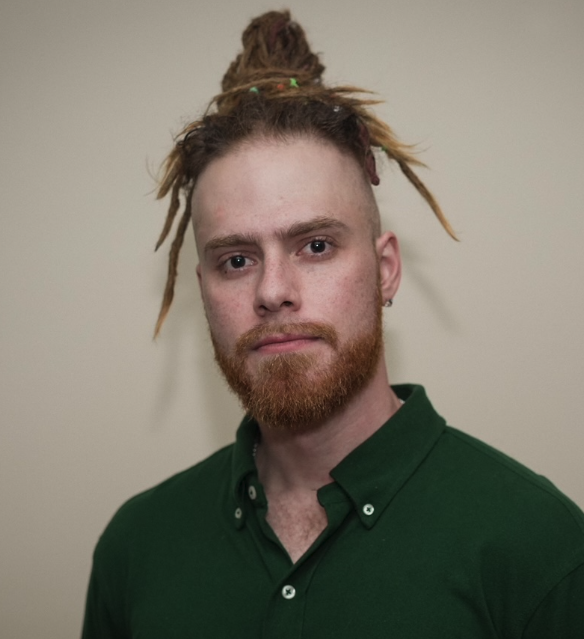

Arrernte man of Port Pirie, Shamus O'Brien, has reflected on his survival after heart and lung failure left him fighting for life over Christmas.
The 23-year-old Arrernte man was airlifted to Royal Adelaide Hospital after a severe case of pneumonia.
He went into cardiac arrest shortly after landing at Adelaide Airport.
Teams from the Intensive Care Unit, vascular surgery, cardiology and nursing moved quickly to treat him.
Mr O'Brien said the speed of the decline was hard to take in.
"One minute I was just living life... the next thing I know, I'm waking up in hospital being told I had almost died," Mr O'Brien said.
While he was in a coma, Mr O'Brien was placed on Extra Corporeal Membrane Oxygenation (ECMO), an advanced form of life support used for the illest patients.
Machines kept his heart and lungs working for more than two weeks while staff worked to stabilise him.
Royal Adelaide Hospital ECMO Nurse Consultant Sophie Dohnt said the treatment carries serious risks.
"The survival rate for ECMO for cardiac failure is around 40 per cent," Ms Dohnt said.
.jpg)
Mr O'Brien woke on January 12 and described the experience as overwhelming, noting the first days after regaining consciousness were emotional.
"Not many people get a second chance - I just am grateful to be alive," Mr O'Brien said.
Hospital staff soon saw how widely supported he was, with more than 100 people travelling from Port Pirie to visit him in four weeks.
The number of visitors helped earn him the nickname "Famous Shamus" among friends and ward nurses.
Mr O'Brien said even he was surprised by the turnout.
"I have a lot of friends where I'm from, but even I was freaked out by how many people came to see me," he said.
Ms Dohnt said his attitude stood out during recovery.
"Not everyone comes off ECMO and even fewer recover as strongly as Shamus," Ms Dohnt said.
"Patients are often exhausted or confused for days but Shamus was bright, smiling, talking."
Mr O'Brien said the care he received made a lasting impact on him.
"All the nurses felt like my friends," Mr O'Brien said.
"I didn't even want to leave ICU because I felt so supported."
.jpg)
His partner Shiloh stayed by his side each day and helped manage the constant flow of visitors.
She said his support in Port Pirie runs deep.
"He's a very popular person in Port Pirie and lights up every room he walks into," Shiloh said.
"Everyone just loves him."
Three months on, Mr O'Brien said the experience had changed how he sees life.
He is now considering a future in healthcare and wants to use his story to help others, especially young Aboriginal people in his community.
"I look at life differently now and I appreciate it more," Mr O'Brien said.
"Seeing how much help I had amazes me."
"I don't want others going through something similar to what I went through. I want to help people the way the teams at the RAH helped me."
Mr Sundararajan said the CALHN Safe and Connected Operating Model played a key role in coordinating the response.
"Teams from ICU at the RAH and Lyell McEwin Hospital, cardiology, vascular surgery, MedSTAR, cardiac anaesthesia, and RAH ECMO service were all talking early, sharing information and preparing together," he says.
"Pre‑ICU discussions helped the ICU team... the planning was really important and set Shamus' treatment up for success."
Originally shared by Central Adelaide Local Health Network.



