


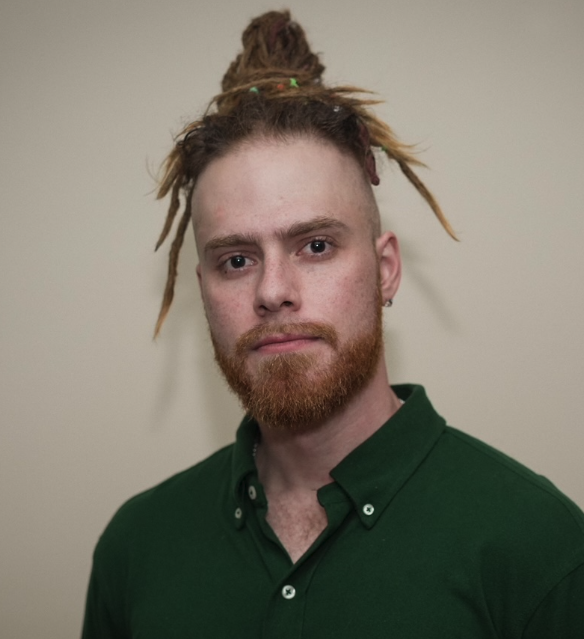

Ngarigo woman and clinical psychologist Shai Hipperson is working at the forefront of Australia's emerging medicine-assisted therapy space.
Through her Queensland-based practice, Conscious Mind Centre, Ms Hipperson delivers regulated, psychology-led treatment for people living with complex trauma and PTSD.
Her pathway into the field was shaped by personal experience with trauma and recovery.
"I came to start studying psychology following a major accident in my early twenties, alongside significant family tragedy within a short period of time, as a result I developed PTSD (Post-Traumatic Stress Disorder)," Ms Hipperson said.
"These experiences shaped both my personal and professional interest in trauma and recovery."
Ms Hipperson's early engagement with different treatment approaches informed her clinical direction.
"During my training as a clinical psychologist, while navigating PTSD, I explored and engaged in therapies such as EMDR after finding conventional approaches to be ineffective," she said.
"In 2016, I came across a clinical trial exploring medicine-assisted therapy, which sparked a strong clinical interest in emerging approaches to supporting complex mental health conditions.
"In 2023, Australia became the first country to permit the use of medicine-assisted therapy for treatment-resistant depression and PTSD under specific regulatory conditions."
Ms Hipperson's identity as a Ngarigo woman underpins how she approaches care for Indigenous patients.
"Trauma-informed care creates a space where patients can safely explore distress at a tolerable level, rather than placing them in situations risking re-traumatisation," she said.
"I focus on building self-management strategies with patients while supporting the safe processing of distressing experiences that continue to impact wellbeing."
Ms Hipperson emphasised the importance of recognising trauma across generations.
"There is also an important recognition of the intergenerational impacts carried across families and communities," she said.
"While these influences can shape lived experience, trauma-focused therapeutic work can support individuals to process these impacts in ways that do not continue forward across generations."
Mainstream mental health systems continue to present barriers for many Indigenous people, Ms Hipperson said.
"Mainstream mental health services often fall short in incorporating culturally informed approaches, and recognising the barriers many Aboriginal and Torres Strait Islander peoples face in accessing care," she said.
"This includes understanding the historical and intergenerational context of trauma, as well as the level of trust required to engage with services.
"There are limitations in available funding models, which do not always account for the longer-term and more intensive support that complex PTSD and trauma-related conditions may require."

Ms Hipperson pointed to the need for broader, accessible treatment options within regulated frameworks.
"There is growing interest in approaches such as medicine-assisted therapy, delivered within appropriate clinical and regulatory frameworks, as a potential adjunct to support individuals with complex presentations," Ms Hipperson said.
"Improving accessibility to a broader range of evidence-informed treatments remains an important consideration in supporting the social and emotional wellbeing of mob and our communities."
Adapting emerging therapies to align with cultural safety remains a key consideration.
"Medicine-assisted therapy may be adapted to embed principles of cultural safety and respect for Aboriginal and Torres Strait Islander peoples," Ms Hipperson said.
"This includes recognising the role of cultural identity, and a shared understanding between patients and clinicians that this therapeutic work may surface intergenerational or ancestral trauma.
"Further adaptations may involve incorporating culturally relevant supports, adjustments or inclusion of ceremony, and, where appropriate and guided by the individual, involving trusted community members or Elders as part of the broader support system."
Connection to Country and community continues to play a central role in recovery.
"Community, connection to Country, and cultural identity are central to the recovery process for many Aboriginal and Torres Strait Islander patients," Ms Hipperson said.
"Disconnection from one or more of these areas is common and can significantly impact social and emotional wellbeing.
"My approach as a clinical psychologist is grounded in a holistic understanding of mental health."
Ms Hipperson added meaningful reform would require greater investment and Indigenous leadership.
"There is a need for greater investment in culturally safe, community-led models of care that are designed with, and not just for, Aboriginal and Torres Strait Islander peoples," she said.
"Improving accessibility is also critical.
"Many individuals face barriers to care, including cost, location, and a lack of culturally appropriate services."
Long-term change depends on centring Indigenous voices in the system.
"Ultimately, meaningful change requires ongoing collaboration and a commitment to placing the voices and leadership of Aboriginal and Torres Strait Islander peoples at the center of mental health care design and delivery," Ms Hipperson said.
Those interested in learning more can visit the Conscious Mind Centre website.



