


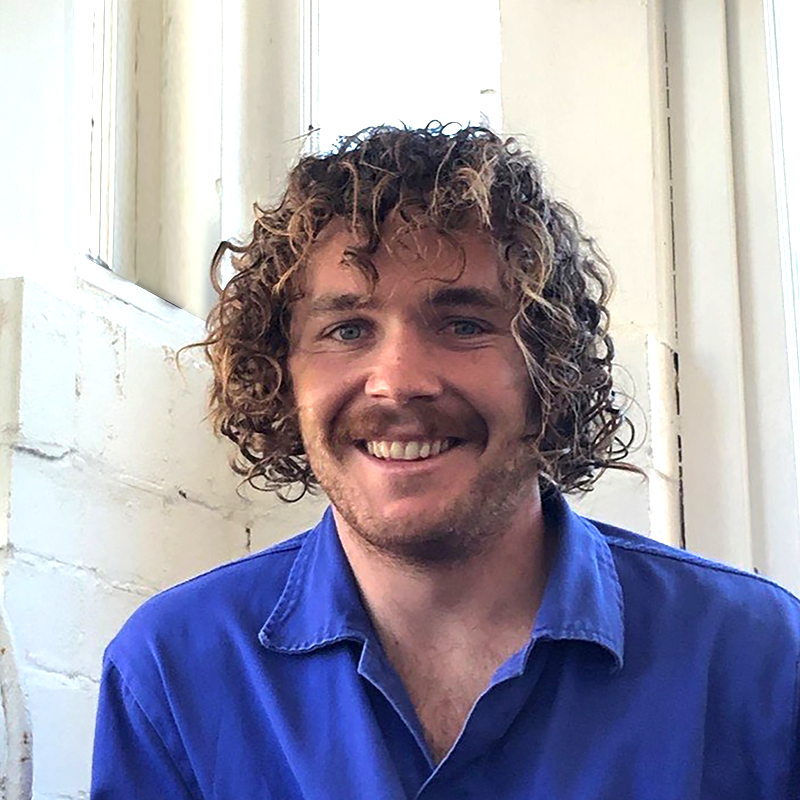

Aboriginal Organisations in the Murray-Darling Basin have welcomed federal funding for Cultural Flows planning and projects which will "genuinely advance water justice and justice for the Environment".
Fifty projects from Queensland to Victoria have secured grants out of an available $20 million along the waterways of the country's largest river system.
The Cultural Flows Planning for Cultural Economies grant program was set up to support planning and development of skills to access and manage water in the Basin — including water-dependent business plans.
Grants come via the Department of Climate Change, Energy, the Environment and Water (DCCEEW).
Dja Dja Wurrung Clans Aboriginal Corporation (DJAARA) in central Victoria will pilot a Cultural Flows Management Plan with their grant.
Their water enterprise DJANDAK will utilise the funding.
"Our aim is for Djaara (Dja Dja Wurrung People) to make decisions for gatjin (water) on Dja Dja Wurrung Country," DJAARA interim chief executive Cassandra Lewis said.
"Since colonisation, Traditional Owners have not had a say in how water is managed - despite our cultural responsibility to care for Country for future generations.
"This grant will enable us to pilot a Cultural Flows Management Plan - which will articulate the values that are important for Djaara, and what water is needed to support and protect those values."
The plan won't "deliver water" for cultural flows, though it will "enable DJANDAK to advocate for and manage water entitlements as they become available", Ms Lewis added.
Ms Lewis said it's another step forward for Djaara to make decision about their water, how it should be managed and "having the right water in the right place at the right time".
"Ultimately, when Djaara cultural values are supported, the outcome is a healthier waterway and healthier Country - which is beneficial for everyone," she said.
Grants funds cannot be used to buy water entitlements, with recipients having two years to complete their projects.
The health, access and Traditional Owner rights concerning the Murray-Darling have been a long-standing source of frustrations - for both Indigenous and non-Indigenous peoples.
The Murray Darling Basin Plan was introduced over a decade ago, with the Murray-Darling Basin Authority preparing for their 2026 review.
Nearly 200 senior leaders from communities, First Nations, government, and science and industry met and discussed the plan at the 2026 Basin Leadership Summit earlier this month.
"Once-in-a-decade opportunity for First Nations"
Last year, the Murray Lower Darling Rivers Indigenous Nations (MLDRIN) successfully saw a NSW Fractured Rock Water Resource Plan struck down in the Federal Court, with judgment highlighting the need for water law reform to better protect First Nations rights and interests.
MLDRIN, a 'confederation of Sovereign First Nations from the Southern part of the Murray-Darling Basin,' has secured grant funding for eight projects.
They include the Wiradjuri Lachlan Cultural Flows Project, Wolgalu Cultural Flows Project, Wiradjuri (Tumut-Brungle) Cultural Flows Planning Project, Ngunnawal Cultural Flows Planning Project, Wiradjuri Wagga Wagga Cultural Flows Project, Maraura Cultural Flows Planning Project, Barapa Barapa Cultural Flows Project, and Yita Yita Cultural Flows Planning Project.
"MLDRIN is delighted to see the ongoing impact the Echuca Declaration, which first defined the concept of 'Cultural Flows' in the Southern Murray-Darling Basin in 2007, continues to have," its chair Brendan Kennedy said.
"This is one of MLDRIN's many living legacies for the Basin and beyond. We look forward to seeing all participating Nations articulate their aspirations to inform the 2027 Water Act Review.
"This is a once-in-a-decade opportunity for First Nations to genuinely advance water justice and justice for the Environment."
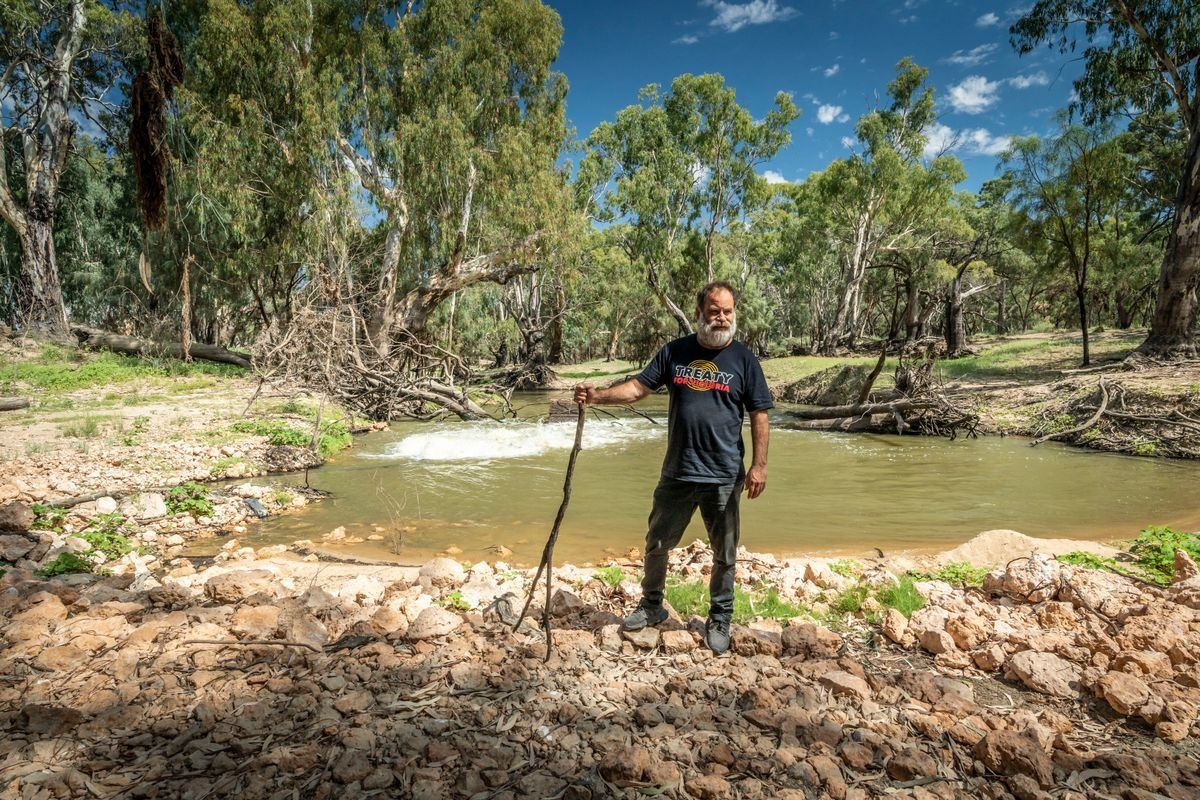
In 2007, the Echuca Declaration defined Cultural Flows as water entitlements "legally and beneficially owned by the Indigenous Nations of a sufficient and adequate quantity and quality to improve the spiritual, cultural, environmental, social and economic conditions of those Indigenous Nations" and inherent right.
The declaration also stated First Nations has always been and remains sovereign over its own lands and waters.
It added: "200 years of negligent and improper management of the lands and waters and denial of access to country has brought gross and widespread detriment to the cultural economy of the Indigenous Nations and degradation of significant landscapes and sites of spiritual and cultural importance".
The DCCEEW said it acknowledges the significant impact of colonisation on First Nations access to water, and that Indigenous people own less than 0.2 per cent of surface water entitlements at present.
The Federal Government announced a $100 million Murray-Darling Basin Aboriginal Water Entitlements Program "to help address these impacts" in October last year.
On the Cultural Flows grants, Environment and Water Minister Murray Watt said: "Through this program, we're able to support First Nations communities with the right support to access, own and manage water entitlements that will have Cultural, environmental, social, spiritual, and economic benefits."
Minister Watt also pointed to $60 million in funding already delivered through the entitlements program.
Committee on Aboriginal and Torres Strait Islander Water Interests interim chair, Kay Blades, said funding "supports ownership and management of water for cultural, spiritual, social, environmental and economic outcomes".
"Basin First Nations will be better positioned to take a stronger role in the ownership and management of water."



