



Tens of thousands are expected to gather at New Zealand's Parliament in Wellington on Tuesday as the Hīkoi mō te Tiriti convoys culminate in a protest against the Treaty Principles Bill.
This legislation has drawn significant opposition from Māori communities, who warn it could weaken rights established by the Treaty of Waitangi.
The protest convoy paused on Monday in Porirua, where RNZ reports around 1000 participants prepared for the final march by practising waiata, haka, and creating signs.
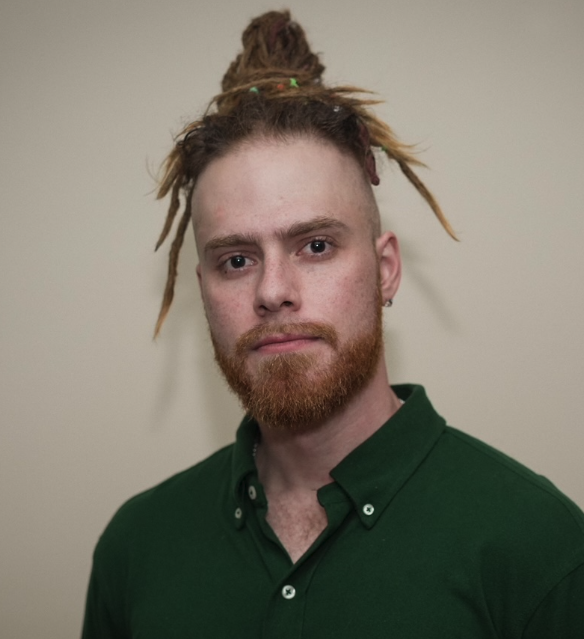
Among the participants was Te Koha O Te Moana Shortland, who described the event as marked by a strong sense of unity despite its serious purpose.
"For such a sad hīkoi, everyone here has like a really good wairua... it's a great day," Ms Shortland said.
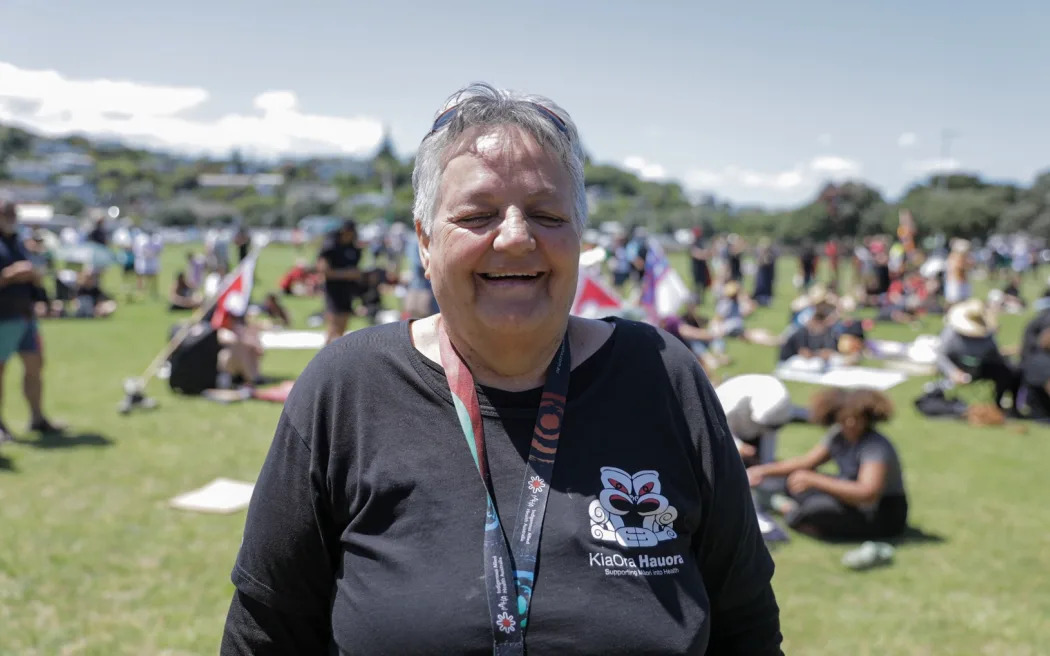
Also present in Porirua was 75-year-old Iris Pahau, a veteran of past Māori protests, including the 1975 land march led by Dame Whina Cooper.
Mrs Pahau told RNZ that she felt a deep emotional connection to the hīkoi as it reached Porirua, expressing her commitment to Māori land rights.
"For tangata whenua to be on tangata whenua land, it's beautiful...we're all going to be arm to arm on this hīkoi," she said.
Support for the hīkoi has also come from non-Māori allies, including Barbara Blake, a member of Te Tiriti is Us.
Ms Blake, who joined activities in Porirua, criticised the Treaty Principles Bill's architect, ACT leader David Seymour, for proposing a unilateral change to the Treaty.
"You can't break a bilateral agreement unilaterally, with just one party. That's wrong, that's legally wrong, that's morally wrong, and that's culturally wrong," she said, as noted by RNZ.
Meanwhile, RNZ reports that Mr Seymour responded by recognising the protesters' right to demonstrate but argued that their grievances were "misguided."
He added that he might address the crowd at Parliament, depending on the protest's atmosphere.
Adding to the voices of opposition, MP Chlöe Swarbrick spoke in Parliament last week about the systemic inequality Māori communities continue to face.
"When you're accustomed to privilege, equality feels like oppression," she said.
"Pick almost any statistic that you like. Housing, incarceration, health, life expectancy.
"Māori get unfair and unequal outcomes because of unfair and unequal treatment, which started with the crown's intentional violent actions to dishonour Tiriti or Waitangi."
Ms Swarbrick criticised the economic system, arguing that it commodifies people and resources, perpetuating inequity.
"This insatiable, unsustainable economic system needs to assimilate and acquire new frontiers to exploit," she said.
"It needs to turn every citizen into a consumer and to commodify our natural world."
In a significant gesture of support, the new Māori Queen, Te Arikinui Kuini Nga wai hono i te po, will attend the protest.
Breaking traditional mourning protocols, she aims to encourage unity between Māori and the Crown.
Her spokesperson, Ngira Simmonds, explained to RNZ that the Queen's presence is a call for immediate action.
"Her hope is for one of unity and immediate action rather than just continued prolonged conversation," Ms Simmonds said.
On Tuesday, the North and South Island groups plan to converge at Wellington's Waitangi Park before marching to Parliament.



