




Aboriginal Studies Press, the publishing arm of the Australian Institute of Aboriginal and Torres Strait Islander Studies, has featured a diverse range of texts to celebrate NAIDOC week.
Releasing six titles per year on average, the Press publishes a range of text types about First Nations Australians including scholarly articles, children's books, biographies, research papers and monographs.
This year's NAIDOC feature texts provide a variety of compelling reads by and about First Nations people.
In luwa tara luwa waypa (three kangaroos, three Aboriginal men), Palawa author David
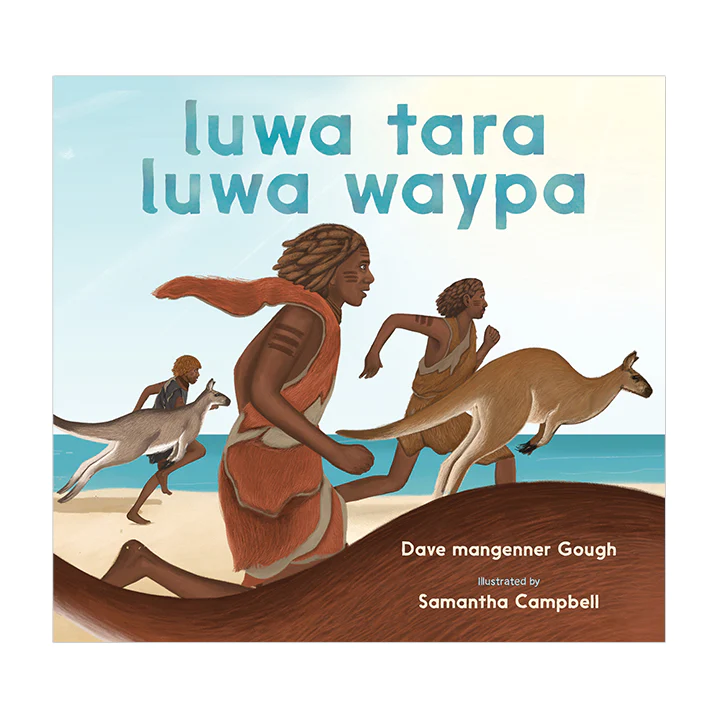 Luwa tara luwa waypa was released earlier this month.
Mangenner Gough tells the story of a courageous Tasmanian warrior called Niyakara on his transformational journey from boy to man.
Mr Gough was inspired by his country, ancestors and family to write the story, with the hope that after reading young people "understand our connection to land and animals and the importance of sitting with Elders at the fire".
The children's picture book includes vivid artwork of the Tasmanian landscape by illustrator and Dagoman woman Samantha Campbell, who's drawings complement the powerful language and compelling theme.
Luwa tara luwa waypa was launched earlier this month as part of NAIDOC celebrations at north-west Tasmania's Tiagarra Aboriginal Cultural Centre and Museum.
G is for gugunyal is an alphabet picture book that exposes readers to the 24 sounds of the Dhurga language.
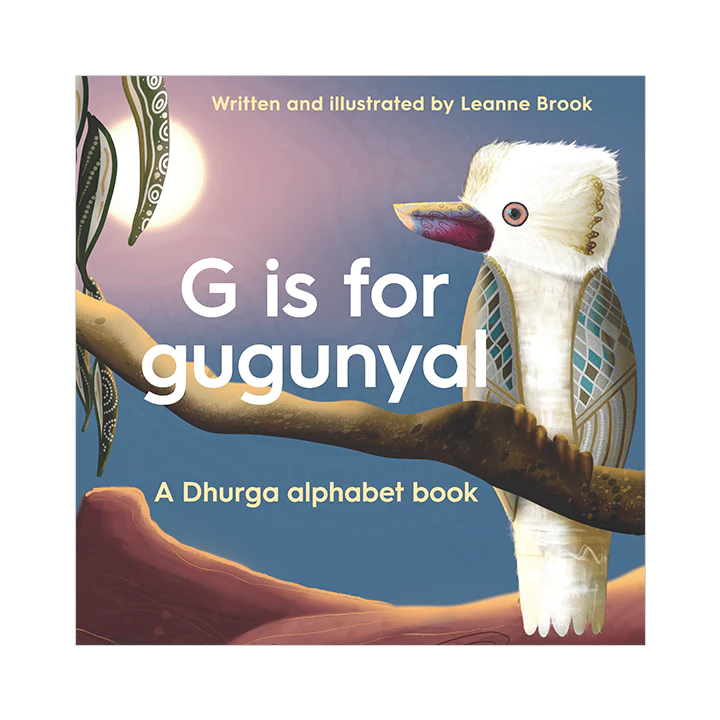 Author Leanne Brook was inspired to write G is for gugunyal through employment
Dhurga is one of four traditional languages spoken by the Yuin (Yuwinj) people between Nowra and Narooma on the south coast of New South Wales.
The text is written and illustrated by Murramarang Yuin woman Leanne Brook, who learnt Dhurga and subsequently produced the title after starting work at the Ulladulla Local Aboriginal Land Council.
"Fragments of Dhurga were kept by Elders and in books. Dhurga was sleeping; but is now being taught, learned and spoken by Yuin people", she said.
Published in late 2021, Nomad Girl tells the story of Anangu woman Kanakiya Myra Ah Chee.
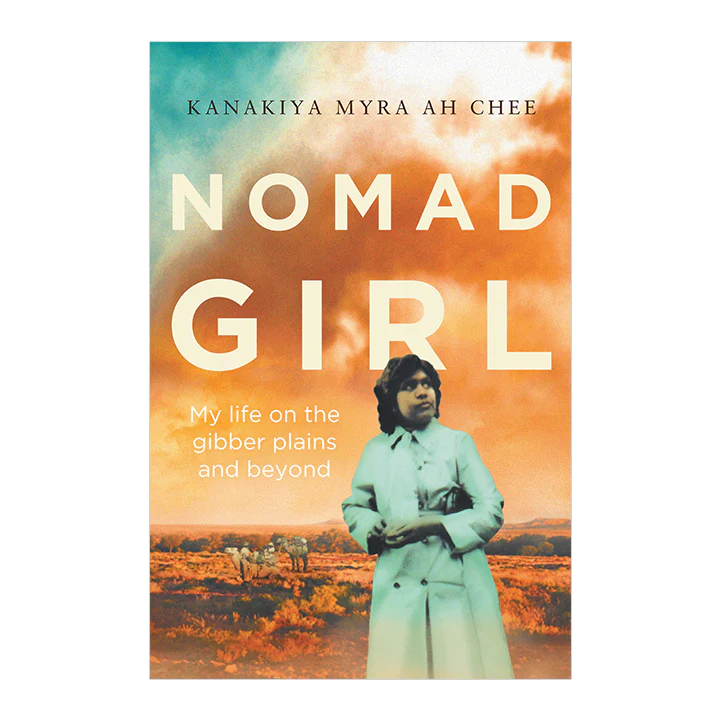 Nomad Girl has been described as a "moving story of strength and resilience".
Born in South Australia's remote outback town of Oodnadatta in 1932, the Anangu woman tells of her nomadic childhood upbringing on the Gibber Plains alongside her father after the tragic death of her mother.
In the text Myra explains how the combination of bush life and education changed her life forever.
"We have shown how it is possible to be successful in life, bringing both sides of our cultures into line," she said.
"I've straddled the old life and the new."
Walmajarri man and artist Jimmy Pike (1940-2002) is celebrated in the text Ngirramanujuwal: The Art and Country of Jimmy Pike.
Ngirramanujuwal can be translated to "one who adds colour."
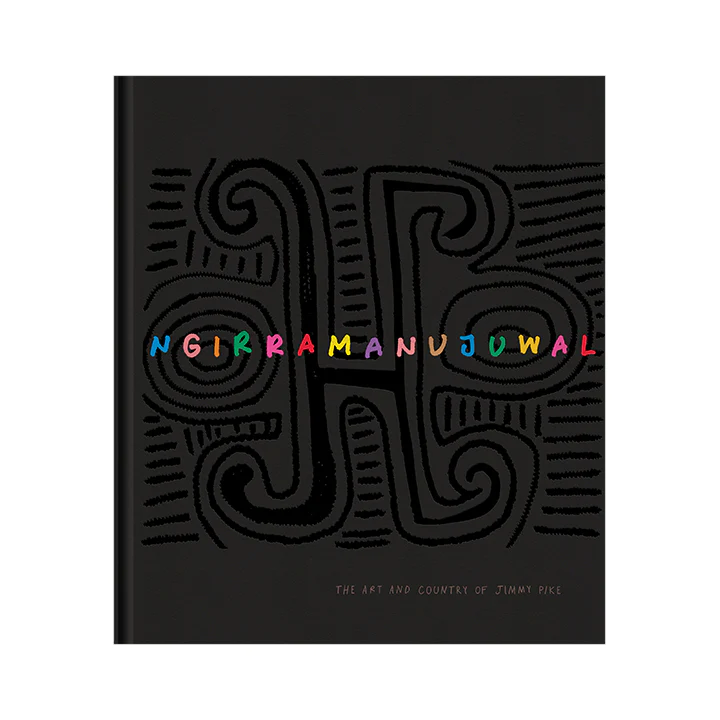 Jimmy Pike's art reveals the desert as "a place teeming with colourful life, history and stories."
To produce the book, selected pieces of the internationally renowned artist's work were chosen from AIATSIS' collection.
The text explores the intimate relationship that Pike had with Country, in particularly the desert, and how this was portrayed through his art using exceptional drawing, painting and printing skills.
All four texts can be purchased through the AIATSIS online shop.



