


A community-led research initiative centred in the Hunter region of New South Wales is showing how culturally grounded, strengths-based approaches can make a measurable difference in the lives of Aboriginal children, young people and families.
The Indigenous Game Changers Program, led by the Wonnarua Nation Aboriginal Corporation (WNAC) in partnership with Australian Catholic University (ACU), is focused on one clear goal: enabling Indigenous children and youth to not only succeed, but thrive across education, family and community life.
At its core, the program seeks to identify and strengthen the "game changers" that support positive outcomes for Aboriginal and Torres Strait Islander communities. Rather than working from a deficit model, the research is grounded in Indigenous voices, cultural knowledge and community priorities, ensuring that solutions are developed with, not for, the people they are designed to benefit.
Professor Rhonda Craven, Director of ACU's Institute for Positive Psychology and Education, says the partnership demonstrates what is possible when universities and Aboriginal organisations work together.
"By focusing on education, family, community and psychological wellbeing, we are closing gaps and building pathways for children and young people to flourish from preschool through to university and into employment," she said.
One flagship initiative is Deadly Primary Teaching, which addresses the persistent attendance gap for Indigenous primary school students. The program provides teachers with professional learning grounded in research and co-developed with Indigenous communities. By strengthening culturally responsive teaching, the project aims to lift attendance, engagement and emotional wellbeing, laying the foundations for long-term educational success.
Early literacy is another major focus. Deadly Home Reading equips parents and carers with practical, evidence-based strategies to support shared reading at home. The program aims to boost children's literacy, oral language, motivation and confidence, recognising the central role families play in early learning.
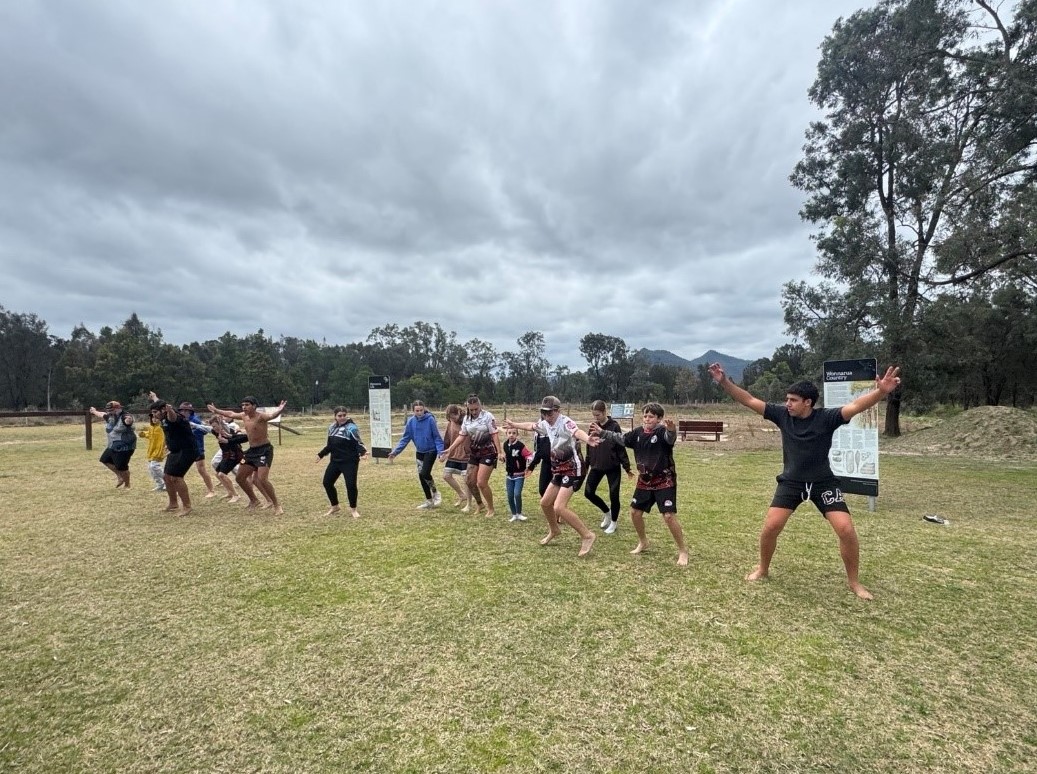
For older students, Deadly Cultural Connection delivers in-school workshops and cultural camps, facilitated by Waagan Galga, that reconnect young people with Country, Elders and community. Through storytelling, cultural activities and exposure to Indigenous role models, the program strengthens self-concept and motivation while supporting clearer educational and career pathways.
The program extends into higher education through Deadly University, a research project examining the barriers and enablers affecting Indigenous students' university completion. Using surveys, longitudinal data and Indigenous-devised strategies, the project aims to improve retention, completion and long-term socio‑economic outcomes.
Meanwhile, Deadly Futures targets persistent literacy and numeracy gaps by offering culturally responsive after‑school online tutoring, particularly supporting children in regional and remote areas. Alongside academic skills, the program builds wellbeing, cultural connection and confidence.
WNAC chief executive Laurie Perry says the urgency of the work cannot be overstated.
"We have an unprecedented opportunity to enable our children's success in education. We cannot afford to wait for another generation. This community-led research shows how working together can and will make a real difference," he said.
With outcomes aimed at improved attendance, stronger literacy and numeracy, smoother transitions to work and study, and a strengthened sense of Indigenous identity, the Indigenous Game Changers Program is positioning the Wonnarua community - and potentially communities beyond - for a stronger, more self-determined future.
Want to learn more? Register your interest here: Indigenous Game Changers Program.



