



The First Peoples Disability Network of Australia has called for National Disability Insurance Scheme (NDIS) reforms to focus on better supporting Aboriginal and Torres Strait Islander people.
It comes after NDIS Minister Bill Shorten spoke at the National Press Club on Tuesday, outlining plans for serious and systemic reform to ensure the decade-old National Disability Insurance Scheme's long-term effectiveness.
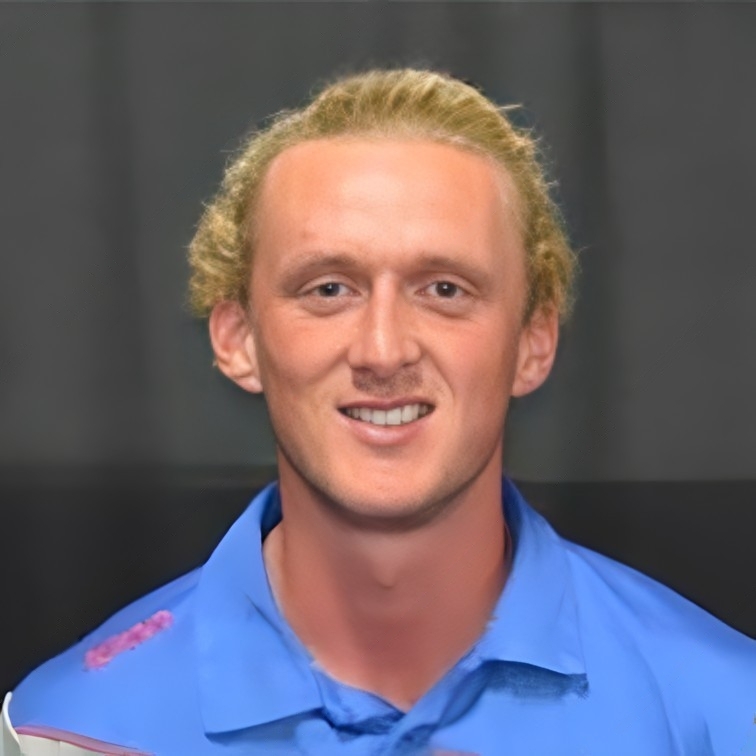
First Peoples Disability Network Australia chief executive and proud Worimi man Damian Griffis said only a fraction of Indigenous Australians with a disability are currently NDIS participants.
"We estimate that there are more than 60,000 Aboriginal and/or Torres Strait Islander people with disability who should be participating in the NDIS, but the current number is much lower than that," he said.
Mr Griffis said in addition to years-long waiting lists to access a NDIS assessment, First Nations peoples also experience geographical and cultural barriers which make NDIS access more challenging.
"The complications of living in regional, rural or remote areas means often the only disability services available to Mob are hundreds of kilometres from where they live with no allowance made for transportation to access these essential services," he said.
"The tyranny of distance is enough of an issue, but throw in the lack of cultural safety in mainstream disability services and you have another compounding factor in Mob not participating in the NDIS."
On Tuesday, Minister Shorten announced systemic NDIS reform including increasing the National Disability Insurance Agency workforce, addressing spiralling costs, introducing long-term plans, reviewing supported independent living arrangements and targeting criminal syndicates rorting the system.
He said reforms would be centred on improving the experience of participants and maximising funds for their benefit.
"The NDIS saved the disability system from collapse ... It is the difference between a life and living death for many vulnerable Australians," Mr Shorten said.
Mr Griffis said many of the issues raised by Mr Shorten were not just important to be addressed through NDIS reform, they were also obligations for the federal government via Closing the Gap, and called on Minister Shorten to ensure change happens on the ground, not just in head office.
However, he did welcome a crackdown on both large organisations and small businesses rorting the NDIS by charging a "wedding tax" when delivering goods and services via NDIS plans.
"It's nothing short of theft from some of the most disadvantaged Australians when overcharging people just because they are accessing NDIS funds for a good or service," Mr Griffis said.
"Pursuing these unscrupulous and unethical people and businesses makes sense and will hopefully mean more people will be able to access the NDIS, especially those from First Nations backgrounds who really live with the double disadvantage of being both disabled and Indigenous."
In highlighting the human and economic return in investing in the NDIS, Mr Griffis said a well-funded disability support system was a critical element in ensuring First Nations people with disabilities thrive, not just survive.
Every dollar spent as part of the NDIS returns $2.25 to the Australian economy. That's real-life impact that changes lives, ensures human dignity and human rights are valued and protected and means First Nations people with disabilities can thrive, not just survive," he said.
Mr Griffis said he looked forward to FPDN working closely with Minister Shorten and the National Disability Insurance Authority (NDIA) in improving the NDIS for all disabled people.
"When you get things right for our people and overcome the double disadvantage that disabled Indigenous people face, you invariably improve things for everyone," Mr Griffis said.
13YARN 13 92 76
Aboriginal Counselling Services 0410 539 905



