




Governments are being urged to abandon fear narratives and return to evidence-based approaches, with advocacy bodies warning the latest Closing the Gap data reflects the "daily reality" for many Aboriginal and Torres Strait Islander people.
Data released this week by the Productivity Commission shows only four targets are on track to be met, with five improving but not on track and two showing no change.
Four key measures — suicide, incarceration, developmental outcomes and children in out-of-home care — are worsening.
In response, First Nations organisations have called for a major shift in policy settings across federal, state and territory governments, warning current approaches will not meet targets by 2031.
Punitive policies are driving worsening outcomes
Nerita Waight, acting chair of the National Aboriginal and Torres Strait Islander Legal Services, said governments are continuing to pursue policies — including refusing to raise the age of criminal responsibility, harsher bail laws and 'adult crime, adult time' laws — that are driving up incarceration rates, "all in the name of political point-scoring".
"That's why the Federal Government must take decisive action," Ms Waight said.
"There are levers to pull in terms of the funding agreements with state and territories that will drive real policy change and improve the lives of Aboriginal and Torres Strait Islander people, especially our children."
.jpg)
In 2025, the national imprisonment rate reached 2,500.2 per 100,000 Aboriginal and Torres Strait Islander adults — 16.7 times that of non-Indigenous adults. For children and young people, the disparity is a staggering 23.4 times higher.
While the federal government has maintained youth justice settings are a state responsibility, legal advice obtained last year has challenged that position.
"Closing the Gap targets are not meant to be suggestions," Ms Waight says. "Governments should be doing everything in their power to improve the lives of Aboriginal and Torres Strait Islander people and achieve real equity."
Child outcomes deteriorating
The latest data shows worsening outcomes in early childhood development.
The proportion of Aboriginal and Torres Strait Islander children assessed as developmentally on track across all five domains has fallen to 33.9 per cent, down from 35.2 per cent in 2018 and more than 20 percentage points below non-Indigenous children. In remote areas, the figure drops to 16.5 per cent.
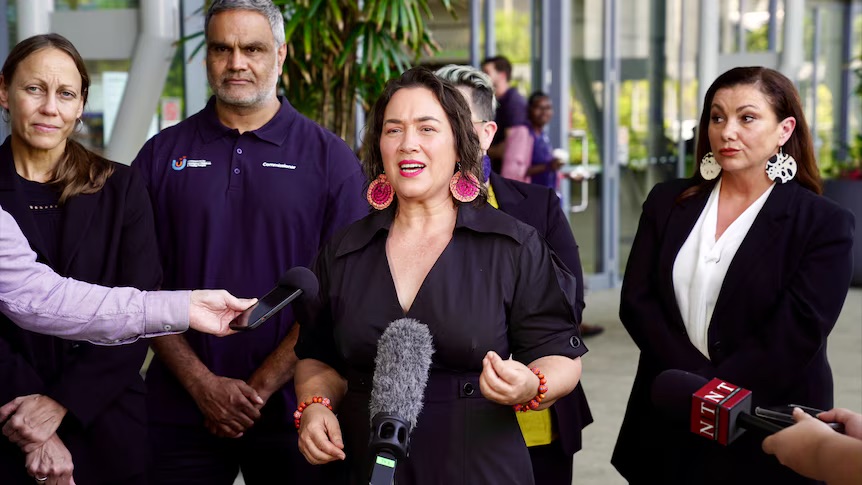
Catherine Liddle, chief executive of SNAICC - National Voice for our Children, called on governments must urgently recommit to agreed reforms, particularly those supporting children and families.
"There is a wealth of programs that are working on the ground to close the gap for our children, yet government backing is haphazard and often short term," she said.
"The Connected Beginnings and Early Years Support programs are evidence of community-based and controlled approaches that work yet support is inconsistent and insecure."
Progress on healthy birthweight has also stalled, now showing no improvement from the 2019 baseline. It is a "devastating" revelation, Ms Liddle says.
"It shows that systems are not delivering the support our families need from the very beginning," she argues. "The continued decline in developmental outcomes should be a wake-up call. When children are falling behind in social, emotional and cognitive development, it tells us the system is failing them."
Reiterating comments from across the sector, she added: "Governments across the country have dropped the ball on our children, and the consequences are being felt every day."
'Daily reality' in communities
In the Northern Territory, the data from Wednesday is some of the worst in the country. Across numerous metrics, the gap continues to widen.
More than half of Aboriginal people in the NT live in poverty, while 43 per cent live in overcrowded housing, alongside some of the highest incarceration rates in the country for both adults and children.
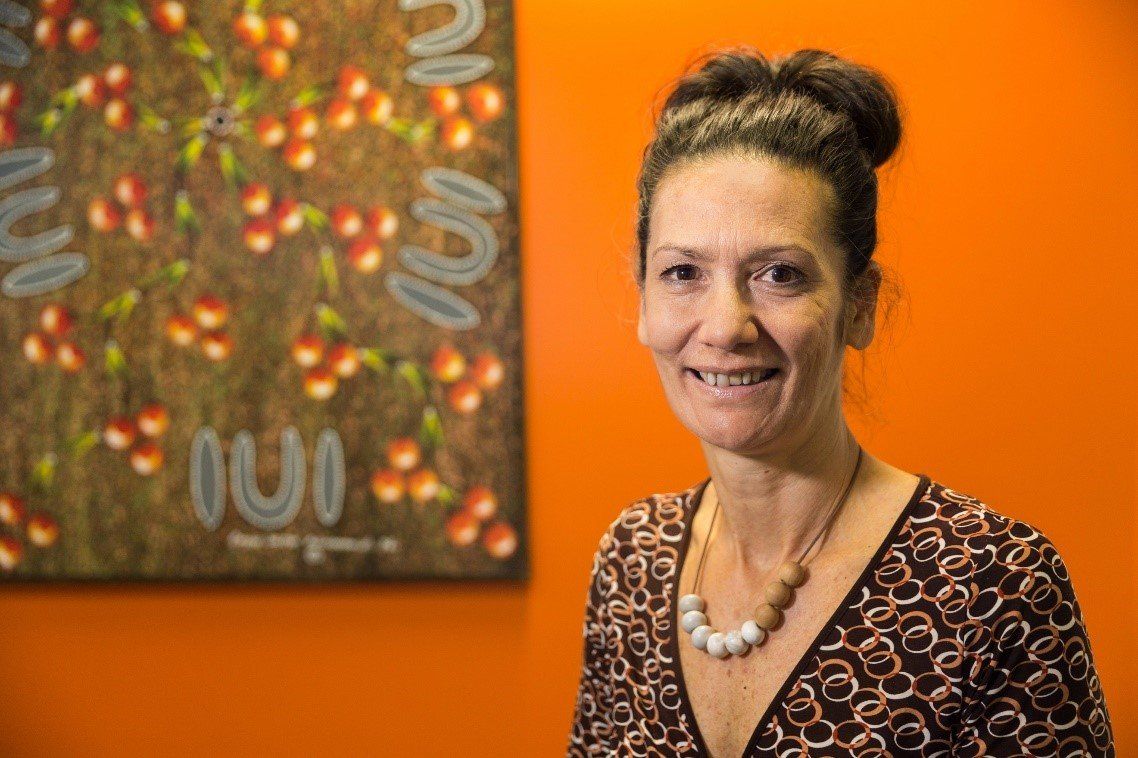
Donna Ah Chee, chief executive of the Aboriginal Medical Services Alliance Northern Territory (AMSANT), said the data reflects entrenched disadvantage. For many Indigenous people in the NT, she notes, these statistics are nothing more than a reflection of what they already know and experience daily.
"AMSANT is clear that strengthening the Aboriginal community-controlled sector must remain central to Closing the Gap," she said.
"We have a proven model: when Aboriginal organisations control the design and delivery of services, people are more likely to access care, trust the system and stay connected to support."
A government spokesperson said the data "reinforces the need for all governments and Coalition of Peaks partners to continue working together" under the national agreement, noting outcomes vary significantly across jurisdictions and are worse in remote areas.
However, Independent senator Lidia Thorpe has called for stronger accountability measures, including financial penalties for jurisdictions that fail to meet commitments.
"Until accountability is built into the system, and until the Federal Government takes responsibility and does its job, Closing the Gap will remain a fundamentally ineffective framework that fails our people," she said.
"National leadership means stepping in and ending harmful policies. The Albanese Government needs to act."
For Ms Waight, the solutions are already well understood by Aboriginal communities. But the political will remains lacking.
"When are states and territory governments going to realise that over-policing Aboriginal communities and making it easier to lock children up is making communities more dangerous and making outcomes worse?" she asked.
"We need the Prime Minister to step up and show leadership, because right now, states and territories are in an appalling race to the bottom, and our communities have the most to lose."



