


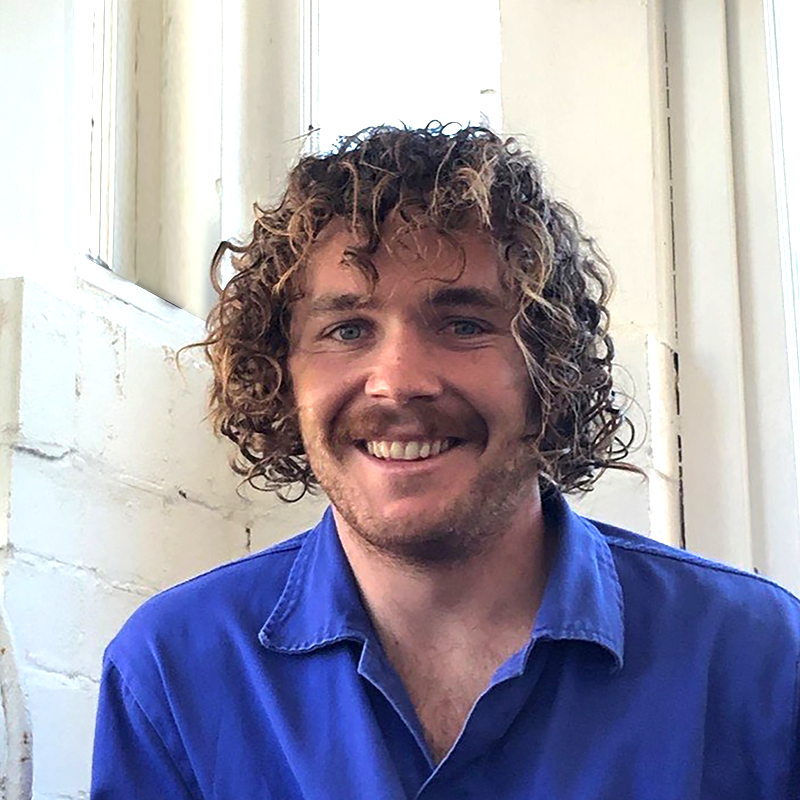

Wurundjeri Ngurungaeta Murrundindi felt a deep connection with his ancestors, their birthplace and the site they called home from the first time it was under his feet.
It's a connection he's welcomed, carried and imparted for the majority of his life.
"In 2006 my uncle left me his title of Ngurungaeta, meaning (Wurundjeri) head man," he told National Indigenous Times.
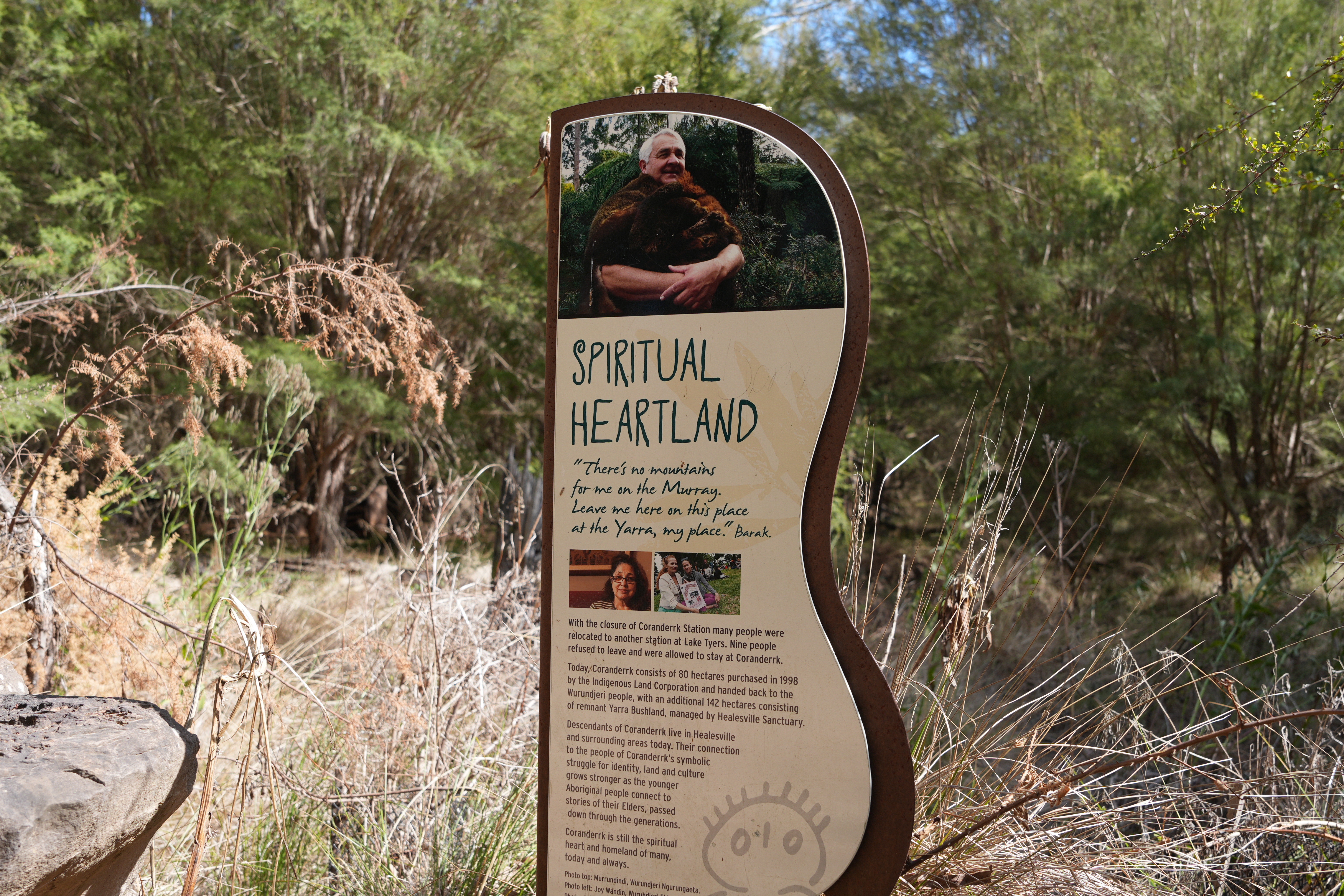
At 79, Murrindirri celebrated 40 years of service at Healesville Sanctuary, on the same site as Coranderrk Mission, where he's worked sharing Wurundjeri knowledge and history for decades - plants, foods, animals, language and customs.
Born on-Country, albeit in "brick city" North Melbourne, it started from a young age.
Western education wasn't a major presence in his early life. "I found it very difficult to read and write up until the age of 40" he said, but he always took to what's become a love and responsibility.
"I was the middle son, and I was the one always hanging around my grandparents and my parents, and always with my mother and my grandmother wanting to know about culture, wanting to know about history," Murrundindi said.
He made spears and boomerangs in the back shed, taking on the cultural knowledge and his late parent's encouragement for respect for all people and cultures, something he says is vital for everyone, including his father's side's Scottish background.
Murrundindi's mother was the last Aboriginal woman born at Coranderrk Mission, he said.
His name means 'home up in the mountain' in Woi Wurrung.
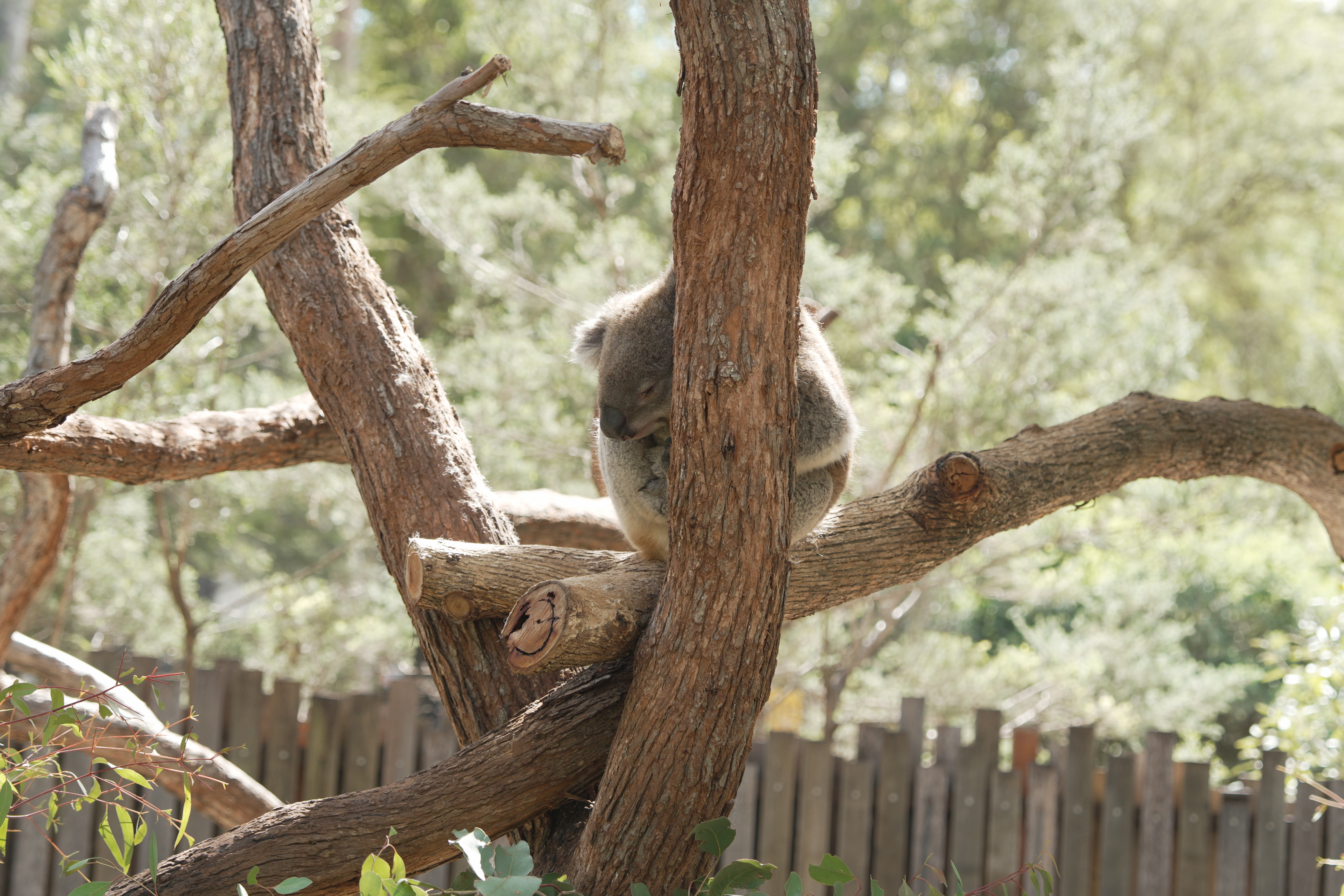
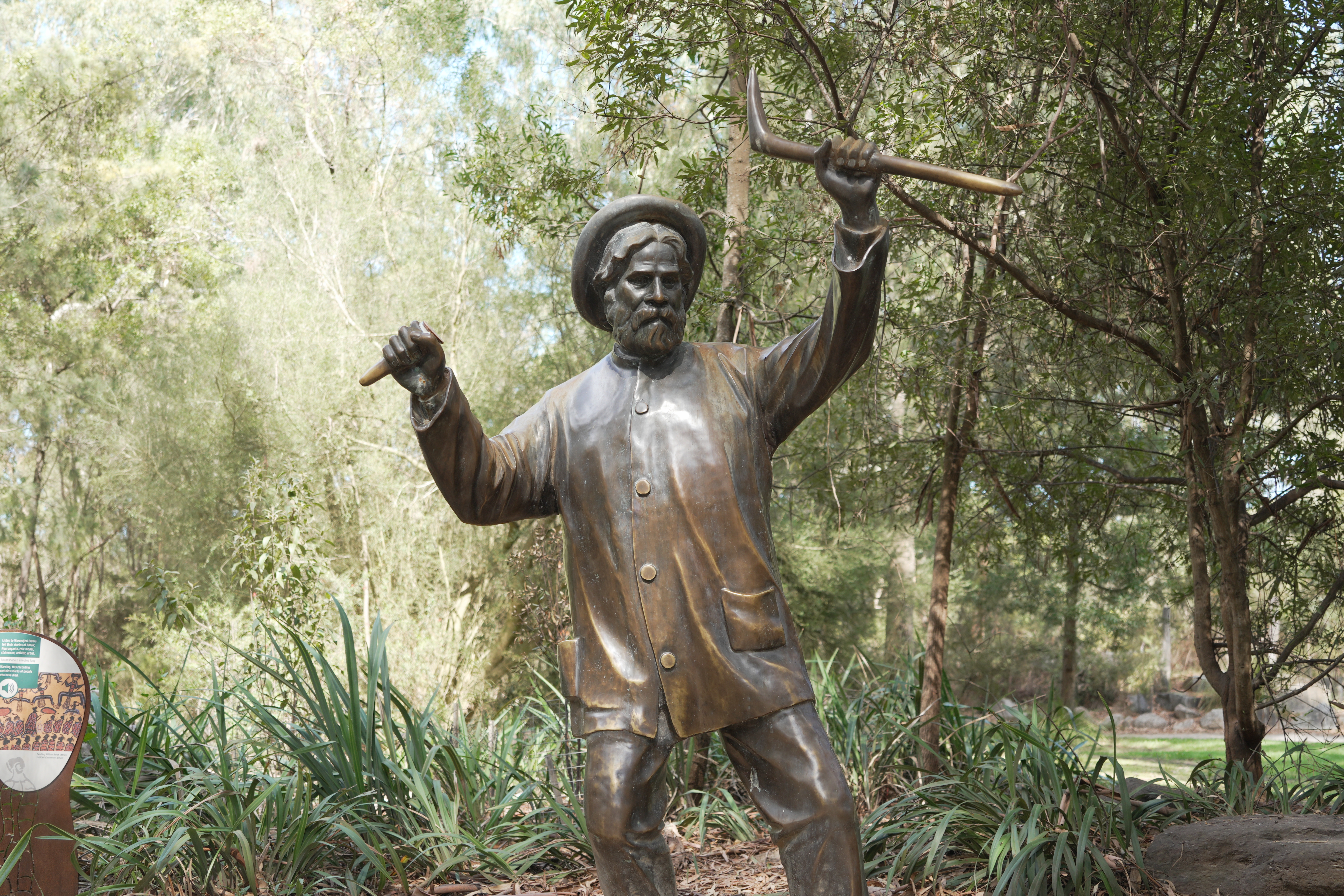
"Every time I'd come up to Healesville to visit my grandmother I'd always go out in the bush with her. She'd take me fishing. We'd make spears up here. We had so much fun.
"I remember, as a little boy growing up, when I was up here (in Healesville) with my grandmother I felt home," Murrundindi added, "and then we'd go back to what I call brick jungle…in a housing division estate, I wasn't happy there. I wanted to be up here all the time because the land is my life…I call the land my mother. I respect her."
He says a lot of progression to culture, the land and environment has been made through the years, particularly in the last decade and a half.
"I love what I do", Murrundindi said, still coming to the Zoos Victoria Sanctuary every Sunday and for school tours, sharing culture and his country Murundindi calls a "supermarket".
"I have parents who come here today and I taught them in kindergarten. They're bringing their children just to see me. That makes me feel very honoured. We've for that generation coming through - they want to learn about culture and history.
"I pick up on energy and I just talk about what comes into me."
A mum once told Murrundindi he saved her daughter and a friend's life with his food knowledge and survival skills he taught them as school children after getting lost in the Grampians.
On March 19, friends and colleagues current and through the years celebrated Murrundindi's 40 years at the Sanctuary.
Sanctuary Director Ross Williamson said he's been a "guide and teacher on our journey to learn".
"It's wonderful to see how he connects with people and makes them feel special. They always leave with a greater respect for the Wurundjeri People and their connection to this Country," Mr Williamson said.
"I know that everyone that has worked with Murrundindi thanks him for everything he has so generously given us and wishes him well for the future."
Donna Paterson says it's been an "honour" to know and work with someone who's become a dear friend with a "cheeky smile" she hopes sticks around for years to come.
"Wurundjeri culture is deeply woven into the fabric of Healesville Sanctuary and providing opportunities to integrate learning into the event and tourism space has been a privilege."
Murrundindi's work is a major contributor to the sanctuary's three consecutive Victorian Tourism awards Aboriginal & Torres Strait Islander Tourism Experiences.
"As long as I teach culture, my diary is booked out for the rest of my life," he said.



