


For 60 years, Coranderrk Aboriginal Station was home to First Nations people from across Victoria.
Between 1863 and 1924, the mission was a site of work and life.
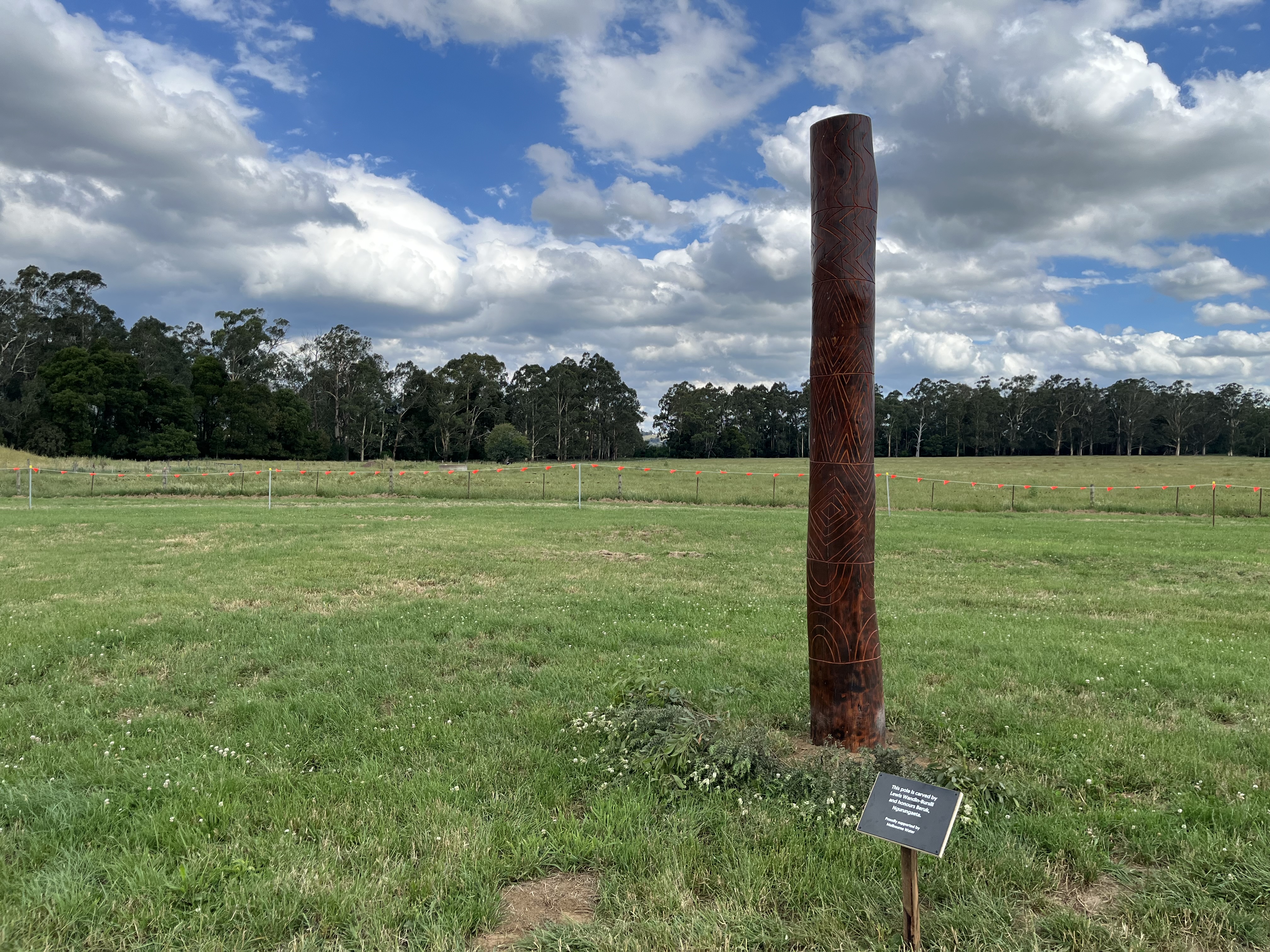
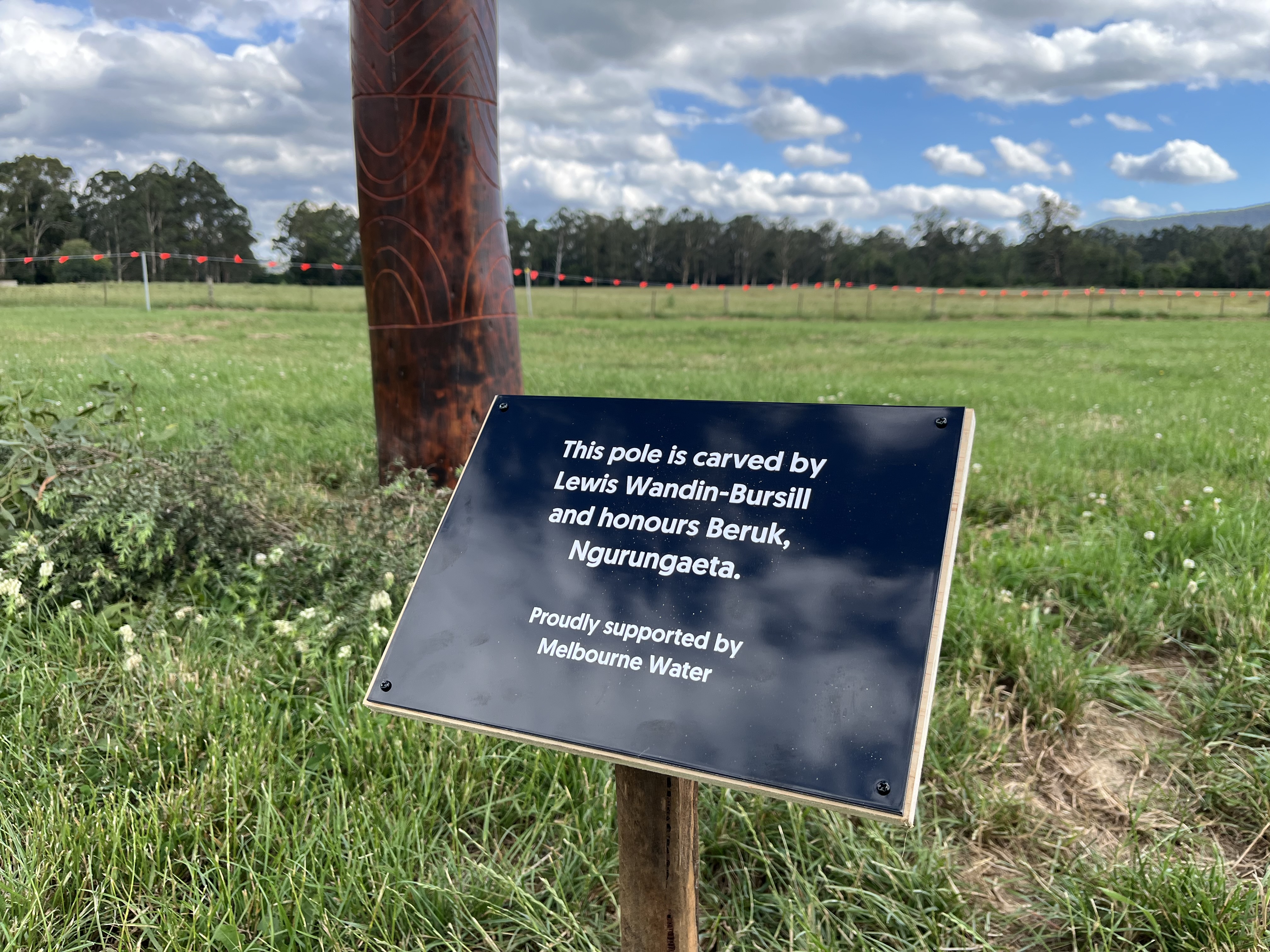
It was established after calls to Governor Henry Barkly for a home for Kulin, led by Clan leaders Simon Wonga and William Barak (born Beruk), following dispossession and displacement by colonial forces.
It's still regarded as a historical site of self-determination for First Peoples.
Kulin people and the broader Aboriginal community gathered to commemorate, remember and reflect on 100 years since the closure of Coranderrk Aboriginal Station in Healesville on Saturday for yalingbuth yalingbu yirrimboi.
The event also celebrated the 200th anniversary of Barak's birth.
"What I say about Coranderrk; I have four words. I say that there has been tragedy, there has been triumph, there has been struggle and there has been success," Woi Wurring Elder and Wandoon Estate Aboriginal Corporation director Jacqui Wandin told National Indigenous Times.
WEAC manages the 200 acres of land of the station.
Ms Wandin said, first and foremost, "we are honoring our ancestors" with the event - yalingbuth yalingbu yirrimboi.
"We are honoring the people that stood here, that worked here, that had to go through the most horrific times in Victoria's history, but they still managed to make it work," she said.
"I've invited Kulin people here today so they can call for their ancestors, and it's about continuing, really, great friendships between our tribes as well."
Deterioration of living conditions at Coranderrk under management by Board for the Protection following the resignation of John Green in 1874 led to ongoing protest and petition by Aboriginal people - and eventually a Parliamentary Inquiry into Coranderrk in 1881.
Barak - who had become ngurungaeta (Woi Wurrung clan leader), Thomas Bamfield, Robert Wandin and others led several delegations to Melbourne - a 60 kilometre journey, to speak with politicians and officials advocating for their home.
In 1864, early on in Coranderrk's history, Simon Wonga presented an address and gifts to British Queen Victoria, via Governor Barkley, and received a letter of thanks in return.
Aboriginal people at Coranderrk understood the return letter to have permanently handed the land over to them, which instead remained in Government control.
The passing of the 'Half-Caste Act' in 1886 led to further tragedies, with many forced to leave Coranderrk. The number of residents continued to fall over the decades with land at the station carved off by authorities, before the station's closure in 1924.
On Saturday, Ilbijerri Theatre Company performed a piece of it's production of CORANDERRK, narrating the mission's history, the Inquiry, and its aftermath.
The verbatim retelling of the evidence given by Aboriginal people who called the station home, outlining their stories of self-determination and requests for Green - a Scotsman appointed superintendent of Coranderrk by the Government who had favoured self-management by residents and is still described as an ally, to be reinstated as manager there.
It's the second time the play was performed at the site.
Wathaurong-Ngarrindjeri playwright and actor in CORANDERRK Glenn Shae told National Indigenous Times "I think this is one of the most significant stories in the state of Victoria".
"We can be here to be able to tell this story again today, to be able to pay homage and respect to Barak and all those other community members from different language groups around the state of Victoria who were placed onto Coronderrk, who walked into Melbourne to put the petition before the chief secretary and the politicians of the day back then," he said.
Mutti Mutti musician Kutcha Edwards performed later in the evening.
"What we're doing here today, really, first and foremost, we are honoring our ancestors. We are honoring the people that stood here, that worked here, that had to go through the most horrific times in Victoria's history, but they still managed to make it work," Jacqui Wandin said at yalingbuth yalingbu yirrimboi.
"I've invited Kulin people here today so they can call for their ancestors, and it's about continuing, really, great friendships between our tribes as well."
On Saturday Jacqui's sister, Brooke Wandin, said "today is about everyone and anyone that ever lived here at Coranderrk".

"Of course, we remember and we reflect the leaders Beruk and Wonga, but there were so many other people that were here, so many other mobs represented. To me, it represents true reciprocal relationships and true collaborations, because other mobs defended this place, other mobs defended Wurundjeri country against colonisation.
"We hope we bring that spirit and that energy with us today."
The last Kulin resident died in 1944.
In 1991, the Coranderrk cemetery was handed back to the Wurundjeri people, and over the next decade, an additional 119 hectares of the land was acquired by the Kulin people.
Yoorrook Justice Commissioner and deputy chair Sue-Anne Hunter's nan, a descendant of William Barak, was the last woman born at Coranderrk.
"There's a strong connection (to the mission) for most mob around the state," Commissioner Hunter told National Indigenous Times.
"It's quite significant that it was home to a lot of people, and the fact that we got this land back and that we can still visit and a lot of people call it home, whether it's actually their country or not."
Thinking about the impact and legacy of the site, 100 years, Jacqui Wandin is contemplative, noting the "very special presence" that flows across the hills.
"As my father just said…'I can hear the vibration through the trees. The ancestors are listening'," she said.
"How hard William Barak and those descendants and residents fought for this place. Barak was very hopeful for the continuation of Woi Wurrug."
For the future, she added "I just want to really make sure that they know we are here. They know that we are making it work. And I want to say that we are still showing the Country."



