




Traditional Owners and members of Gur A Baradharaw Kod Torres Strait Sea and Land Council Torres Strait Islander and Aboriginal Corporation gathered on Waiben (Thursday Island) on 15 and 16 January 2026 for a Sea Rights Gathering held alongside the 90th anniversary of the 1936 Torres Strait Islander Maritime Strike.
The gathering set out a series of principles to guide work on protecting, managing and asserting rights and responsibilities over Sea Country:
Recognition of Ancestral Custodianship
Participants affirmed an inherent and continuing connection to Sea Country through bloodlines, law and custom, and framed rights to sea, reef and marine estates as inherited and asserted rather than granted.
Sea Rights are Human Rights
Access to, and control over, Sea Country was described as central to identity, livelihoods, cultural survival and food security, with a call for sea rights to be embedded in national and regional policy.
Self-Determination in Sea Governance
Decisions about Sea Country must be made with Traditional Owners and by Traditional Owners, backed by governance frameworks that support Indigenous-led structures.
Caring for Sea Country as Cultural Obligation
Caring for Sea Country was framed as an unbroken responsibility carried from ancestors, with a commitment to culturally grounded and ecologically sustainable approaches to marine protection, fisheries management and reef conservation.
Intergenerational Knowledge and Youth Empowerment
Intergenerational transfer was positioned as essential so young people grow up knowing sea laws, languages, totems and responsibilities, with youth placed at the centre of future Sea Country leadership.
Stronger Alliances and Shared Voice
Plans were outlined to continue building a Northern Sea Alliance of Traditional Owner groups from the Kimberley, Top End, Gulf of Carpentaria, Cape York and the Torres Strait to advocate for sea rights across policy and government.
Truth-Telling and Historical Justice
The gathering linked sea justice to the legacy of the 1936 maritime strike, framing it as part of an ongoing fight for fairness, dignity and autonomy.
GBK Chair Mr Ned David has described the strike as a collective and organised decision by maritime workers to withdraw their labour.
"We are gathered here today not to simply remember an event, but to honour a decision," he said.
"In 1936, Torres Strait Islander maritime workers made a choice... they chose dignity over compliance; unity over isolation; autonomy over control."
"This was not a spontaneous act, it was deliberate, it was organised and it was collective."
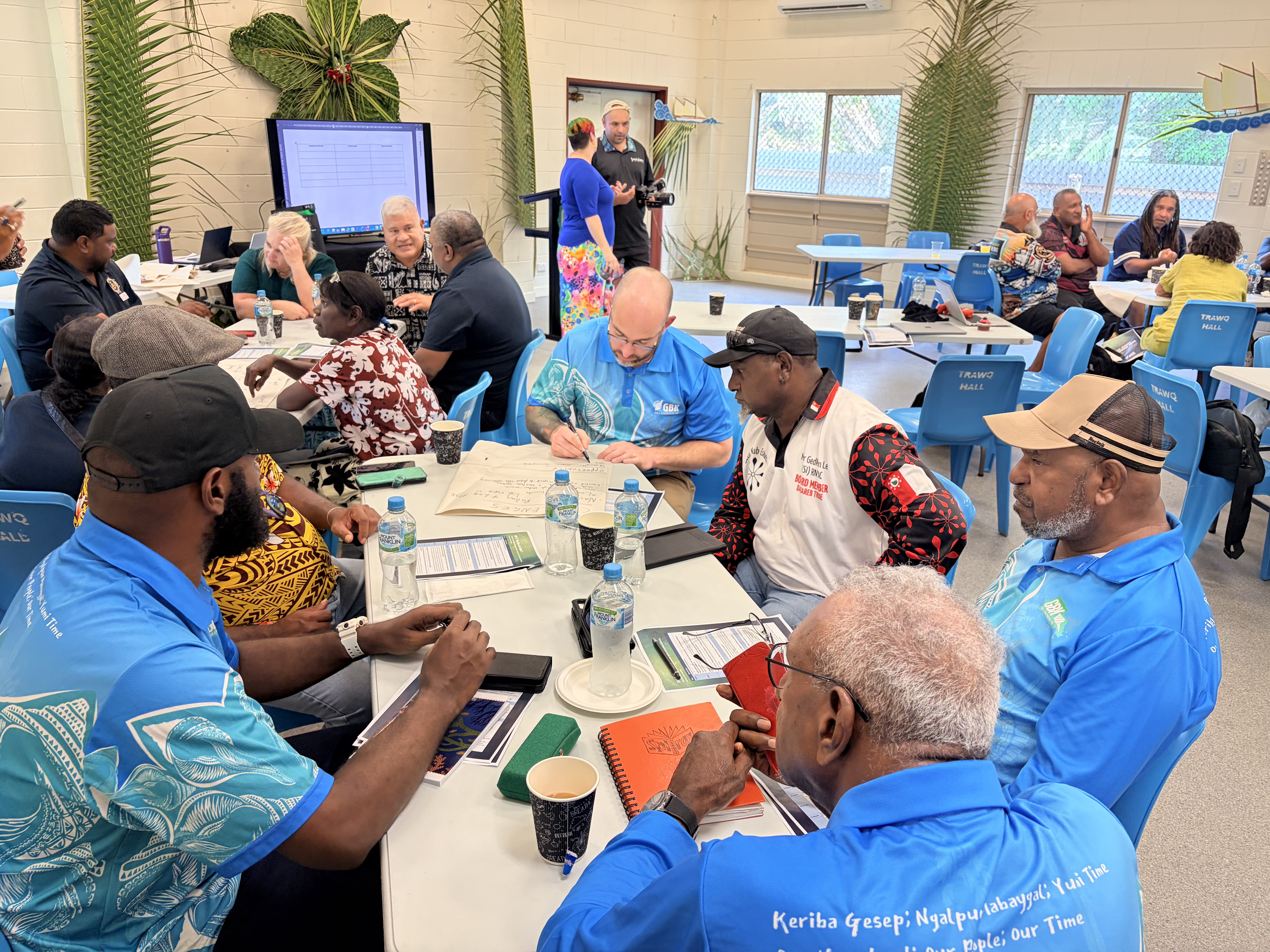
The gathering also pointed to Akiba v Commonwealth [2013 HCA 33], in which the High Court unanimously ruled that Commonwealth and Queensland laws regulating commercial fishing did not extinguish native title rights to take fish and other marine resources for commercial purposes.
The Court found the regulations limited how the right could be exercised rather than removing the right itself, affirming that Torres Strait Islander people retain the right to take resources for any purpose, including trade.
A national campaign was flagged to have Sea Country rights recognised and embedded in legislation.
Key priorities listed included cultural and commercial fishing under native title, co-governance of marine territories alongside government agencies, and access to funding and infrastructure to care for Sea Country.
Participation as Indigenous rightsholders in national marine, climate and fisheries policy was also listed.
Traditional Owner decisions on mining and extractive activity on Sea Country were framed as requiring protection from coercion or override by third parties or government bodies.
The gathering ended with a call for governments, agencies and allies to work with Traditional Owners to recognise Sea Country rights in practice.



