



Sea level rise and climate change impacts are threatening the people of Walande, an Indigenous community in Solomon Islands.
Despite relocating from their island home to escape these effects, they remain at risk.
Walande, a community of approximately 800 people, was originally situated on a small island off the coast of South Malaita.
For decades, residents endured cyclones and storms, continually rebuilding their homes.
However, devastating "king" tides in 2009 forced the entire community to relocate to the mainland.
Former Walande chairman Mr Robert T. described the difficult decision to leave
"We left because we did not know where else to go," he said.
"We had to move to safety. The only alternative for us was the mainland."
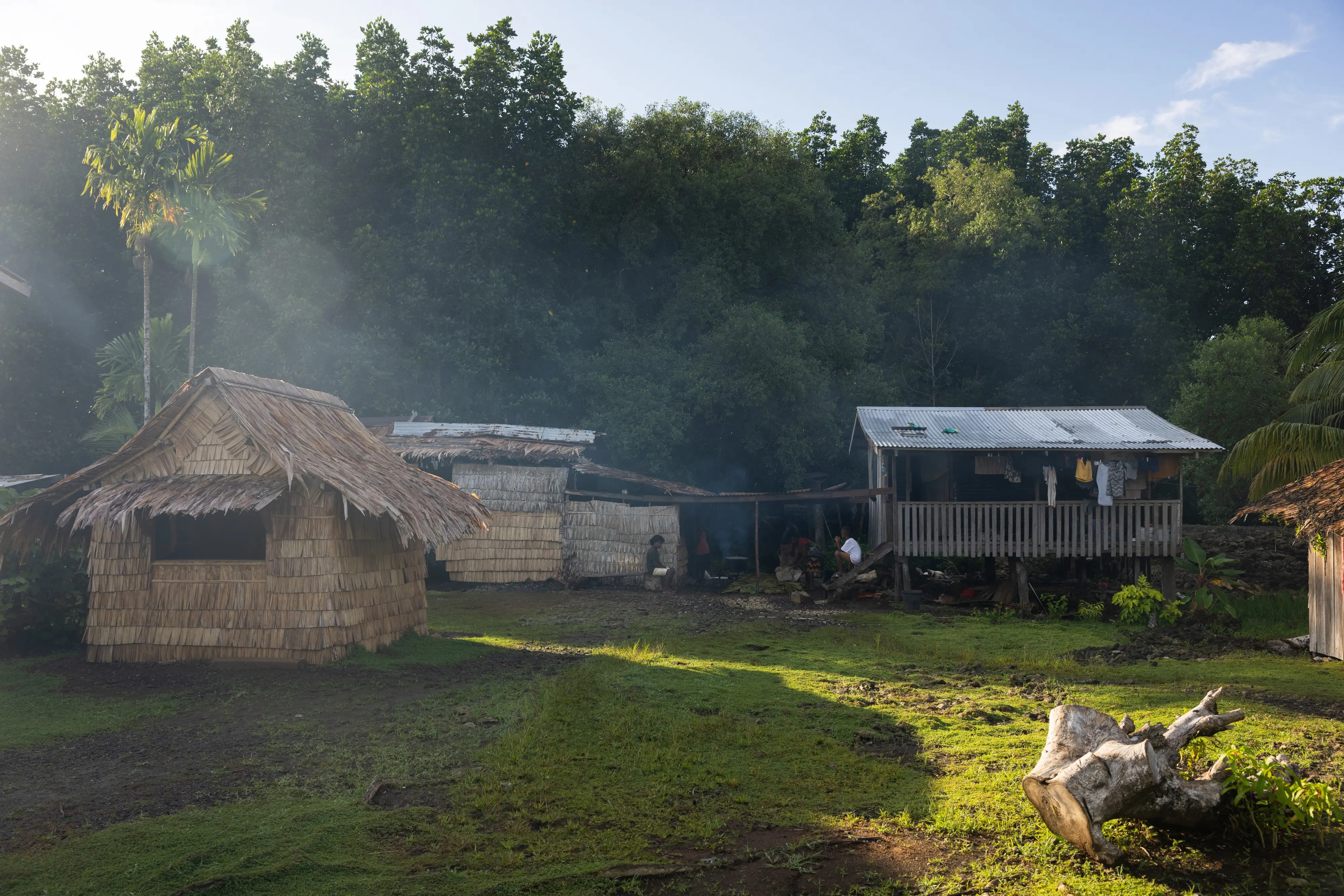
The relocation was largely self-financed and executed without government or international assistance.
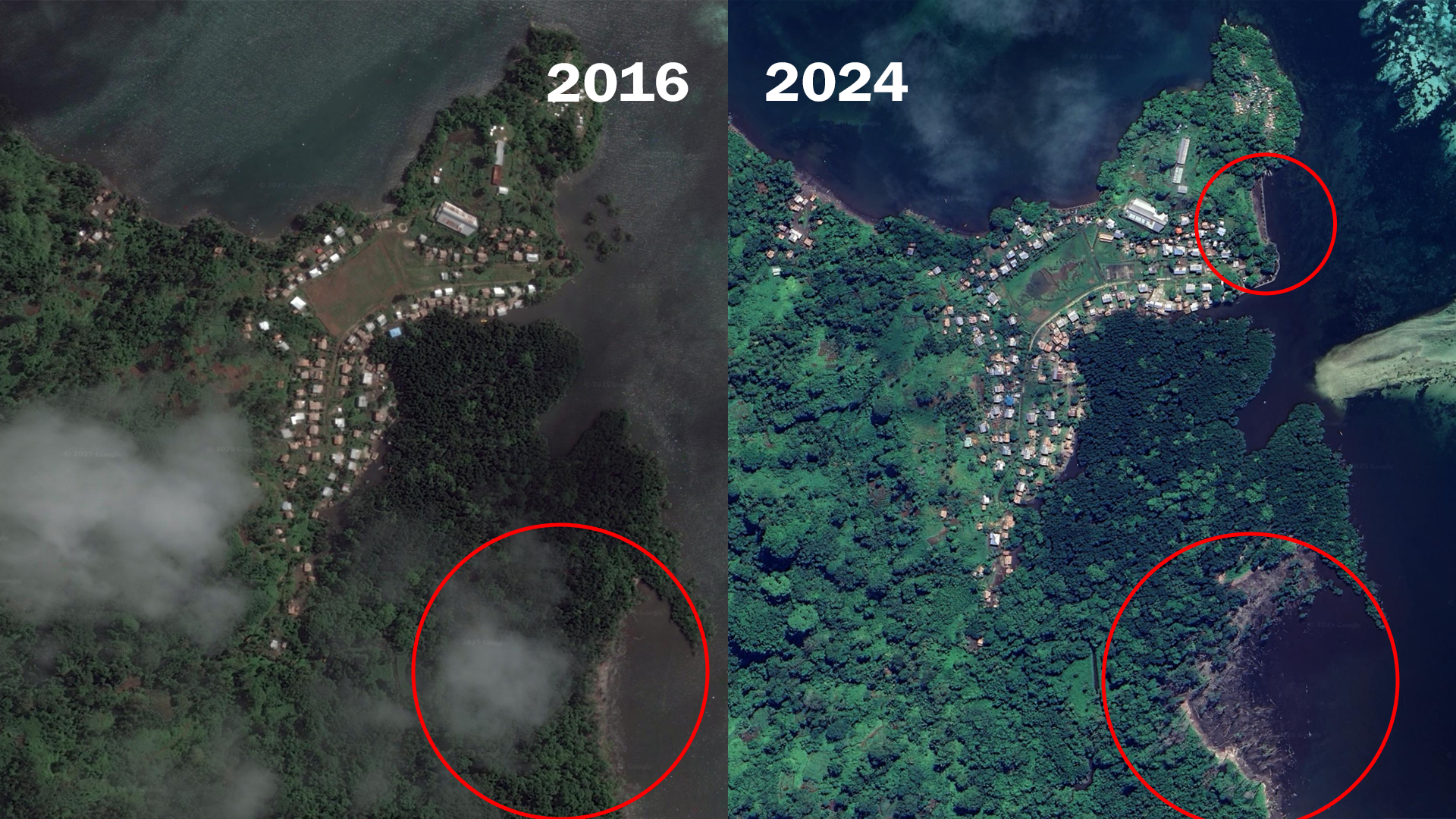
This move provided only short-term safety, as seawater is now breaching protective seawalls at the new site, destroying traditional food sources.
Community member Ms Mary P. said "life was really hard."
The community has minimal funds to protect itself from sea level rise, has insecure tenure to its relocation site, and lacks access to more land further inland.
Some members are considering another relocation.
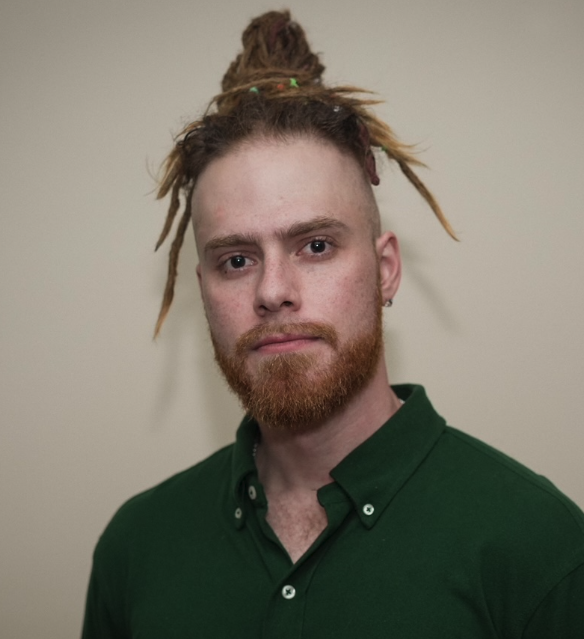
Mr Johnson Sua, a police officer from Walande, highlighted the need for collective responsibility in addressing climate change.
"So it's everybody's responsibility," he said.
"The world, the government, ourselves here in this village, myself, it's our responsibility."
Women in Walande face particularly severe challenges, as their control over land is limited under the province's patriarchal land tenure system.
Some community leaders have even pressed women to marry outside Walande as an adaptation measure.
The Solomon Islands government has obligations under international law to protect communities from foreseeable climate risks by facilitating rights-respecting climate adaptation and upholding Indigenous rights, customary land rights, and women's rights.
The 2022, Planned Relocation Guidelines provide a framework to implement these obligations, but until they are fully operationalised, relocated and relocating populations remain exposed.
Walande Church chairman, Richard Kwai, reflected on the broader history of displacement and adaptation.
"We are people migrating from one place to place," he said.
"So originally we came from Northeast Malaita - that's where our ancestors came from."
International donors have been urged to rapidly scale up financial and technical assistance to ensure the Solomon Islands can respond to climate change and frontline communities, like Walande, can adapt in place or relocate with their rights protected.
The emotional toll of displacement is also significant.
Eva Cathy Iroga, a student from Walande, described the pain of watching homes disappear.
"It's a sad thing to see suddenly everything just wiped away, or stripped away," she said.
"Everyone cried and yeah, I feel sorry for their homes that gone."
The Intergovernmental Panel on Climate Change projects as climate risk intensifies, the need for planned relocations will increase.
Every country with a coastline must anticipate this challenge, learning from past community-led relocations like Walande's.
"Support for communities on the front lines of the climate crisis is already urgent and will only become more imperative," Mr Sua said.
Walande's experience underscores the need for comprehensive support and adaptation strategies to protect vulnerable communities facing the impacts of climate change.



