


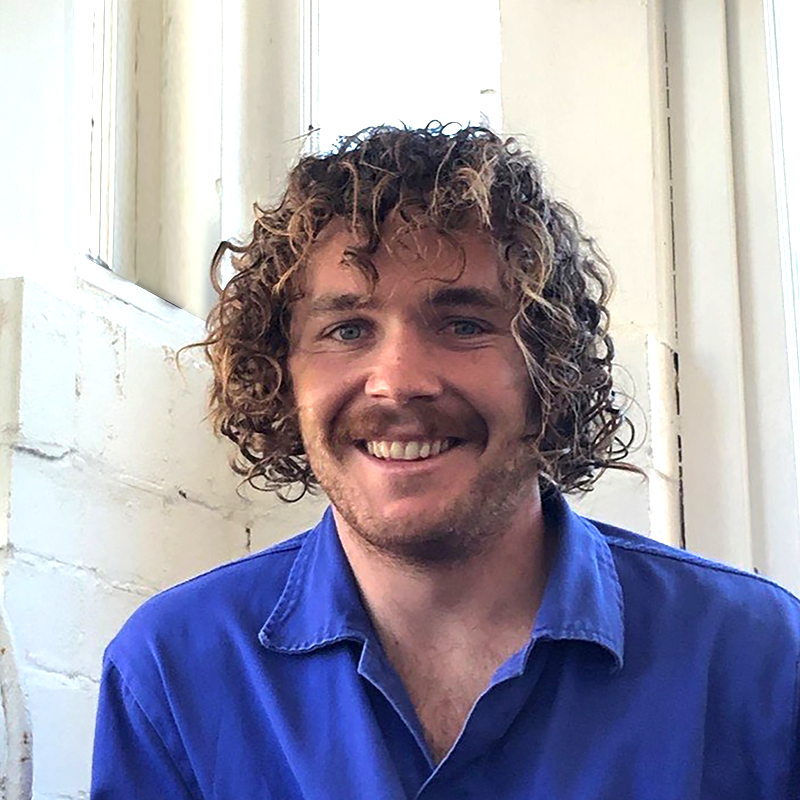

Former NRL star Timana Tahu says social media has made racism directed at players "louder" since his time in the game and is even more prevalent than headlines suggest.
The dual-code international, who ran out for 250 professional games between club and representative rugby league and union from 1999-2016, has worked in management of elite Indigenous pathways at the NRL for a number of years.
Speaking on the Hi Society podcast Tahu said he had his own experiences with racism throughout his career, but as the issue has intensified so had the measures in place to combat it.
The NRL and NSW Rugby League (the state's governing body of grassroots footy to the elite level) have worked to issue sanctions bans when those responsible are able to be identified through their online accounts, with suspensions and in one case a lifetime ban handed to a player.
For players subjected to racism, particularly those with greater profile at the professional level, responsibility for ending its presence in the game shouldn't be left up to them, he told National Indigenous Times following the episode's recording.
It was Tahu's first appearance on a podcast, he told host Allira Davis on Hi Society - brought by UNSW's Pro Vice-Chancellor Society and the Uluru Dialogue.
The episode was released on Tuesday.
The two-time premiership winner, NSW State of Origin, Kangaroos and Wallabies representative discussed his early life and career as an athlete, what shapes a successful club, Indigenous representation and racism throughout
Standing up to racism is a difficult thing for players to do, he said, when backlash can outweigh support they receive.
"I feel sorry for the athletes. Whoever stands up against racism gets shot; the media just start shooting," Tahu said.
"We can go through the past of all the athletes that stood up against racism and they're still copping it to this day.
"Standing up, you've gotta have some guts. The athletes aren't prepared for the backlash."
.jpg)
Tahu said has gotten louder since his time in the game, with facts backing this up.
With the examples which become publicised, there are more "people don't see or hear about", he added.
Despite this, Tahu said organisations are doing an effective job addressing the issue. He hopes players are able to focus on the positives.
The NRL has strategic measures in place and work from its integrity unit focused on addressing abuse, Tahu said.
Abuse and vilification directed towards athletes from anonymous social media accounts has been an increasing issue across sports - from racism to homophobia, body-shaming and other themes.
"You can't think about the short game, that I'm going to make a difference in two weeks," Tahu said for players taking a stand. "It's a long game."
Tahu told National Indigenous Times: "There's only a certain amount of energy for our players to to combat this."
"At the end of the day, they're players and they've got a job to do. And to be distracted by online comments, racism and backlash, it's not their job. It's someone else's job."
Tahu noted Cronulla half Nicho Hynes is one player who has already faced racism this year.
Within the competition, clubs celebrating culture and diversity are the ones reaping rewards, he told Hi Society.
"The successful teams that you see in the NRL today are the ones that were receptive. When you're in a club that's successful, they look at equality and diversity in their teams. To be a successful club, understanding, knowing about equality and being around diversity of different cultures, religions and cultures can bring the best out of them," Tahu told the show.
As a teen Tahu spent time living in Aboriginal Hostels, first in Bourke and later Newcastle.
He quickly entered the Knights' system and within a few years made his NRL debut with the club.
Tahu spent two stints with Parramatta either side of a move to union before joining Penrith and finishing his rugby league career back in Newcaslte.
Among his representative honours, Tahu played for both New Zealand Māori, through his father, and Indigenous All Stars, through his mother.
He also spoke about the importance and difficulties for players to find a new purpose when they hang up the boots.
Going forward, he's keen to see more First Nations coaches take on top jobs around the league.
Immortal Arthur Beetson was an early trailblazer coaching both the Roosters, Redcliffe, Cronulla, Queensland and Australia.
The women's game has proved a more recent successful platform.
Ronald Griffiths, now an assistant in the Knight's men's setup and Indigenous All Stars coach, and Scott Princes are NRLW premiership coaches, Dean Widders was in charge at the Eels in recent years and Barkindji & Ngapuhi/Ngāti Hine Māori woman Jess Skinner serves as head coach of the Jillaroos.
Laurie Daley reassumed his role of NSW Origin coach in 2025.
Dave Elliott is an assistant with Queensland and coaches the Dolphins' Queensland Cup side.
"The NRL can only do so much. (Clubs) are the ones you know that have to make those decisions when they're picking coaches," Tahu said of increasing representation in the men's competition," Tahu told National Indigenous Times.



