




Warning to Aboriginal and Torres Strait Islander people. The following article contains names and images of a person who has died.
The death of an Aboriginal man in custody has once again exposed the flaws in the prison health system, according to the peak body for community-controlled Indigenous health organisations in Victoria.
Michael Suckling, described by inmates as a "beautiful man" and "like a big brother," died in the privately-run Ravenhall Correctional Centre in 2021. Despite entering the system in the normal weight range, within three years he was classified as morbid.
In handing down her findings last week, Coroner Leveasque Peterson said she was satisfied his death was down to Cardiomegaly (enlarged heart) in a man with World Health Organisation class III obesity.
By the time he passed away, Mr Suckling weighed 199kg.
Coroner Peterson said, "Michael's story demonstrates the pressing need for change to the medical care and treatment of First Nations people who enter the custodial system in this State".
On Tuesday, the Victorian Aboriginal Community Controlled Health Organisation (VACCHO) said the case demanded urgent action be taken to address "the ongoing failures" in the prison system.
"This is yet another Aboriginal person who has fallen through the cracks of an unsafe system and paid the ultimate price," VACCHO chief executive Jill Gallagher said.
"It's been 33 years since the Royal Commission into Aboriginal Deaths in Custody which made recommendations to better protect Aboriginal people in Australian jails and police stations – but sadly, we are still calling for those recommendations to be implemented while Communities lose their loved ones."
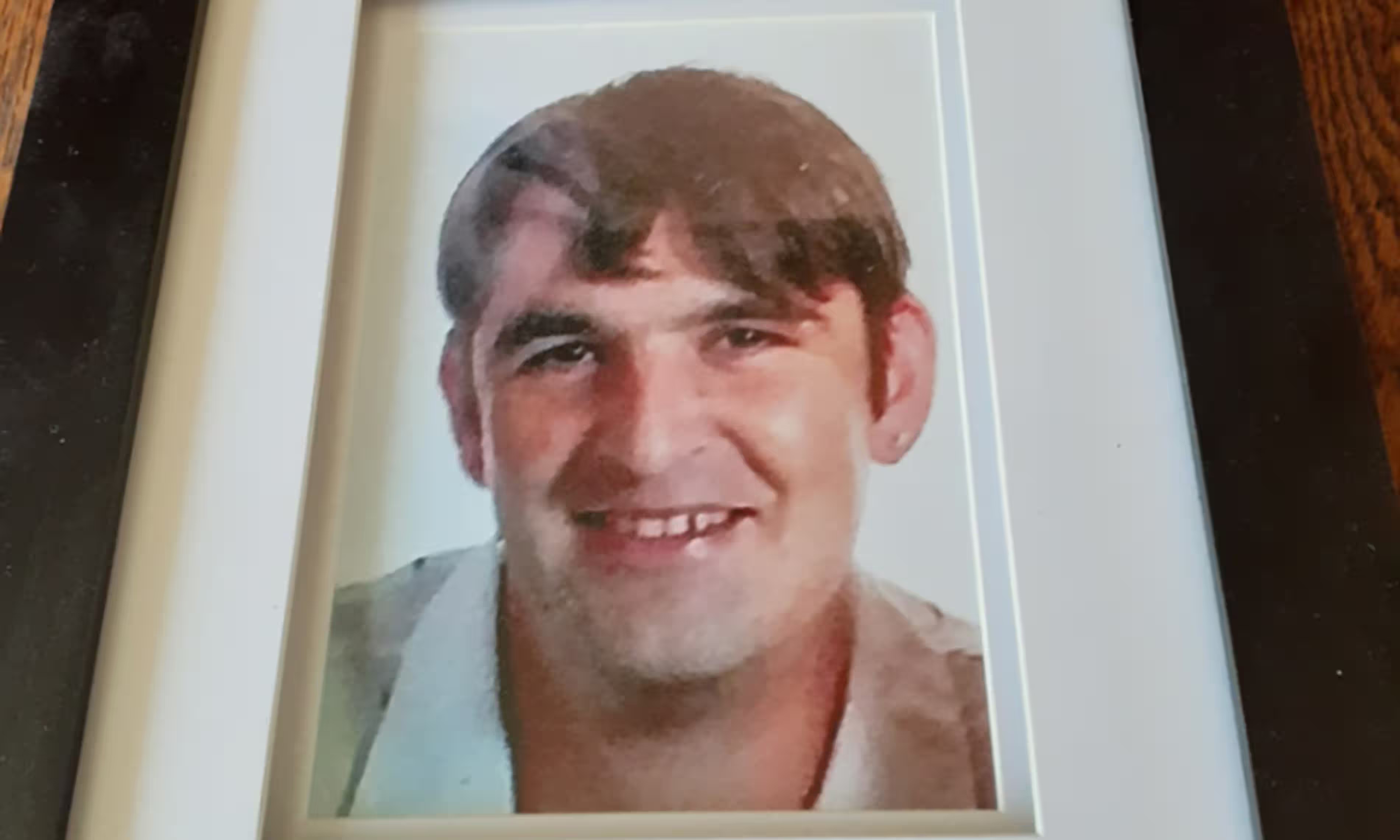
Mr Suckling has suffered from mental illness in prison. On his 40th birthday in 2019, he took medication with the intent of taking his own life. He spent 53 days in hospital - more than half in a coma.
His mother Maree told the inquest her son wanted to "die that day".
"He told me, and I know he did. He – he took 'em all. He took 'em all in. He was shattered that he had to be there for 10 years, and he'd lost everything so," she siad.
Dr Mark Wenitong, who was part of a cultural clinical panel that gave evidence during the inquest, said having heard Maree give evidence about her son, he believed many of Mr Suckling's health and wellbeing issues flowed from his unresolved trauma.
He said there was strong evidence for dealing with trauma in different ways for First Nations patients.
"...dealing with trauma does require different kinds of approaches than just your standard kind of mental health treatment plans, et cetera, and there's a large movement in both psychology and psychiatry around trauma informed practice and that's at an institutional level," Dr Wenitong said.
Whilst Mr Suckling had a history of failing to attend appointments scheduled with mainstream health care providers in prison, Coroner Peterson said at various points, he "attended diligently to his health issues when supported by the Aboriginal Health Worker (AHW)".
In the first nine months of Mr Suckling's incarceration, at the remand centre, there was no AHW.
Dr Wenitong advocated for the Aboriginal community-controlled health care organisation (ACCHO) model of Primary healthcare, labelling it a "a successful model of care for First Nations peoples".
"A lack of this model in correctional services can contribute to the increased morbidity and mortality rate of Indigenous inmates," Dr Wenitong said.
This was backed up by Ms Gallagher, who said, "ACCOs have proven to produce better health outcomes for Aboriginal people when compared with mainstream services, and this remains true in custodial settings".
"Aboriginal-led culturally safe care must be central to the way forward for Aboriginal and Torres Strait Islander people in Victoria's prison health system," she said.
In her final comments, Coroner Peterson said: "Given the current challenges faced by Aboriginal prisoners, I would urge all parties including the private operators, the State and the ACCHOs to look at ways that ACCHOs can be assimilated into practise now in Victoria's prison system within current commercial arrangements."
She recommended the Department of Justice and Community Safety update the Justice Health Quality Framework 2023 to reflect that the principle of equivalency for Aboriginal prisoners, measured against the types of services provided ACCHOs rather than those of mainstream health providers.
Furthermore, she called for the providers of health services in Victorian prisons to "proactively consult with ACCHOs to explore further opportunities for ACCHOs to provide in-reach services for Aboriginal prisoners".
VACCHO called for government funding of $2 million over two years to deploy a pilot Aboriginal-led model of care, with the goal of it being expanded across the state.
"Enough is enough and something has to change. Aboriginal-led measures and methods of care must be central to the way forward to prevent more members of our community from having their lives cut so devastatingly short," Ms Gallagher said.



