




Aboriginal and Torres Strait Islander women and the community-controlled health sector are being recognised on World Cervical Cancer Elimination Day, Monday, for their leadership in Australia's progress toward eliminating cervical cancer, with screening participation continuing to lift across Aboriginal Community Controlled Health Organisations (ACCHOs).
Across services reporting national performance data, the proportion of Aboriginal and Torres Strait Islander women recorded as up to date with cervical screening has risen from 38.9 per cent in December 2021 to 49.4 per cent in December 2024. The number of women recorded with HPV screening up to date increased from 30,000 to 45,000 during these years - which means an extra 15,000 women within the reporting cohort during a period of ongoing patient growth.
NACCHO - the national peak body for Aboriginal Community Controlled Health Organisations - noted that while the figures reflect only women recorded through reporting ACCHOs, they demonstrate the impact of local engagement, culturally informed practice, and the broader uptake of HPV self-collection, a screening option that respects privacy, autonomy, and comfort.
NACCHO noted that Australia has a national plan, and the World Health Organisation has set a global pathway: "vaccinate, screen, treat".
"The structure is clear, but structure alone doesn't move people. What moves people is trust, choice, and care that starts in community, and that's where the Aboriginal Community Controlled Health sector is making the difference," the peak body said in a statement.
NACCHO chief executive Pat Turner AO said the improvement shows the strength of community-controlled care and the need for governments to keep backing the model that is working.
"We are seeing the outcomes of years of practical, community-led work. When care is grounded in trust, informed by culture, and properly resourced, women take part and stay engaged," Ms Turner said.
"This progress is not accidental; it is the result of strong systems, good workforce planning, and respectful engagement. We need continued investment to keep this momentum going and to make elimination a reality."
NACCHO Chair Donnella Mills said the figures reflect the leadership and agency of Aboriginal and Torres Strait Islander women.
"Across our communities, women are not waiting to be told, they are leading this change," Ms Mills said.
"Every screening, every conversation, is about looking after family, culture, and future generations. It shows the power of women turning knowledge into action, making prevention part of everyday life. That's what community-controlled care looks like."
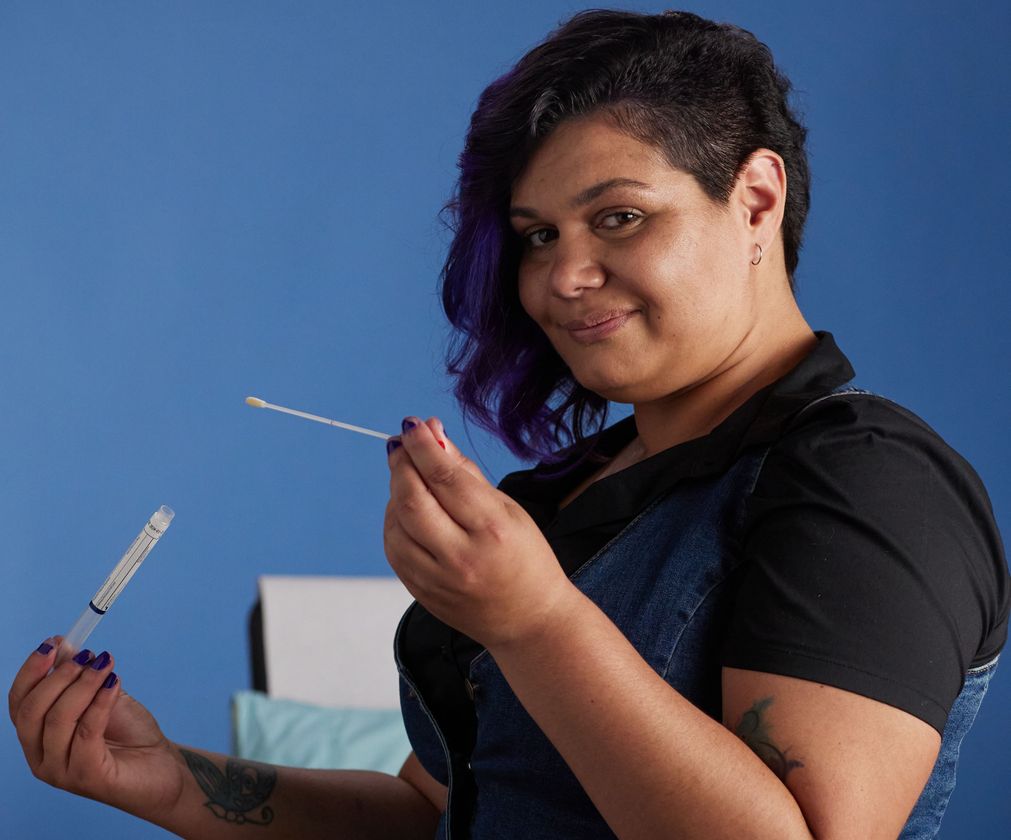
In May, NACCHO joined forces with the Australian Centre for the Prevention of Cervical Cancer, ACON, the Australian Multicultural Health Collaborative and the federal government to launch the Own It campaign, aimed at ensuring no one is left behind in the drive to eliminate cervical cancer in Australia.
Western Australian research published in August demonstrated the benefits of taking cervical screening directly to remote women.
NACCHO said the progress is visible across different service settings.
Orange Aboriginal Medical Service reports around three-quarters of eligible women choosing self-collection, with one woman moving from an abnormal screening result to specialist care within three months.
At Tharawal Aboriginal Medical Service, a focus on community connection and consistent follow-up lifted screening from 52 per cent to 69 per cent in one measurement period, with many women choosing self-collection on the day.
In remote homelands, services including Laynhapuy and Marthakal in June 2025 have recorded participation above 80 per cent. The results reflect "years of careful, community-led work to build trust, strengthen clinical systems, and make screening more accessible for women", NACCHO said.
The increase from 38.9 to 49.4 per cent across reporting ACCHOs represents "a meaningful public-health shift", particularly during a period of patient growth. It highlights the impact of self-collection, consistent follow-up, and the strong relationships that services maintain with women in community.
Sustaining the progress, NACCHO said, will depend on continued investment in the Aboriginal health workforce and in the regional pathways that connect women to specialist care.
"Screening is only the first step, ensuring that women who need assessment and treatment can access it quickly and safely is what turns participation into prevention," the peak body said.
"Continued investment in Aboriginal health workers, nurses and navigators, along with well-functioning regional pathways, will ensure no woman is left behind."
Ms Turner said the results reinforce what the sector has always known that community control is the key to lasting change.
"What's working here is community control," she said.
"When care is designed, delivered and led by Aboriginal health services, women come forward because they trust the people and the place. The rise we're seeing in screening isn't just about numbers; it's about women making their own choices in a system that finally listens to them. That's why community control matters, and that's why it delivers results."
NACCHO encouraged Aboriginal and Torres Strait Islander women aged 25 to 74 to talk with their local Aboriginal health service about cervical screening and the option to self-collect. Families are also encouraged to ensure young people are up to date with HPV vaccination.
"When we achieve elimination, it will be because our women led it, supported by strong services, steady leadership and care built on culture and respect," Ms Mills said.



