Every Aboriginal and Torres Strait Islander child deserves the chance to grow up healthy, strong in identity and Culture, connected to family, Community and Country and surrounded by the people who know and love them.
For Aboriginal children and young people in out-of-home care, access to good healthcare is an essential part of that identity and connection.
Yet Victorian research tells us we are falling far short.
Research by McLean and colleagues found that less than one percent of Aboriginal children entering out-of-home care in Victoria received all the recommended health services for a comprehensive health assessment within their first year in care. The national clinical guidance says they should receive it within the first three months.
Correction. We are not just falling short - we are failing these children.
Aboriginal children are vastly over-represented in the care system, making equitable access to comprehensive and culturally safe health and wellbeing care an urgent priority.
Every missed health and wellbeing assessment is a missed opportunity - an opportunity to identify a child's health needs early, connect them with the right supports, strengthen their identity and their connection to Community and Culture, and prevent issues from becoming more serious.
This is unacceptable.
Earlier this month, I stood alongside my colleagues from the Victorian Aboriginal Community Controlled Health Organisation's (VACCHO's) Centre of Excellence for Aboriginal Families Wellbeing at the Royal Children's Hospital Victorian Centre of Health Leadership for Children in Care's What's Next Symposium.
We had a clear message: everyone is responsible for supporting the health and wellbeing of Aboriginal children in care.
Government and mainstream health organisations have a vital responsibility to work differently and to work in genuine partnership with Aboriginal Community Controlled Organisations (ACCOs). That means listening, learning and being curious. It means supporting Community-led solutions and building strong, accountable partnerships with ACCOs.
It also means being prepared to ask important questions about where decisions are made, who holds power, and where resources flow.
Culture is not an optional extra in the health and wellbeing of Aboriginal children. It is fundamental.
Aboriginal Communities and ACCOs have always known how to care for our children and families. Our services understand that health and wellbeing is holistic: physical health cannot be separated from social and emotional wellbeing, Culture, identity, family, Community and Country.
The ACCO-led Pathways to Good Health model brings this knowledge directly to Aboriginal children and young people in out-of-home care, providing culturally safe health and wellbeing assessments, care planning and connections to the broader supports children and their carers need.
Pathways to Good Health is a statewide program, predominantly delivered through mainstream community health services.
Since 2025, an ACCO-led model has been operating in the Ovens Murray region through Albury Wodonga Aboriginal Health Service and Mungabareena Aboriginal Corporation, and in metropolitan Melbourne through the Victorian Aboriginal Health Service.
In just one year, the ACCO-led model has reached more than 500 Aboriginal children.
Alongside this, VACCHO is delivering the Kinship Carer Health and Wellbeing model, recognising that the wellbeing of children is inseparable from the wellbeing of the families and carers who surround them.
We are seeing children and carers connect with ACCOs - in some cases for the first time - strengthening pathways not only to healthcare, but to Culture, Community and ongoing support.
This is what ACCO-led care can do. But funding for the ACCO-led Pathways to Good Health model is due to end in 2027.
Aboriginal children in Victoria continue to enter out-of-home care at dramatically higher rates than non-Aboriginal children, so this model is needed now, more than ever.
Our ambition should be nothing less than 100 percent.
All Aboriginal children entering out-of-home care in Victoria should receive all the recommended health services for a comprehensive health assessment within their first year of care.
For our bubups, children, young people, families - and the generations still to come.
Because every Aboriginal child deserves to be seen, supported, cared for - and to grow up healthy, strong in Culture and connected to family, Community and Country.
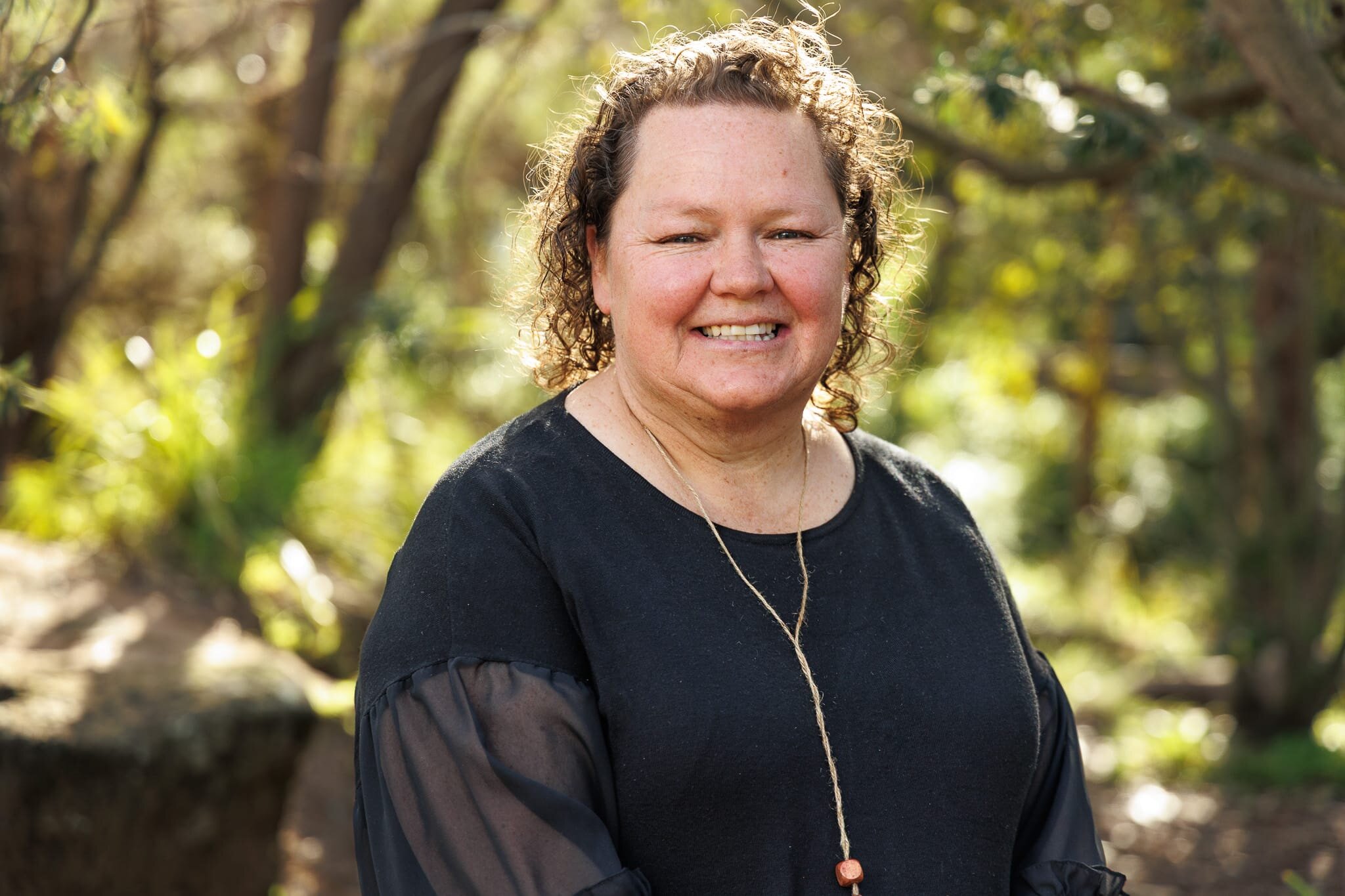
Sheree Lowe is the Executive Director of the Victorian Aboriginal Community Controlled Health Organisation's Centre of Excellence for Aboriginal Families Wellbeing.