


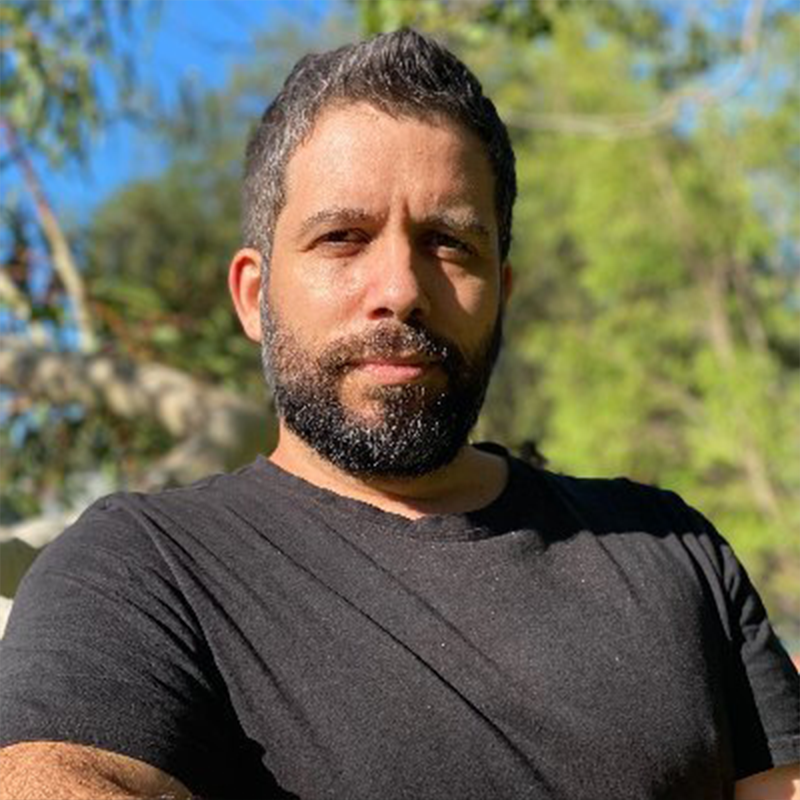

A Yamatji Elder and Stolen Generations survivor faces expulsion from her home of 30 years.
Ms Joyce Capewell, 67, lives in the Western Australian Mid West town of Geraldton.
On September 9, she was visited in her home by a housing manager and another department staffer who told her she would be kicked out of her home and moved to a one-bedroom unit.
Ms Capewell has always received positive feedback from inspections because of the cleanliness and good condition of her home over the years.
She said the visit was "a disaster, humiliating and very traumatising".
In a letter to the WA Housing Department, Premier Roger Cook and Housing Minister John Carey, Ms Capewell noted she is an Aboriginal Elder with a disability and has faced numerous challenges throughout life, but this has not deterred her from being "a productive member in society during my many working years and doing the best I can to make a difference for the betterment of Aboriginal people".
Ms Capewell has worked on a casual or part-time basis due to her disability, which has made it impossible for her to buy her own home. She has worked in education, social work, domestic violence support work, and also in the drug and alcohol field, with the aim of helping vulnerable and at risk people.
"Unfortunately, during the years I have never been in a position to seek house ownership and for the past 30 years have resided in State Housing," she Ms Capewell wrote.
"Myself and two sons have resided in the home during the years. Now the sons have left the home, however the youngest is on the spectrum (Autism) and during challenging times returns for up to several months at a time."
Despite her individual circumstances, family needs and cultural needs as an Aboriginal Elder and parent, Ms Capewell was told on September 9 that she would be "placed on a 'forced removal policy' and would be transferred to a one-bedroom unit".
She told National Indigenous Times that contrary to the Department's claim, she did not receive warning of this decision in advance, and was threatened with legal action initially, before being told that she could appeal the decision on cultural grounds.
"The audacity of young white people terrorising and disrespecting Yamatji Elders when they are walking on Yamatji land. I won't put up with it," she said.
"This has got to stop. We were terrorised as teenagers and made to feel we were below human.
"This house here, the young workman came here and he said 'fancy trying to kick you out of here, the house is spotless'."
In her letter to the Premier, Minister Carey and the Department, she wrote: "I would like to advise the Housing Manager is clueless to Aboriginal Culture Awareness."
She noted she has "experienced this form of colonialist terrorism during my younger years and throughout life, just like my mother, grandparents and those before us".
Ms Capewell wrote that she had been traumatised when "forcefully removed via the criminal Stolen Generations policies and assigned to deal and live with the destructive emotional impact throughout life".
"Sent to an institution, isolated from family, community and locked up in dormitory claustrophobic jail-like cell rooms and now white government authority appear to want the lives of Stolen Generations victims to end the same way," she wrote.
"To be uprooted at 67 years-old, taken out of a safe environment, and away from the kind and caring community in my neighbourhood is to me a repeat of being ripped away during the Stolen Generation era."
She said being sent to a one-bedroom unit would mean "isolation from family, due to not being able to have visitors spend a night or two".
"Also, I would not be able to have my young son stay when he is in time of need," Ms Capewell wrote.
"Furthermore, as an Aboriginal Elder it is not my responsibility or burden to carry the 'housing shortage crises' of the nation… I now wonder how many more Aboriginal Elders are being terrorised."
Ms Capewell said she wrote to the Premier and Housing Minister to "in the hope of Aboriginal people receiving equality" and ceasing of the unrelenting colonialist injustices faced by Aboriginal people.
She said awareness of her situation is needed "not only for the sake of myself but all other Aboriginal Elders".
Many guest speakers at the recent National First Nations Housing and Homelessness Forum stressed the importance of culturally appropriate housing, particularly in regards to family support and responsibilities.
On Tuesday, Ms Capewell advised National Indigenous Times she had since received a call from the regional housing manager who has arranged a meeting with her "to see what they can do to help me in my situation".
"She was very apologetic. She said 'I am so sorry this happened to you'," Ms Capewell said.
Senator Lidia Thorpe told National Indigenous Times "no Elder should be treated this way".
"After 30 years in her home, Aunty Joyce deserves respect and security, not this sort of shameful treatment. I stand with Aunty Joyce and urge WA Labor to show some common sense and humanity here. The minister should step in to correct this," she said.
"Aunty Joyce has reached out to my office and my office is providing advice. But I would also call on Senator Cox in WA to take this on. She should be advocating to her Labor colleagues in the WA state government to show some respect to our Elders."
A spokesperson for Western Australia's Department of Housing and Works told National Indigenous Times the department "manages its housing portfolio to ensure properties are safe, functional, and responsive to community needs".
"A small number of homes may be vacant at any time due to maintenance, refurbishment, allocation to new tenants, awaiting occupation or redevelopment," they said in response to questions over how many state-owned homes are currently vacant in Geraldton.
"Ms Capewell's tenancy is being reviewed in accordance with DHW's eligibility policy, which considers both income and property size. We acknowledge her long-standing connection to the community and her role as an Elder."
The spokesperson said Ms Capewell, who works part time, is "currently not eligible for public housing as she exceeds the income threshold, and is additionally under-occupying her three-bedroom home".
"Regional staff will continue to engage with Ms Capewell to explore culturally appropriate housing options that reflect her circumstances and support ongoing community ties. DHW staff have undertaken locally developed cultural awareness training to strengthen respectful engagement with Aboriginal tenants," they said.



