




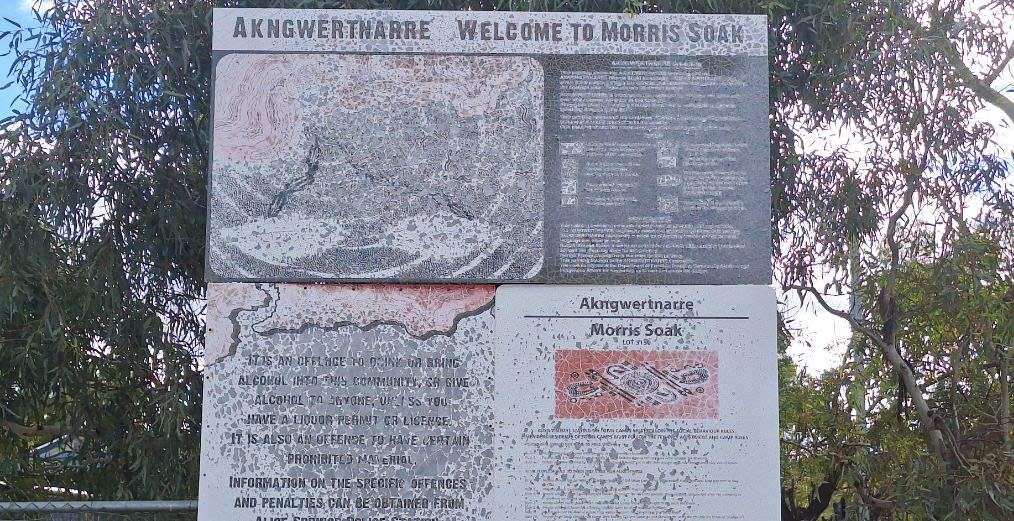
For two decades, John Smith* (not his real name) has called Morris Soak - a camp near Mparntwe / Alice Springs - home. But last Friday, he stood behind his gate, fearful that drug-related violence would end his life before morning.
He claims a non-Indigenous man, who had moved in with a young Aboriginal woman in the camp and was allegedly selling drugs, threatened him with an axe and tried to run him over.
Other Morris Soak residents say methamphetamine, elder abuse and housing disputes are driving fear and instability through the community, with locals accusing authorities of ignoring repeated pleas for help.
"There are about 13 kids in that street. What if one gets hit by a car while driving to the house, where there is drug dealing?" Mr Smith said.
He claims to have alerted police many times to alleged drug dealing, particularly on nights like last Friday when traffic had made the narrow streets unsafe.
"I've told them many times: they're selling ice and cars from outside, keep coming through the street," he said.
"But they (police) always arrive five or six hours after I've called them."
He accuses Alice Springs police of turning away, blaming racial bias for their lack of action.
"Because we're Indigenous... they always say, 'Oh, whatever, it's a family feud, we can't get involved'," he said.
"It's not a family feud; I'm just telling someone to stop selling ice." (also known as methamphetamine)
National Indigenous Times sought a response from the NT Police. According to a police spokesperson, "at this stage, for operational reasons, the NTPF is currently unable to provide a response to these questions".
However, Jack Doe* (not his real name), who previously lived for years in Morris Soak, shares Mr Smith's concerns about outsiders moving into the camp.
"We've got all these non-Indigenous people coming into these damn camps now in Alice Springs, and they've infiltrated, and police aren't doing anything about it. The (NT) government isn't doing anything about it," he said.
National Indigenous Times contacted NT Chief Minister Lia Finocchiaro for comment, but at the time of publication, there had been no response.
According to another local resident, who also wanted to remain anonymous, the dealing of methamphetamine at one residence in Morris Soak undermines the values that bind the rest of the community, like hard work, family respect, and protection of culture.
"We work really hard and contribute to society, and yet these people take from society," the resident said.
For Shirley Miller, a Luritja, Arrernte and Pertame woman, experiencing the decline in safety, culture and harmony in the area has been a painful reckoning.
Ms Miller, her mother, and her then partner, an Aboriginal activist who has since passed and won't be named for cultural reasons, founded Morris Soak Town Camp in 1974.
Former NT minister Karl Hampton described her late partner as someone who "walked in two worlds".
"Through his association with the Central Australian Aboriginal Congress Association (CAACA), the Moving Forward Project and Tangentyere Council, he fought hard for the establishment of town camp leases, including Morris Soak," a Northern Territory government statement said in 2011.
But nearly five decades later, Ms Miller said her return to Morris Soak left her feeling unsafe in the place she helped create.
"I used to really love Alice Springs, but it's not a safe place for me anymore," Ms Miller told National Indigenous Times.
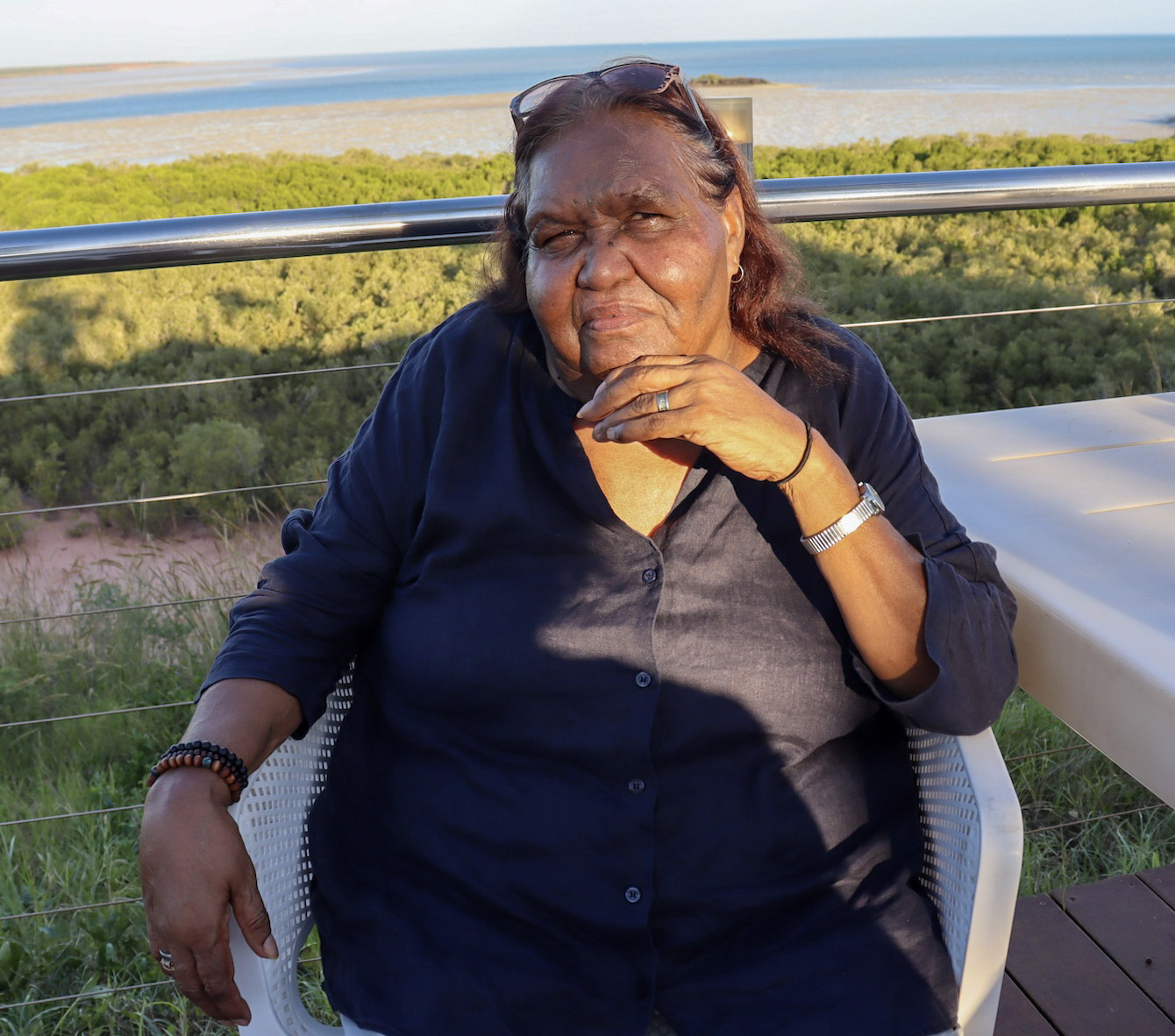
When she returned to Morris Soak in 2023 to retire, Community Housing Central Australia placed her in her late brother's home, a decision she says clashed with cultural tradition.
CHCA manages the day-to-day housing side of Mparntwe / Alice Springs town camps on behalf of the NT Government, including allocating houses, managing tenancies, maintenance, and responding to tenants' complaints.
Meanwhile, the Tangentyere Council Aboriginal Corporation serves as the primary advocacy and support body for town camp residents, providing services including tenancy support, aged care, youth and family programs, community safety initiatives, and municipal services in some camps.
Ms Miller's daughter, Luritja, Anmatjerre woman Deirdre Lechleitner, said the family was concerned that the housing allocation had not been taken into account.
But no one in the family foresaw how quickly the harassment would escalate.
Tensions surfaced soon after Ms Miller moved in.
Verbal abuse, intimidation and harassment soon followed, targeting her as an Elder.
Towards the end of 2023, Ms Miller alleges, a neighbouring resident attempted to enter her home and assault her, resulting in police involvement and a trespass notice being issued.
Weeks later, Ms Miller alleges she was physically assaulted inside her home, while her daughter, Lynda Lechleitner, was allegedly bashed with an iron bar after attempting to support her mother while police were on their way.
While NT Police could not confirm the identities of the alleged victims or offenders, they did reference an incident that matched Ms Miller's description.
"Based on the date provided, police can confirm on 9 December 2023, police responded to a domestic disturbance involving three women at a residence in Morris Soak," NT Police said.
"One woman suffered a minor injury to her foot and was conveyed to hospital for assessment, before being issued a Domestic Violence Order (DVO) by police.
"We don't have any information regarding a trespass notice being issued in 2023."
Since then, Ms Miller says she has continued to face intimidation from neighbours, while alleged methamphetamine dealing has made the camp feel more unsettled and exposed to people coming in from outside.
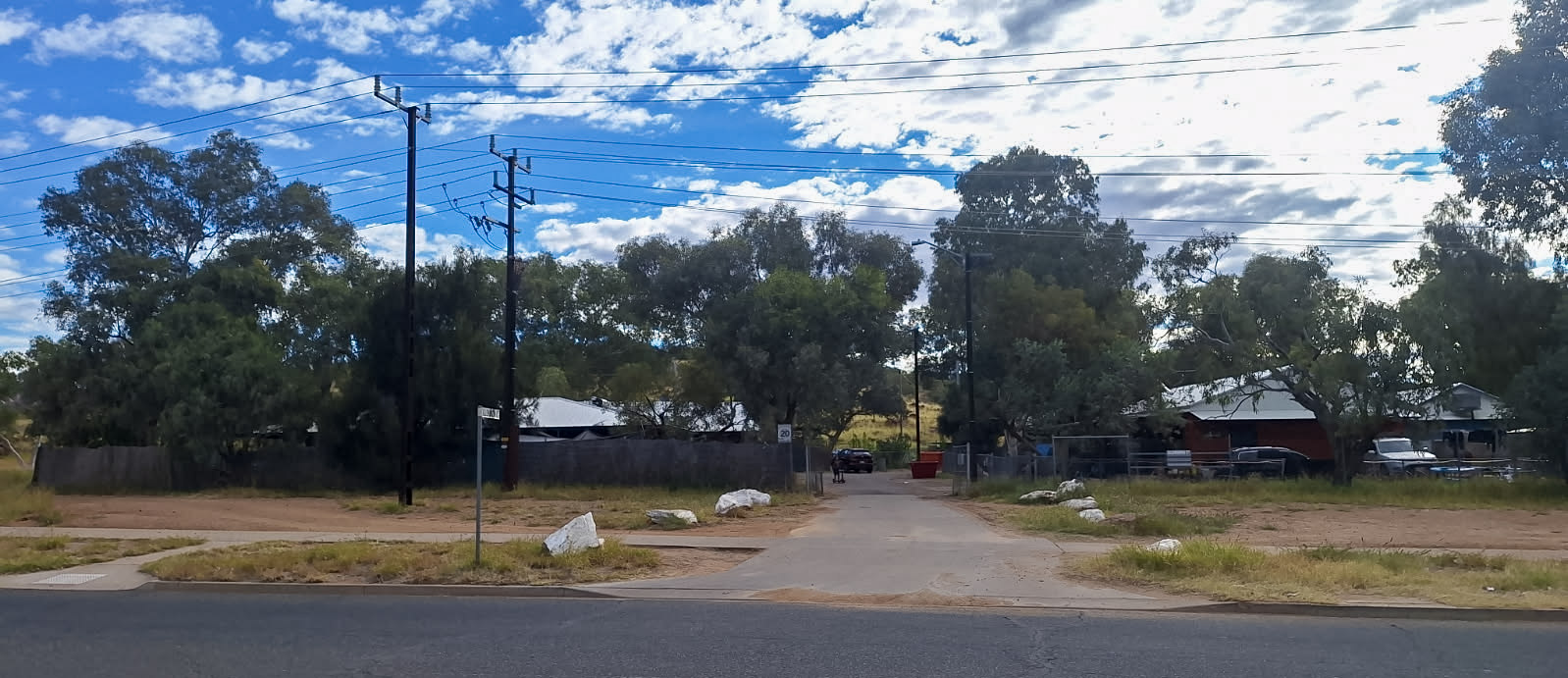
For three years, Ms Miller has called the police when threatened, but long delays have left her doubting the efficacy of reporting disturbances to the authorities.
"Sometimes you will be waiting until the next day for the police to arrive; it's shocking. By the time they show up, I could be dead," she said.
NT Police said response times depended on the severity of incidents and the availability of police units.
"We are unable to provide a breakdown of average response times to specific areas, only for reported instances," a Police spokesperson said.
Ms Miller says she filed written and in-person complaints about antisocial behaviour with both Community Housing Central Australia (CHCA) and Tangentyere Council, but has been ignored.
National Indigenous Times has seen written complaints from Ms Miller, submitted to CHCA.
Her daughter says tenancy rules have gone unenforced.
"The housing provider is failing their job on policies around the tenancy agreement, when it comes to anti-social behaviour, abandonment of properties and illicit drugs in the community," Ms Lechleitner said.
National Indigenous Times contacted Tangentyere Council Aboriginal Corporation for comment, but had not received a response at time of publication.
CHCA chief executive Ken Marchingo responded to the allegations raised by Ms Miller, saying there were "regular instances of tenants reporting anti-social behaviour".
"As a rule, we request that tenants contact the Public Housing Safety Officers (PHSO) to make a safety complaint," Mr Marchingo said.
"Further investigation or meeting request with the tenant is given to us by the Department, where the tenants may be issued a public housing 'strike'."
Mr Marchingo said CHCA was aware "of a number of families within the camp that have difficulties residing with each other, and many counterclaims are made".
"Few, if any, of which can be substantiated."
CHCA did not directly address allegations of drug dealing within the camp.
For now, Ms Miller is staying at her daughter's home in Broome but hopes to return to Morris Soak.
Her family says she has grown quieter.
"What I want most is for them to start looking after us Elders."



