



Tea tree and other plants in Cranbourne Royal Botanic Gardens will bloom as the weather warms into spring, indicating plenty of fresh food around for the once-locally extinct pookila.
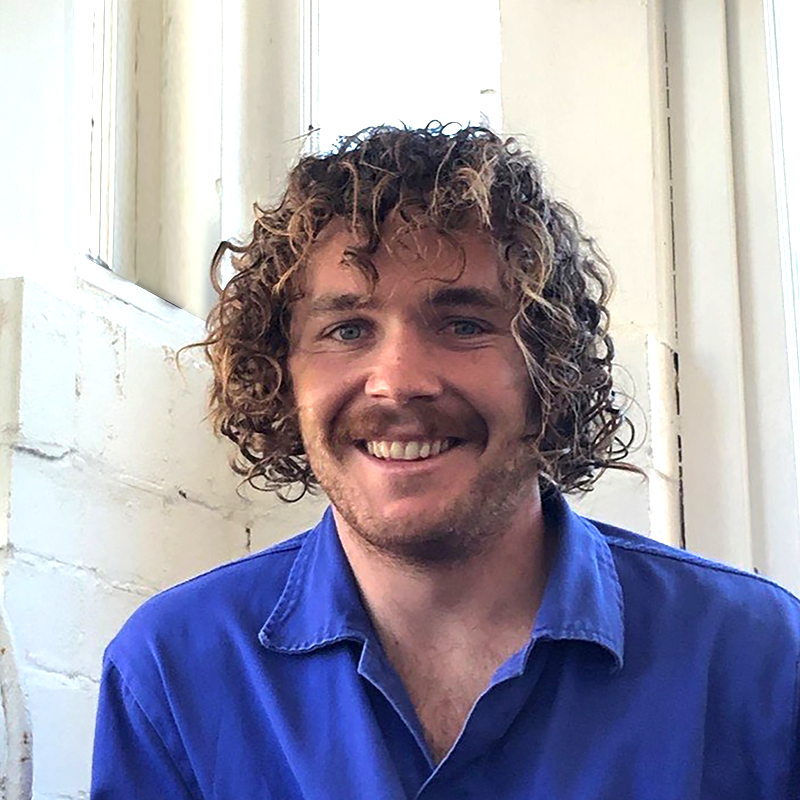
Last week, Ngemba man Ryan Archer helped bring the total number of the endangered (in Victoria) native mouse species reintroduced into the area they used to live to 56.
Zoos Victoria are leading the recovery project to establish an insurance population at the site in a partnership with the Botanic Gardens.
Prior to the work, pookila, otherwise known as the New Holland mouse, had been last seen in Cranbourne in 1974.
Mr Archer is taking part in the species' revitalisation there through his involvement with Zoos Victoria's Baillieu Myer Conservation Internship.
For him, the work that he's doing is strongly connected with culture.
"Growing up, I, as many people do, felt a disconnect to my culture. One way for me to try and re-establish that connection was working for Country and giving back and being a caretaker," Mr Archer told National Indigenous Times.
"Working for animals and threatened species is one way I do that. It's culturally fulfilling."
Invasive species introduced into the area and increase in fires post-colonisation, among land-clearing and housing are thought to be key reasons behind pookila being driven out of the habitat there, Mr Archer said.
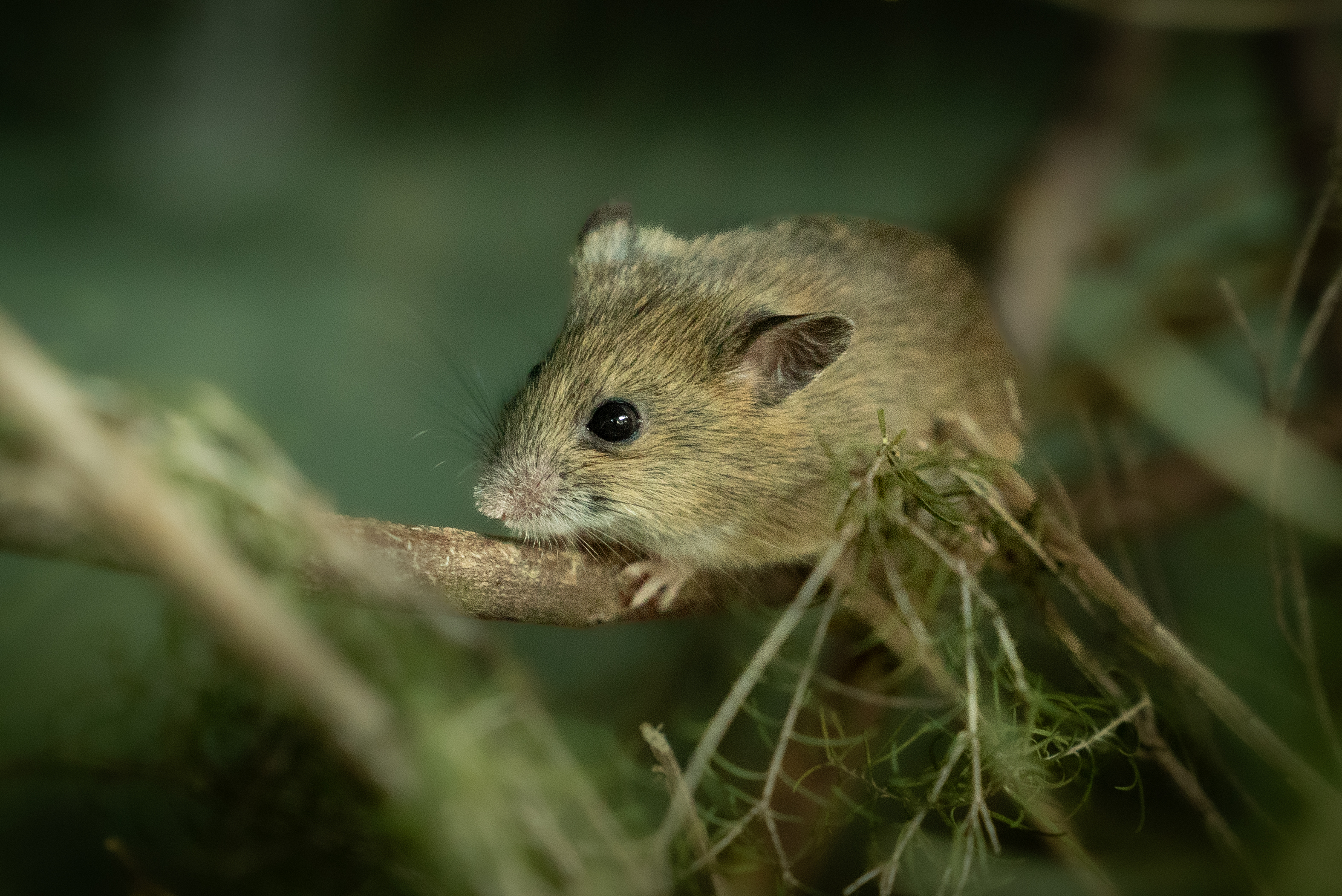
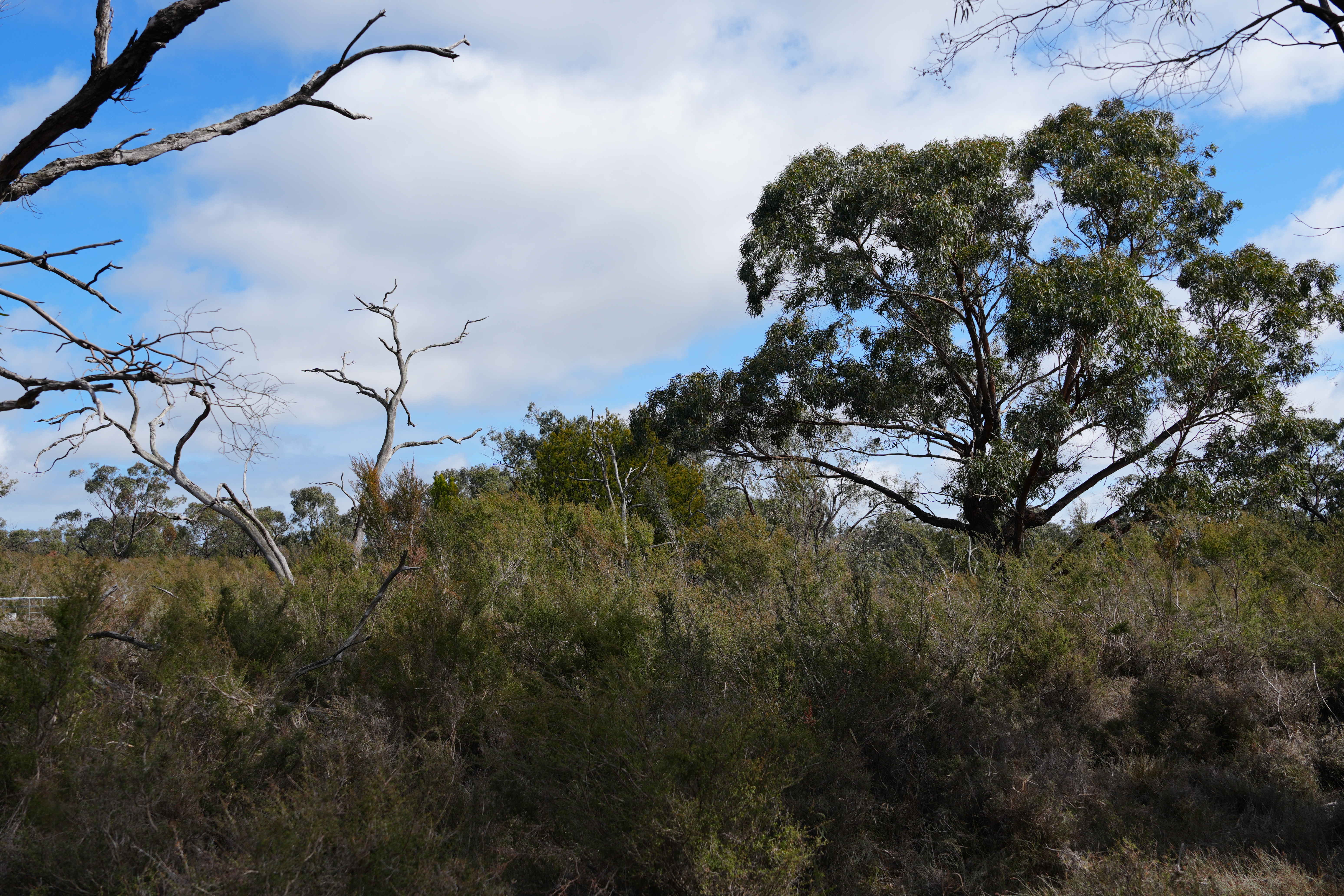
The local sandy soil where the conservation work has been carried out, at Melbourne's south-eastern fringes on Bunurong Country, is a good fit for the nocturnal pookilas' life in burrows.
A first release was done in May 2024, bringing the mice back to the area for the first time in half a century.
More recent releases in June and September this year give the animal time to establish themselves and their burrows before natural predators like snakes come out in summer.
To start each morning Mr Archer heads to feed stations for maintenance and to collect video from the previous night.
"Throughout the day I'll go over the footage, make sure they're all okay and see what they've been up to overnight, and I finish off my day by putting out their food," he said.
Those supplementary feeds aid the mice as they get used to their new surroundings, Mr Archer explained, before hopefully stretching a little further into the surrounding habitat.
"A lot of the plants around here, including the tea tree, are going to start flowering as we go into spring…it's a really good sign that there's food availability springing up for the mice, and that's what they need to better prepare themselves for moving out of the release sites," he said.
There's more encouraging evidence.
"We think we've got two mice that have moved 100 meters away from the site, which is really good news," Mr Archer said.
"We've just got to find out who they are and what they're doing."
A mouse from 2024's release has similarly made the 100m journey away.
"That's a good sign that they're capable of moving across the landscape here at Cranbourne and the habitat is good for them to want to, and hopefully that there's no big threats for them preventing that."
The pookila breeding cycle is naturally slow and takes place in burrows, meaning confirming mating and re-population successes will become clearer in future.
In addition to numbers present further east in Wilsons Promontory and Loch Sport, Cranbourne is planned to be the state's 'insurance population' - a genetically diverse group of a species to help stop their extinction.
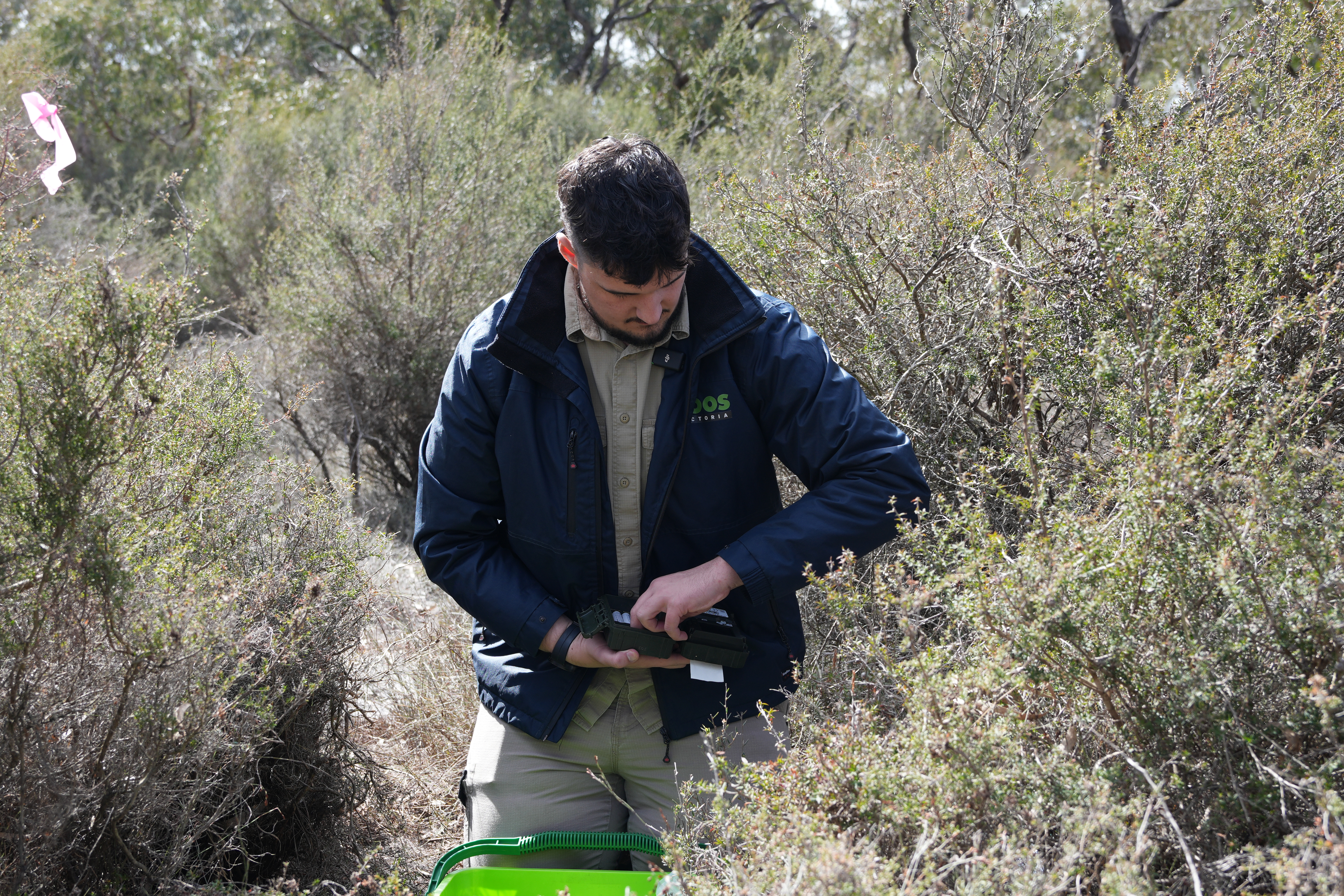
Mr Archer is bulk of the way through his internship. Native Rodent Biologist Dr Pheobe Burns leads the project on which he's been working.
"His passion and enthusiasm for conservation and for native rodents is really encouraging and exciting to see, and he's an absolute pleasure to work with," she said.
"We want to see a healthy and thriving population of pookila here at Cranbourne where they have reprised their role in the natural ecosystem - in soil turnover and seed and fungal spore dispersal..those roles that they're supposed to be playing here.
"If we can restore the mice to the gardens then they can help to make the whole area healthier and more sustainable."
View this post on Instagram
Since starting in 2023, Zoos Victoria's Baillieu Myer Conservation Internship has employed nine young scientists in paid internships to help protect the state's endangered species.
One position is offered each year to a First Nations intern.
Yorta Yorta woman Gemma Cadd was involved in 2024.
Ms Cadd looked at the future of how AI can be used as an efficiency tool in camera trap images within recovery programs, including a mix of field work, with animals, education and public engagement.
She said it was an "unforgettable", "culturally important" experience.
"Ever since I was a child, I always loved animals, and it was always my dream to have a job working with animals. Part of this has to do with the deep connection my Koorie heritage has with animals, the land and waterways and its importance in Dreaming," Ms Cadd said,
"As I grew older and learned about all the challenges our natural ecosystems are facing, this evolved wanting to be involved in Wildlife Conservation and Caring for Country. I also loved being part of Zoos Victoria's efforts to work more closely with Traditional Owners, supporting conservation work on Country."
Ms Cadd is now a conservation research assistant, working with species like the Victorian Grassland Earless Dragon at Zoos Victoria.
Mr Archer is keen on post-grad studies to continue in the field which had been a "dream" to enter.
"I want to look into the relationship between fire regime, fire composition and its impact on native rodent populations."



