




The federal government has again failed to meaningfully acknowledge the overincarceration of Indigenous people, First Nations legal groups say, arguing its approach is not improving community safety.
Last week's Closing the Gap report showed incarceration rates for Aboriginal people continue to rise nationwide. Independent analyses have partly attributed the increase to "punitive" bail laws introduced by states and territories.
The Commonwealth's response has drawn criticism from legal and policy experts, who say it has been too lenient on jurisdictions that ignore their commitments under the agreement. Several have previously told National Indigenous Times the framework is ineffective if governments can breach it without consequence.
The National Aboriginal and Torres Strait Islander Legal Services (NATSILS) says the government's continued focus on dialogue with states and territories, whilst meaningful reform is delayed, is dangerous.
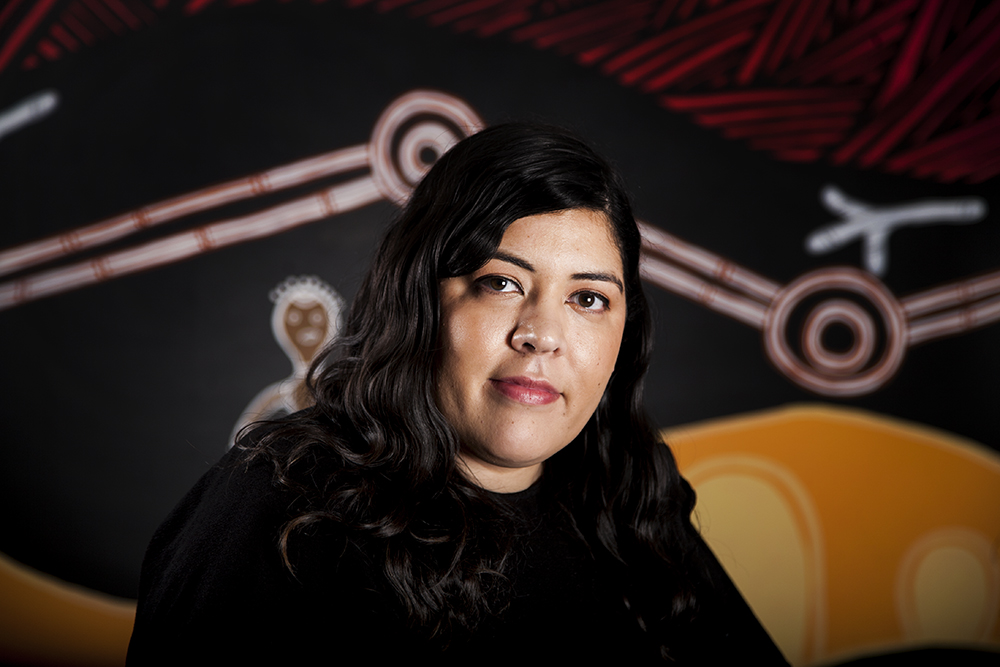
"We need decisive action and leadership from the Prime Minister to address Closing the Gap failures - something that he should not shy away from and instead work with us directly to improve," said NATSILS acting chair Nerita Waight.
"We are calling on the Prime Minister to step up and call a national summit on youth justice so we can make meaningful progress in Closing the Gap, not just gloss over the worsening incarceration gap."
Speaking in Parliament last week, Prime Minister Anthony Albanese acknowledged governments had failed to curb rising incarceration, saying: "No one should grow up imagining that prison is a rite of passage. And as a society, our definition of justice must be measured by more than the capacity of our jails."
However, he argued states and territories "have every right to put the safety of their communities first".
Research from the Australian Institute of Criminology found First Nations people are disproportionately held on remand under increasingly restrictive bail laws, many of which run counter to a central recommendation of the Aboriginal Deaths in Custody Royal Commission that detention be a last resort.
Some governments — particularly in Queensland and the Northern Territory — have openly rejected aspects of the agreement when they conflict with political priorities.
Experts and advocates have called for the government to impose financial penalties on jurisdictions that fail to uphold the agreement, a proposal Minister for Indigenous Australians Malarndirri McCarthy cited last week.
"We have levers that we can pull," she said on Thursday morning, "and I know that through the Northern Territory Remote Aboriginal Investment...that is certainly an agreement between the Commonwealth and the Northern Territory where I have pushed for those levers to be looked at."
The Commonwealth provides about 80 per cent of funding to the Northern Territory, which is facing a High Court challenge from North Australian Aboriginal Justice Agency over its bail laws.
View this post on Instagram
Independent Senator Lidia Thorpe called for financial penalties to be embedded in the Closing the Gap agreement, describing it as a "failure".
"Without enforceable accountability, it has become little more than a reporting exercise, documenting state violence while our children are stolen and our people are caged and killed in custody at rising rates," she said.
Ms Waight agreed, arguing the Prime Minister needs to "have the guts to stand up" for Indigenous people against the states and territories.
"There are levers to pull in terms of the funding agreements with states and territories that will drive real policy change and improve the lives of Aboriginal and Torres Strait Islander people, and especially our children," she said.
"Our communities are severely over-policed and impacted by structural discrimination and disadvantage. More and more people are languishing in police watch-houses, court cells and prisons before having their day in court - including people who ultimately won't receive a prison sentence."
View this post on Instagram
While the federal government has maintained youth justice settings — including the minimum age of criminal responsibility — are matters for states and territories, legal advice obtained last year by the Justice and Equity Centre from barristers Kate Eastman AM SC and Emma Dunlop found the Commonwealth could act under section 51(xxix) of the Constitution to meet its international obligations.
Meanwhile, suicide rates among First Nations people — which the Prime Minister has linked to incarceration — continue to rise. Last year recorded the highest number of Indigenous deaths in custody since official records began in 1979.
The Productivity Commission's latest Report on Government Services shows youth detention costs an average of $1.3 million per child each year, or more than $3,600 a day. Victoria recorded the largest annual increase in youth detention, with numbers up 37 per cent. The cost per young detainee there exceeds $2.6 million a year — the highest in the country.
"The current approach is not making communities safer — harmful laws that incarcerate Aboriginal and Torres Strait Islander adults and children as young as 10 do the exact opposite," Ms Waight said.
"We need real investment in therapeutic supports and community-led solutions that prevent interaction with the justice system in the first place, which will make our communities safe."



