




First Nations people are being disproportionately held on remand under Australia's increasingly restrictive bail laws, according to new research highlighting the impact of tougher "law and order" reforms across the country.
A study by the Australian Institute of Criminology (AIC), commissioned by the Indigenous Justice Clearinghouse, identified 36 punitive amendments to bail laws between 2019 and 2025 that have made it significantly harder to obtain bail. The changes have resulted in stricter bail conditions overall, with First Nations people more likely to be subject to them.
Across both Labor- and Liberal-led states and territories, governments have introduced tougher bail measures, often following high-profile crimes committed by people on bail. The trend runs counter to recommendations from the Royal Commission into Aboriginal Deaths in Custody, which called for incarceration to be used only as a last resort.
"Commentators have criticised these reforms for their 'law and order' approach to the criminal justice system, which has detrimental impacts on vulnerable groups and disproportionately affects Aboriginal and Torres Strait Islander communities," the AIC report states.
"A particular concern is the diminishing of the presumption of innocence and that pre-trial detention — previously a last resort — is becoming increasingly common, especially for Aboriginal and Torres Strait Islander bail applicants."
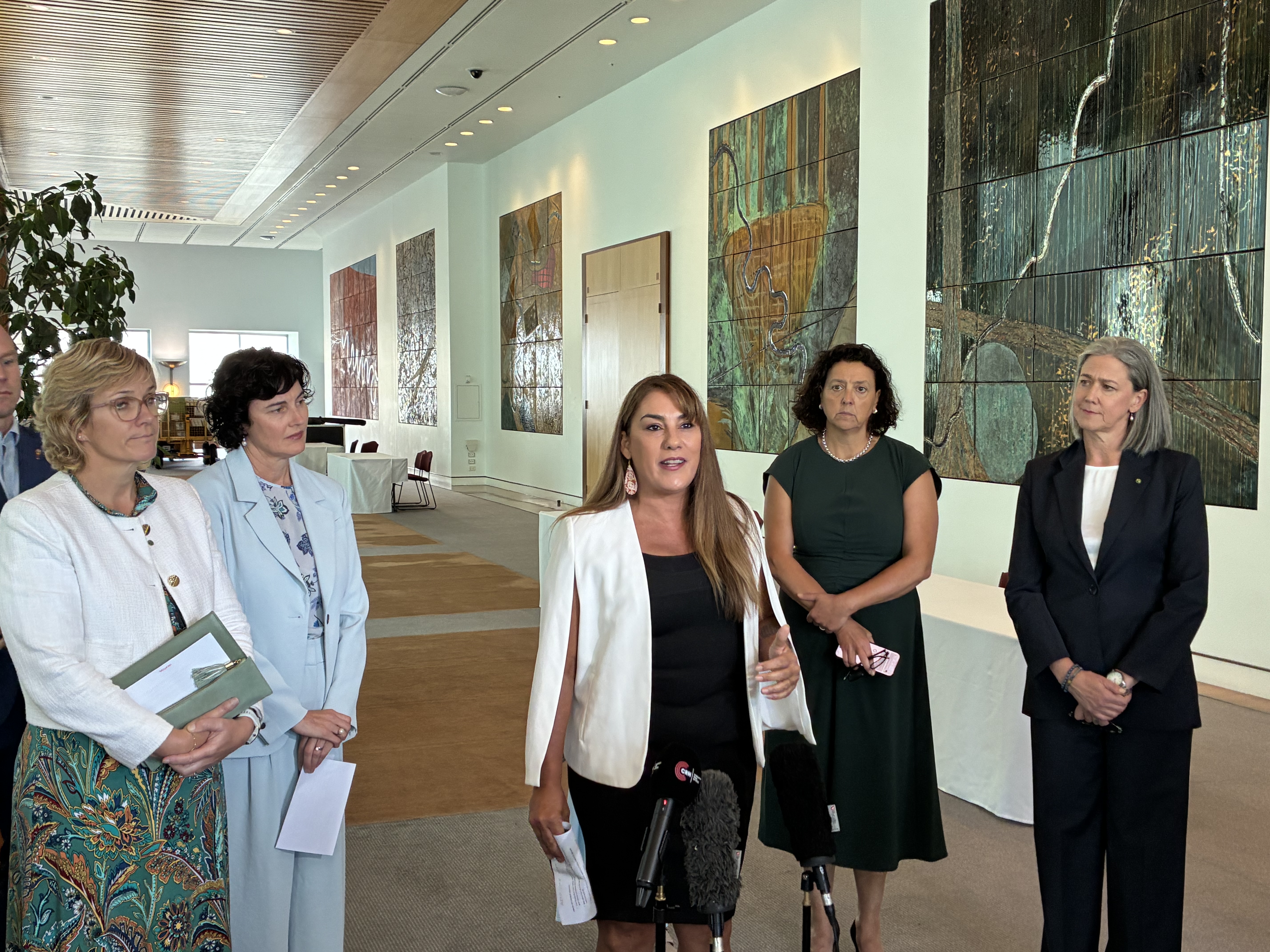
Independent Senator Lidia Thorpe says the research only shows what Indigenous groups have long known and have called out: "Punitive bail laws across the country are driving First Peoples, including children, into prisons."
"It shows how much harm these 'tough on crime' laws are causing First Peoples. We are being disproportionately targeted, criminalised and locked up. Many people do not make it out alive," Senator Thorpe said.
"Punitive bail laws are driving us into prison and the more of us who are locked up the more of us die in custody."
Last year, the Victorian Government introduced two tranches of bail reforms it said would make it "almost impossible" for repeat offenders to secure bail. The changes included a broader bail test, modelled on controversial New South Wales laws, and apply to both adults and children.
In NSW, the laws have drawn criticism from Indigenous, legal and human rights groups and have coincided with an increase in the proportion of First Nations adults refused bail.
Closing the Gap data from last year showed almost 44 per cent of Indigenous prisoners were unsentenced, up from one-third in 2020. The Indigenous adult imprisonment rate rose by 46 per cent between 2013 and 2024, compared with a 10 per cent increase for non-Indigenous adults.
For those on remand, numbers increased by 83 per cent over the same 11-year period.
Data from the NSW Bureau of Crime Statistics and Research (BOCSAR) found Indigenous adult defendants were refused bail at double the rate of non-Indigenous defendants between 2014 and 2023.
In a submission to the Senate's youth justice inquiry, the Northern Australia Aboriginal Justice Agency (NAAJA) said, "Almost 400 Aboriginal young people were held in NT police watch houses over a six-month period in 2025, despite the widely reported human rights issues concerning the operation of these facilities".
Most were held on remand for an average of 56 days, and many were never convicted. One child aged between 10 and 14 spent more than 238 days on remand before the charges were ultimately dismissed.
View this post on Instagram
The report also found the "over-policing of Indigenous communities and of bail conditions" were also contributing to the "over-representation of Indigenous people on remand in the criminal justice system".
AIC Deputy Director Dr Rick Brown said the "rates of First Nations people being held in jail before trial keep rising".
"This study helps policymakers understand the real factors driving this concerning trend," Dr Brown said.
Senator Thorpe attributed the rising incarceration rates to the federal government's failure to bring states and territories into line with justice policies aligned with the National Agreement on Closing the Gap.
"If the Albanese government is serious about reducing deaths in custody, it must reverse this dangerous trend towards punitive bail laws," she said.
"We've known what works for decades. What's missing is courage from Canberra. Ending the over-incarceration of First Peoples and deaths in custody must be a priority, and can start with fixing bail."
She called for increased federal investment in therapeutic bail support services and safe accommodation options to help people access housing, health care, disability support and rehabilitation while on bail. The Senator said such measures would "save lives" and "help people get back on track," while improving community safety and reducing costs.
The Productivity Commission's latest Report on Government Services shows youth detention costs an average of $1.3 million per child each year — more than $3,600 a day. Victoria recorded the largest annual rise in youth detention, with numbers up 37 per cent. The cost per young detainee there exceeds $2.6 million a year — the highest in the country.
"If even a small part of the money we're wasting on locking people up on remand was redirected into community-led, culturally safe support, we could break cycles of harm instead of entrenching them," Senator Thorpe said.
"The government must follow through on its commitment to impose funding consequences on jurisdictions that drive up incarceration. Now is the time to act."



