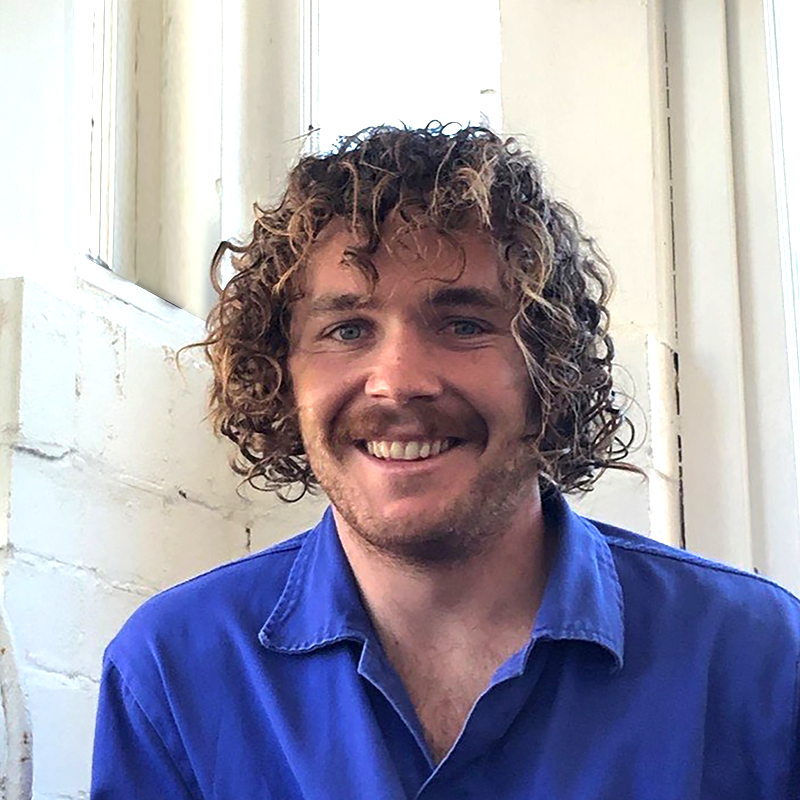

Three years on from the Voice referendum defeat, "we can't shy away" from a feeling things are going backwards, but there's no better time than now to pursue the framework which led to the proposal, a First Nations youth leader says.
It's a shock to realise three years have passed, and the anniversary remains a challenging date for many people, Wiradjuri woman Byrdie Zorz told National Indigenous Times.
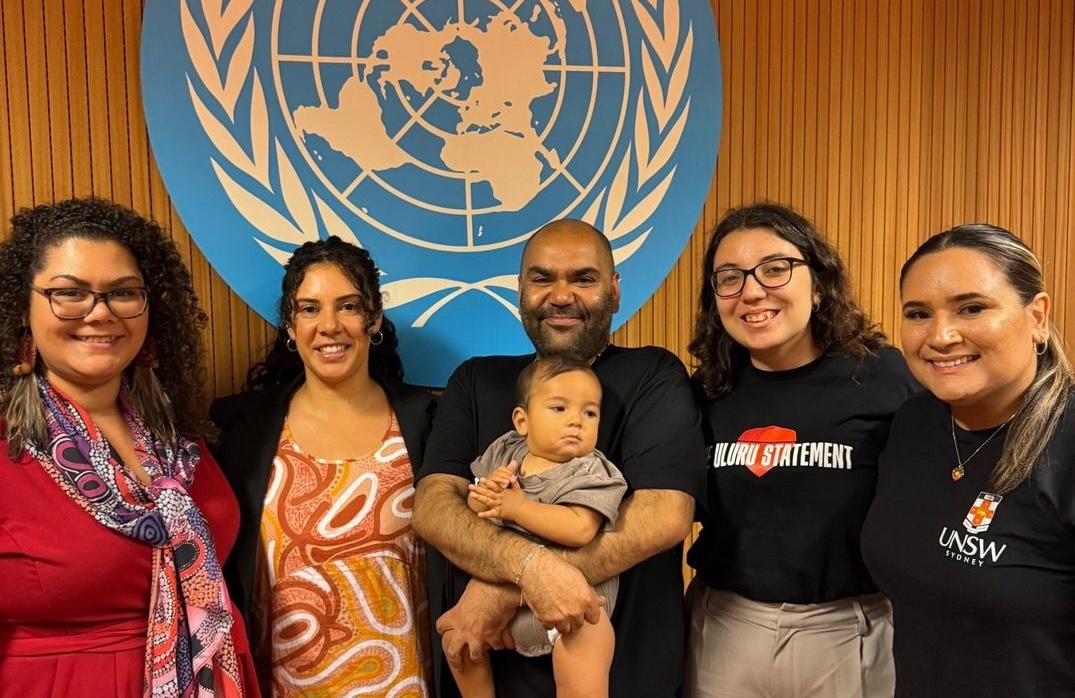
Ms Zorz is a youth ambassador for the Uluru Youth Dialogue.
The Uluru Dialogue is a collective group who mandates the Uluru Statement From the Heart.
The Statement — written, endorsed and signed by delegates almost a decade ago — proposed elements of what would later be put forward by the federal government in the referendum including the First Nations Voice to Parliament, alongside establishment of a Makarrata Commission (towards Treaty) and Truth-Telling.
The 2023 referendum also put forth constitutional recognition for First Peoples.
What stands out to Ms Zorz, she said, since October 2023 is "how incoherent" First Nations-centred policy has been in its wake.
"It clearly isn't doing what it needs to do for our people or our communities. So I feel confident in saying that that has gotten worse," she said.
"I think we needed more from our government then at the time of the referendum. That's why the voice was called for, and we still need more from our government now."
Recent national Closing the Gaps annual reports have identified key commitments making little or no progress, as well as sliding backwards, Ms Zorz pointing to this stating "something needs to change".
For young people, she feels racial discrimination has intensified, after heightening in the lead up to the referendum.
Mental health services available, food insecurity, out of home care and child protection policies are also front of mind.
Going forward, it's young people who can drive change to address this and the broader proposals raised by the Uluru Statement, she said.
It's "our responsibility" Ms Zorz added.
"I think the beauty of the Uluru Youth is that we're so spread out and we all have our own communities and areas that we work in. But the thing that really ignites us is the mandate of the Uluru Statement, and our want to see that be enacted.
"All of our conversations post referendum have really centred on the fact that the need for meaningful constitutional recognition, and structural reform as well, is clearer for us now."
"If there was any time to get serious," and move forward as a collective following the Statement's proposals the Ms Zorz added: "I think now's the time to do it."
A critical view of progress in the three years since Australians went to the polls have come from others.
This week, Former Yoorrook Justice Commissioner Travis Lovett and Senator Lidia Thorpe expressed similar sentiments to Ms Zorz.
Senator Thorpe, who cut ties with the Greens in the lead up to the election as the party endorsed the Voice, and led the Blak Sovereign Movement who instead prioritised recognition of sovereignty and Truth-telling, said First Peoples had been "completely abandoned" post-referendum.
.jpg)
Mr Lovett said "the Government continues to fall short of the action needed to confront the systems that harm First Peoples".
"We are left waiting yet again."
Delivering the 2026 Mokak Oration on the three-year anniversary, Professor Megan Davis, a co-chair of the Uluru Dialogue, said the Uluru Statement remained a "blue print" for what's required.
"Whatever way states and territories may be implementing it in this era," Professor Davis added, "we can't change the reality that without a federal voice, the gap will not close".
"And without a federal voice, so that people can be assured that the people who are giving advice to government are chosen from their own communities, Aboriginal people and Torres Strait Islander people will never be able to achieve the right to self-determination."
Much was promised had the referendum gone the other way, Mr Zorz believes.
"We'd be in a completely different place than where we are now," she said.
"The whole point of the Voice was to improve the information that governments get, so they can make better decisions about us and about the issues that are impacting us...if the people dealing with these issues firsthand are able to pass that information directly to decision makers and have their voices heard as well on the issues that are impacting them.
"Our decision makers would be better informed. But, unfortunately, because the referendum lost, that's not a reality for us at the moment."