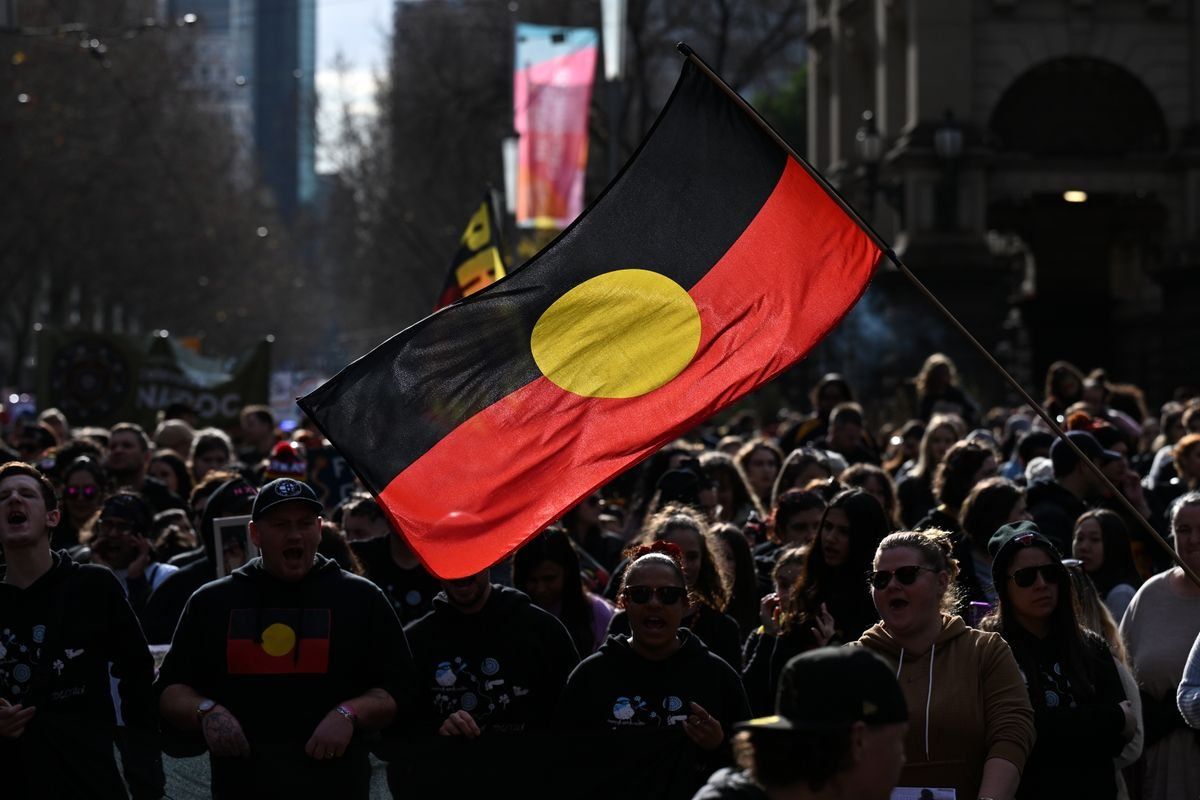
Three years after the Voice referendum defeat, the Labor government's efforts in Indigenous affairs continue to draw criticism from First Nations leaders, who say the government has moved away from its promises.
The referendum defeat on that Saturday evening in 2023 followed a campaign many considered disastrous. Whilst the overwhelming majority of Indigenous people voted yes, more than 60 per cent of the population voted against an enshrined First Nations voice in the constitution.
Three years on, the political response from senior members of the government, including the Prime Minister, has drawn the ire of leaders across the country.
The government's political capital took a significant hit in the 12 months that followed, and it was only a disastrous 2025 electoral campaign by the Coalition, marked by faux pas and culture wars, which saw Labor regain the electoral high ground.
However, despite its massive majority in Parliament, the government has refused to enact significant reforms called for by Indigenous leaders. Despite committing to the Uluru Statement from the Heart, two of its key elements — truth-telling and treaty — remain off the table.
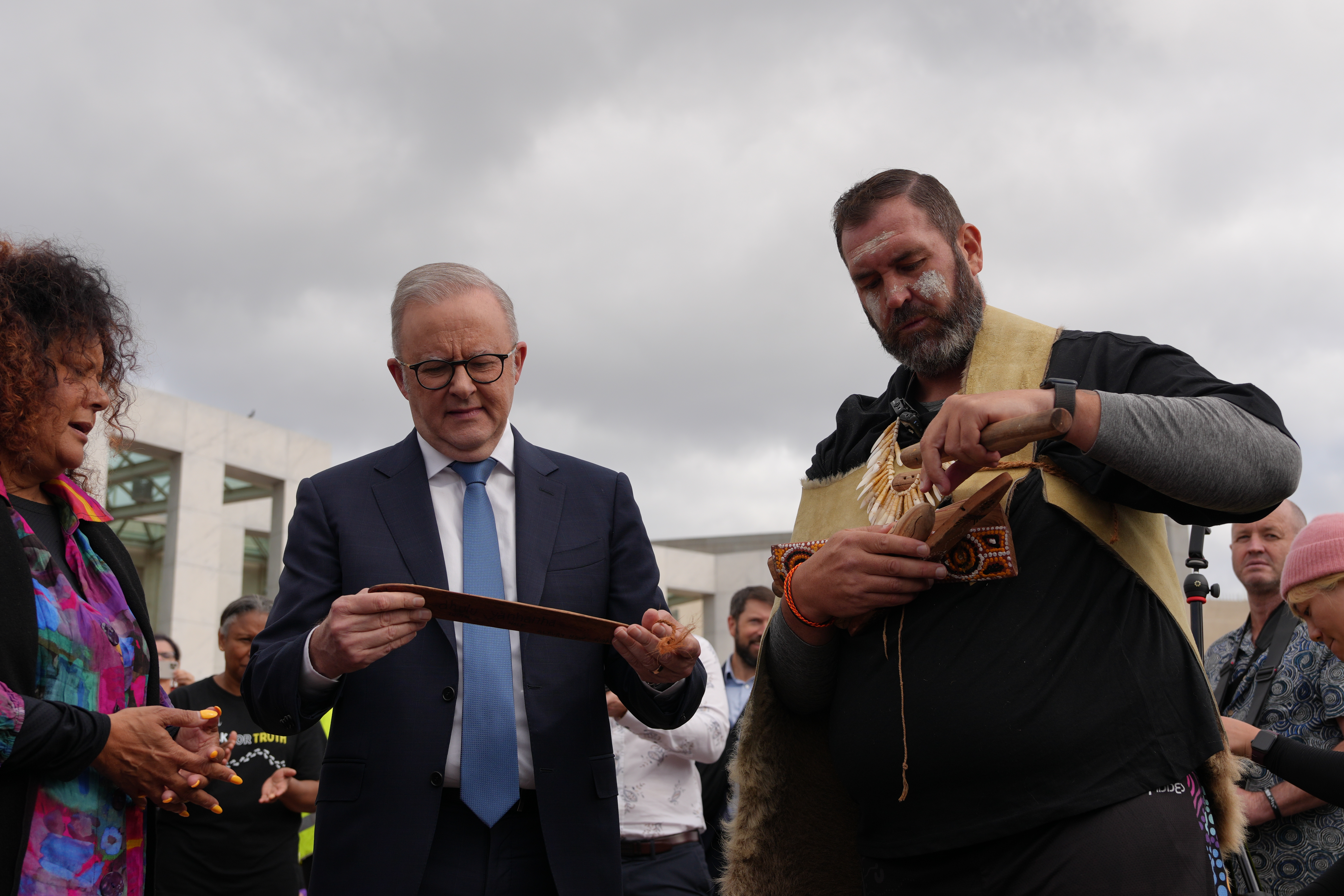
Former Yoorrook Justice Commissioner Travis Lovett walked from Melbourne to Canberra this year to call for a national truth-telling body. He told National Indigenous Times three years on from the referendum defeat, "all we hear from the Government is about Closing the Gap".
"But we will never close it if we refuse to confront why it exists," he said.
"Communities across the country have called for a national truth-telling process. We walked all the way to Canberra to deliver that message. Yet the Government continues to fall short of the action needed to confront the systems that harm First Peoples. We are left waiting yet again."
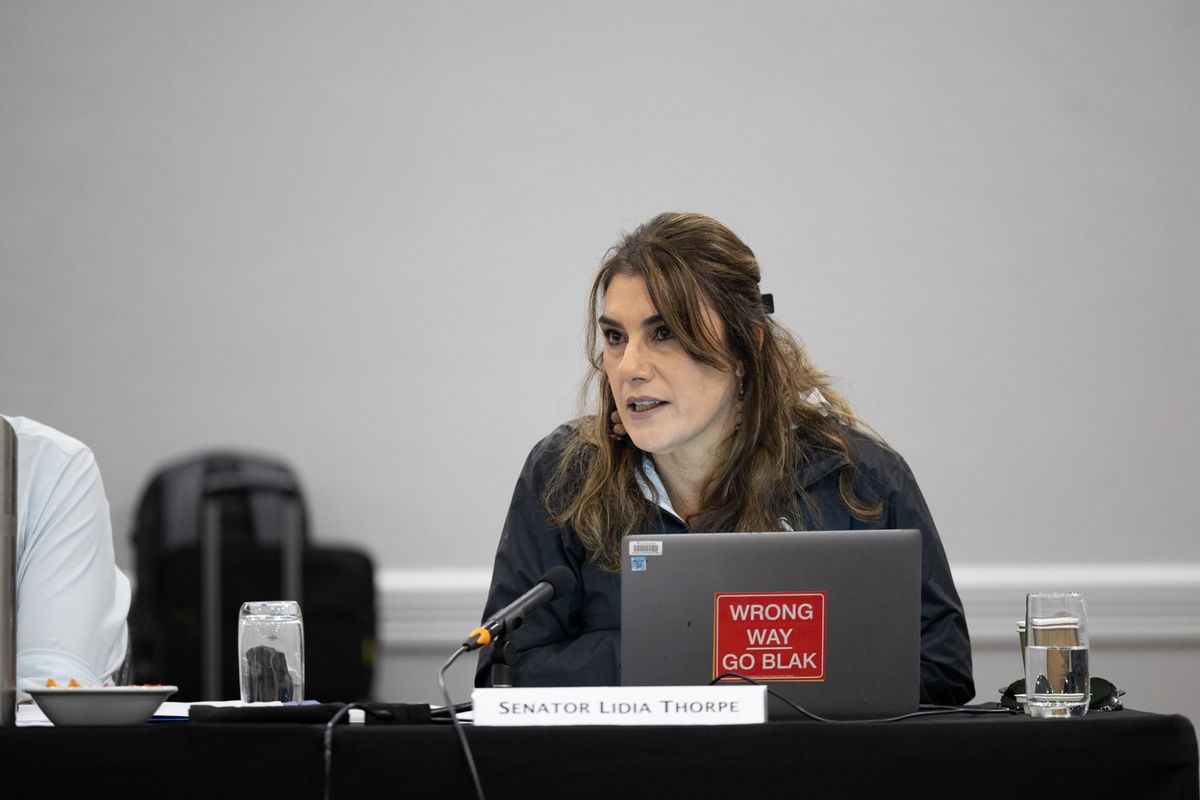
Senator Lidia Thorpe left the Greens in 2023 in part over their support for the Voice. The Gunnai, Gunditjmara and Djab Wurrung woman says since the referendum defeat, the government have "completely abandoned First Peoples".
"Constitutional recognition was never our priority," she argues.
"When our people marched across the Harbour Bridge in the year 2000, we were calling for Treaty. Labor have shown they do not work in the interests of First Peoples; they do not care about justice for us."
She tells National Indigenous Times the government's opposition to issues such as her shackling during childbirth and banning of strip searches bills (the government says they are issues for the states) is evidence of their lack of care for the concerns of many First Nations people.
"Their Closing the Gap framework has gone backwards under Labor," Senator Thorpe says. "They're cutting tens of millions from the National Indigenous Australians Agency, and this country has become more racist than ever, while those profiled in the Yes campaign have been handed board and commissioner roles at the expense of grassroots self-determination."
Former Indigenous Australians minister Ken Wyatt, who quit the Liberals over their opposition to the Voice, has also been critical of the direction the government has taken.
He told The Australian last month: "What statements have you seen from the Minister for Indigenous Affairs [Malarndirri McCarthy] that are proactive since the Voice? And what has come from the Prime Minister? He was very active during the Voice. Since the Voice, there's been very little."
Since the referendum, the government has focused on economic empowerment for First Peoples, as well as jobs and remote housing. Earlier this year, the Prime Minister told Parliament that the government wanted "land to be a basis for prosperity and economic sovereignty, not a barrier to it".
"In energy and construction, tourism and fashion, hospitality and technology, Indigenous Businesses are winning awards — and creating jobs," he said.
"Indeed, they are between 40 and 100 times more likely to employ Indigenous Australians. We are boosting the financing capacity of Indigenous Business Australia — backing more entrepreneurs to get their great ideas off the ground."
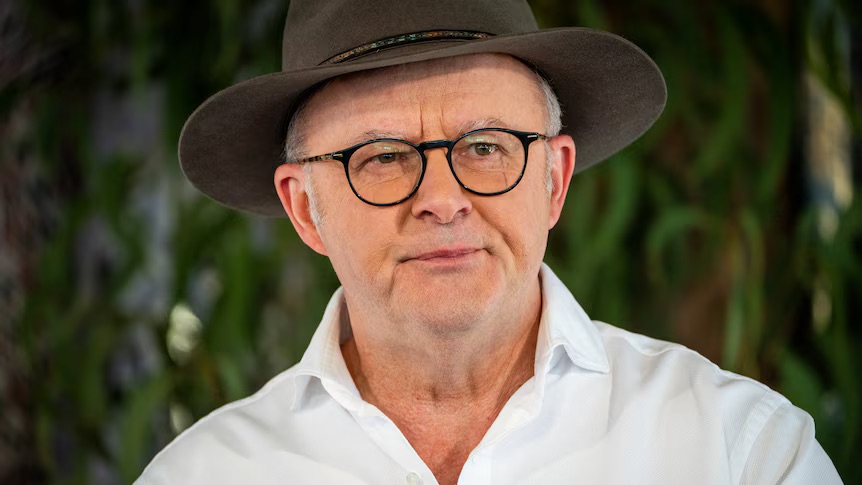
There is no doubt that the Prime Minister and members of his government want a better future for First Nations people, with Anthony Albanese previously committing to "continue to seek better outcomes for Indigenous Australians and their children and the generations to come," whilst also promoting the Closing the Gap agreement as a key element of his government's agenda.
Landmark policies such as the Remote Jobs and Economic Development Program (RJED) — which superseded the failed, Coalition-era Community Development Program (CDP) — and the 10-year, NT/Commonwealth joint remote housing deal have been widely welcomed.
Furthermore, the government can rightfully point to unglamorous but vital reforms such as its Low-Cost Essentials Subsidy Scheme — led by Senator McCarthy — which has reduced prices on 30 essential grocery items across 225 remote stores nationwide, and the legislating of a First Nations child commissioner — long called for by advocates — as just some of the work it is doing for Indigenous Australians.
However, people who have spoken to this masthead — some ideologically opposed to Labor — have argued Senator McCarthy has often been sidelined from some issues she cares about, or asked to take on a cultural load for matters not in her portfolio. When a child protection scandal erupted in WA, it was the Yanyuwa woman forced to answer questions, rather than the social services minister, prompting a rare defence of the Minister from Senator Thorpe.
Whilst Labor has a strong, passionate, and proud First Nations caucus that has led inquiries into racism and youth justice, some have observed that since the Voice, the government has rarely enacted anything that could be deemed even slightly radical in the First Nations space.
However, the results are going backwards.
The latest Productivity Commission data shows only four Closing the Gap targets are on track to be met, with five improving but not on track and two showing no change.
Four key measures — suicide, incarceration, developmental outcomes and children in out-of-home care — are worsening.
Furthermore, racism and violence towards Indigenous people have become commonplace but largely ignored by the mainstream media. The government has also ignored legal advice to intervene in the justice systems of states and territories that are incarcerating children as young as 10, telling Parliament they are free to govern as they see fit on matters of law and order.
Mr Lovett argued that First Peoples have "been left increasingly exposed to racist pile-ons and devastating acts of violence" since the referendum, citing the alleged January 26 terror attack in Boorloo, the booing of Welcome to Country ceremonies and the "murdering of our women".
"The gap can never be closed without confronting the truth, and the Government cannot claim to be building social cohesion while First Peoples are left to bear the brunt of racism and injustice," he said. "Three years on, we are still waiting to see leadership and action from the Government."