




A parliamentary inquiry has recommended that a bill to prohibit the shackling of women during childbirth in prison not be passed.
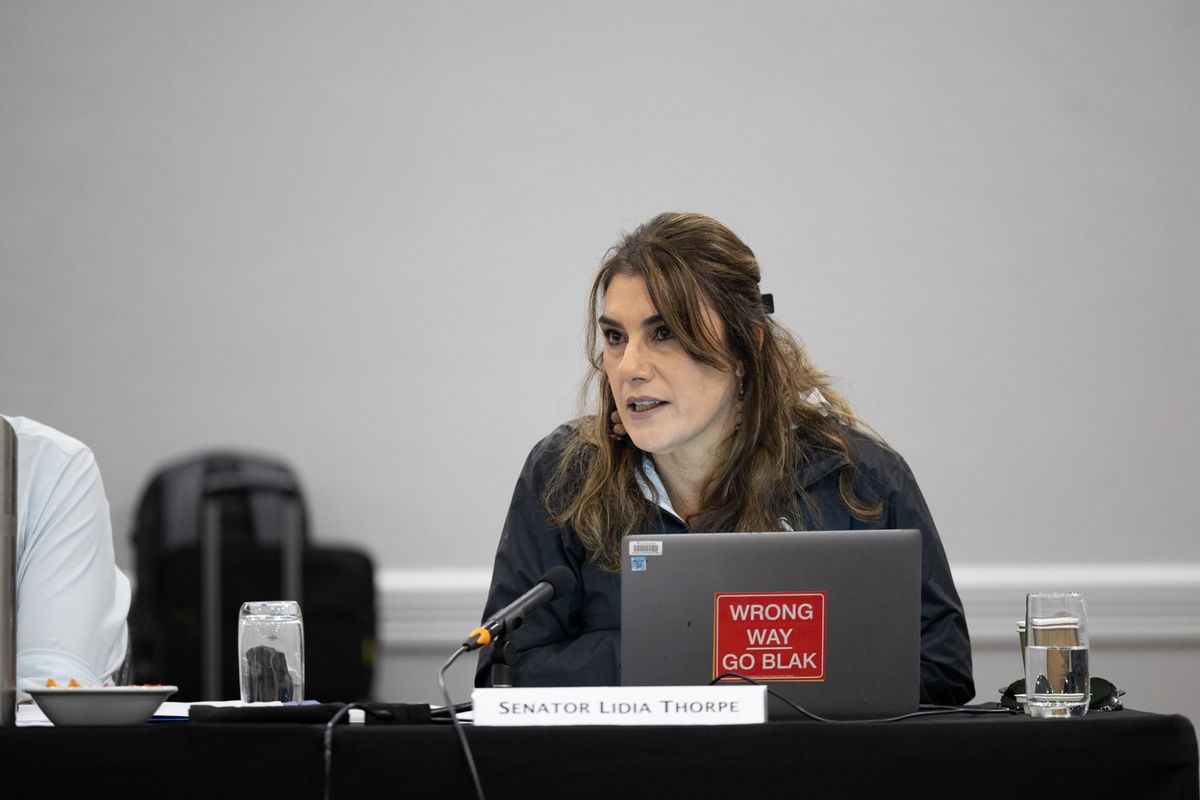
The private member's bill, introduced by independent senator Lidia Thorpe, would prohibit the use of restraints on people during labour and childbirth.
While some jurisdictions have policies and guidelines to restrict or prohibit the practice of shackling, Senator Thorpe noted that "these guidelines often create exemptions which lead to the person in question being shackled anyway".
"Shackling people during childbirth is cruel, inhumane, degrading and traumatic. It strips people of their dignity during one of the most difficult and important experiences a person can go through," she told Parliament.
"Giving birth is already one of the most physically and emotionally intense experiences a person can have. Giving birth in prison or any other custodial setting compounds this. Giving birth while being shackled compounds it further still."
She argued that the Commonwealth could use its power to legislate national minimum standards and give effect in law to the human rights agreements Australia has ratified.
The inquiry recommended that the Commonwealth "consider appropriate pathways to engage with States and Territories, to address the issues raised by the bill", as well as recommending that the federal government work with the Australian Institute of Health and Welfare and the states and territories to collect data on how many women are pregnant and give birth while in custody in Australia each year.
However, it did not recommend prohibiting the practice via Commonwealth intervention, noting that this is the remit of the states and territories.
"Despite having views on the need for reform in this area, the committee has no choice but to not recommend this bill be passed," it wrote.
In response, Senator Thorpe said the evidence before the inquiry was unanimous: "Shackling during childbirth is dangerous, traumatising, degrading and unnecessary, and the Commonwealth has clear power to end it."
"Every submission and witness recommended my Bill be passed," the Gunnai, Gunditjmara and Djab Wurrung woman said.
"Yet Labor and the Coalition have recommended that my Bill be voted down, saying this is only a matter for the states and territories.
During the hearing, the family of Heather Calgaret, a 30-year-old Aboriginal woman who died in custody, gave evidence. The passing of the Noongar, Yamatji, Wongi and Pitjantjatjara woman — found to have been preventable by a coroner — came not long after she gave birth to her fourth child at Melbourne's Dame Phyllis Frost prison.
"My sister was not just restrained while giving birth," Ms Calgaret's sister, Suzzane Calgaret, told the inquiry. "She was also shackled when holding my niece for the first time, so she only got to hold her with one hand, one arm.
"It definitely made a big psychological, emotional wreck of her when she came back into custody because she was only allowed two more hours with baby after giving birth and then sent back to prison."
In response, Senator Thorpe asked: "How can the major parties hear stories like this and still decide to allow this torture? It's outrageous."
In a statement on Thursday, she said it was clear from previous issues around people in custody that the states and territories "will not take this on".
"They have already failed to stop this practice despite previous inquiries and recommendations," she said. "We are also seeing states and territories clearly moving backwards when it comes to respecting the rights of people in custody."
She said she had prepared amendments for the bill, which will face a vote in Parliament next week.



