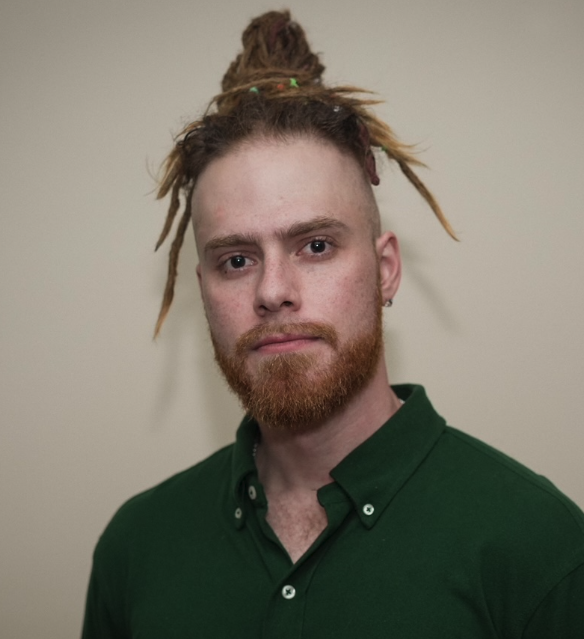

Training doctors in rural and remote communities and including First Nations knowledge and leadership in medical education could strengthen healthcare access, build the workforce and improve health outcomes across Australia and beyond.
A paper led by Flinders University and published in the British Medical Journal examines how medical schools can prepare doctors to deliver care that responds to local needs.
The paper calls for greater support for First Nations medical students, more opportunities for First Nations leadership and cultural safety throughout medical training.
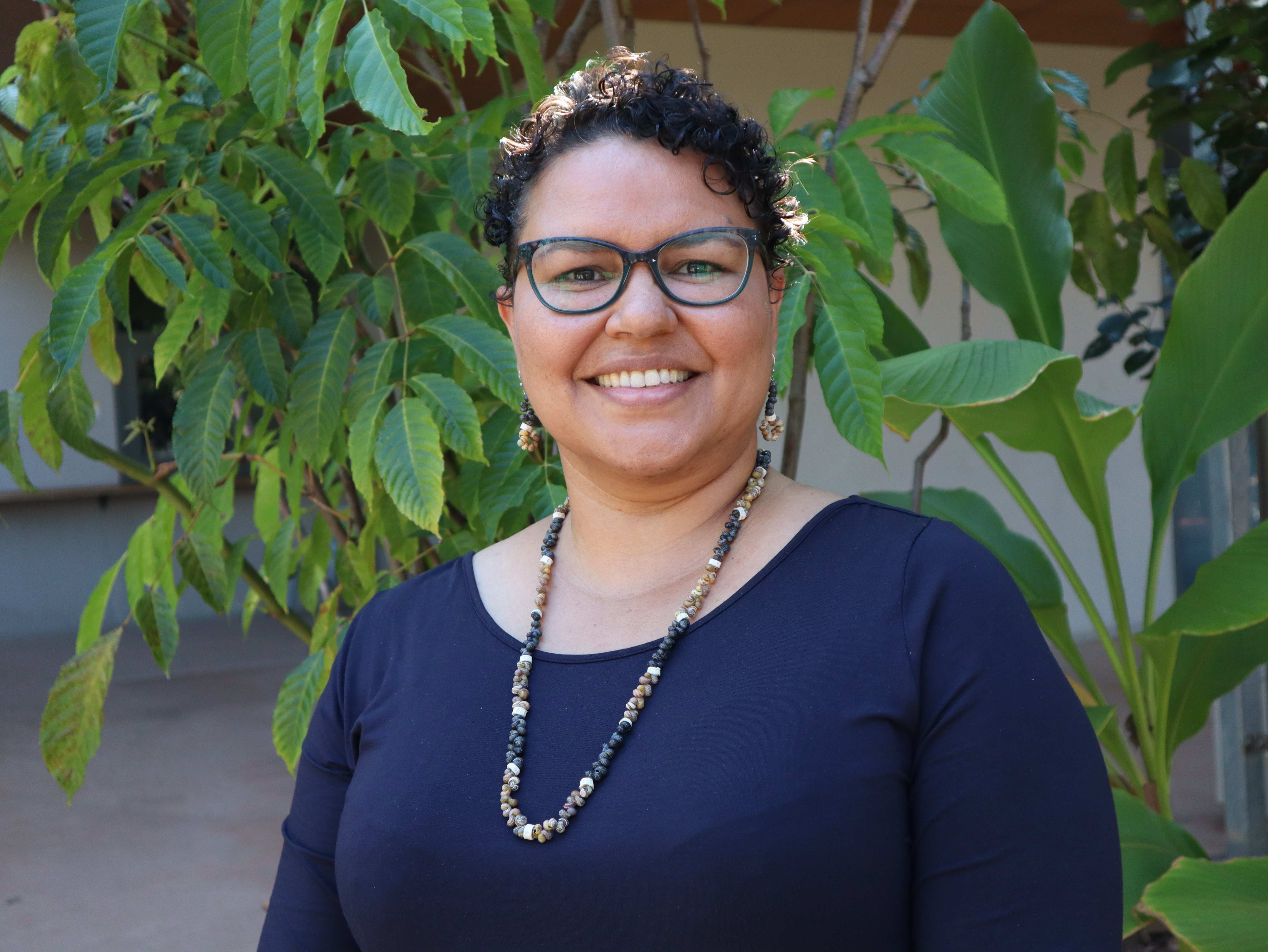
Wagadagam Torres Strait Islander woman and co-author, Jaquelyne Hughes, highlighted the role of community knowledge in shaping healthcare.
"Communities hold valuable knowledge about what works for their people," Ms Hughes said.
"When First Nations voices are included in education, research and healthcare delivery, we create stronger systems that are more culturally responsive and more effective for everyone."
The paper identifies recognising First Nations sovereignty and reconciliation as critical to improving health and wellbeing outcomes.
Drawing on evidence from Australia and overseas, it examines the benefits of training in local communities and building partnerships, with the location of medical training influencing where graduates choose to work.
Australia's investment in rural medical education over the past two decades provides evidence of the benefits of targeted training programs.
Between 2016 and 2018, more than 30 per cent of government-supported medical students spent at least a year at a rural clinical school.
Graduates with substantial rural placement experience were significantly more likely to enter rural medical practice.
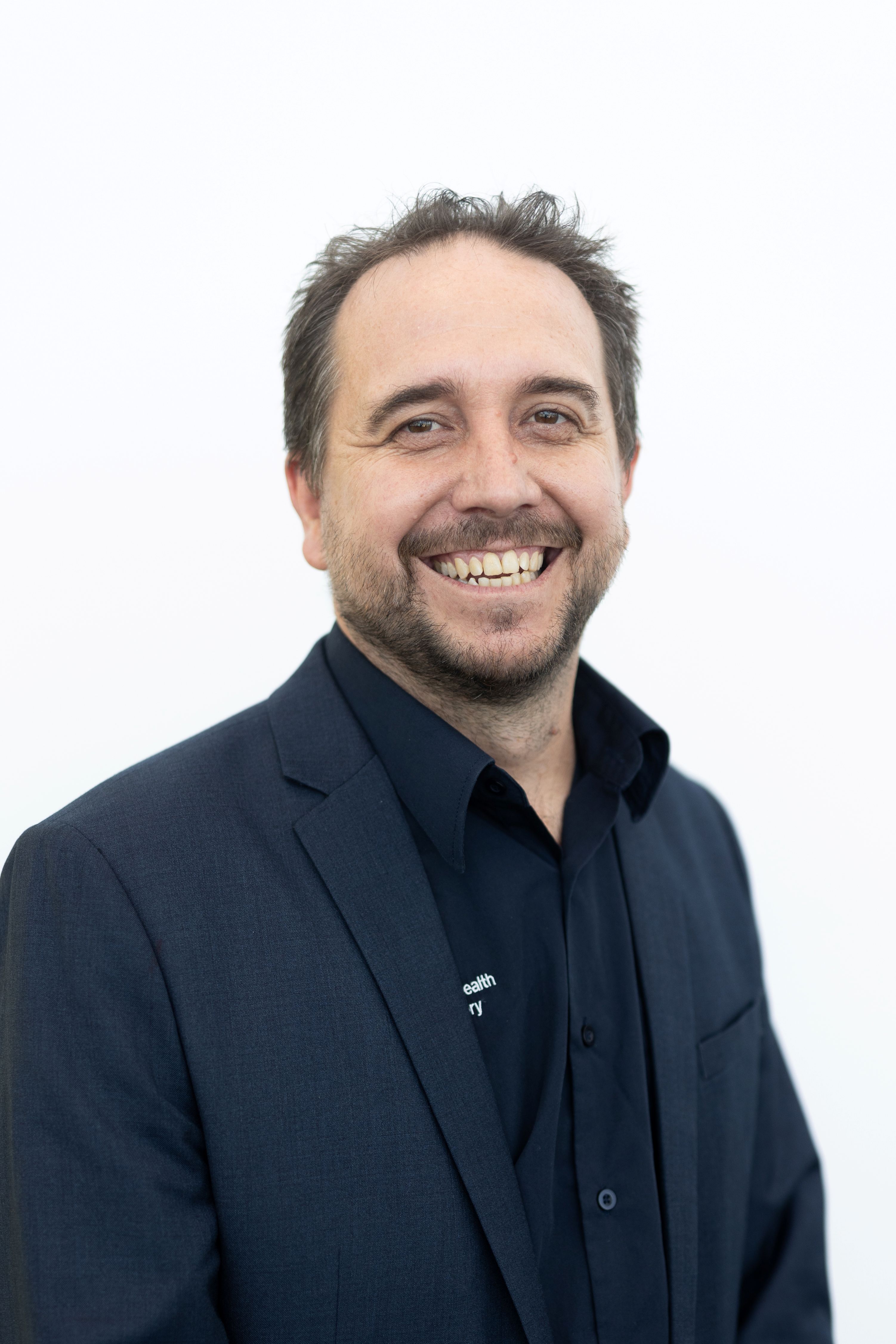
Lead author James Smith, a Matthew Flinders Professor of Health and Social Equity and co-director of the FHMRI Health Equity Impact Program, identified rural medical education as a way to strengthen healthcare outside major cities.
"Where someone lives should not determine the quality of healthcare they receive," Mr Smith said.
"We need to continue building opportunities for doctors to train in rural and remote communities and ensure they are equipped with the skills, relationships and cultural understanding needed to thrive in those settings."
Mr Smith linked time spent in rural communities with a greater understanding of local needs and a willingness to work there.
"When students spend meaningful time living and learning in rural communities, they develop a deeper understanding of local health priorities and are more likely to build their careers in those areas," he said.
The authors also highlighted the importance of encouraging students from rural backgrounds to study medicine, noting they are often more likely to return to regional and remote communities after graduating.
Co-author Emma Kennedy AM emphasised the role of community connections in preparing future doctors.
"Healthcare is about more than treating illness, it is also about understanding people, families and communities," Ms Kennedy said.
"Rural medical education is at its best when future doctors learn alongside the communities they will one day serve."
The paper positions medical schools as contributors to healthier communities through training that reflects local priorities and supports culturally responsive care.
Mr Smith linked investment in rural training and community input with improvements in the workforce and health outcomes.
"By investing in rural medical education and listening to communities, we can build a stronger workforce, reduce health inequities and improve health outcomes for future generations," Mr Smith said.
The paper has been published in the British Medical Journal and can be found on the BMJ website.