




Indigenous Protected Areas now make up more than half of the land in Australia's National Reserve System with the new Aṉangu Tjutaku IPA, but concerns have been raised about cuts made to key federal support staff by the former Commonwealth government.
The Aṉangu Tjutaku IPA covers 9.7 million hectares in Western Australia's Great Victoria Desert on the native title lands of the Spinifex, Pilki and Untiri Pulka peoples, and is the third largest IPA in the country.
Spinifex Land Management head ranger Ethan Hansen said the IPA gave the land more protection.
"We own the land, but it gives us more pride and gives the young fellas more pride to look after more Country, it's good," he said.
"With this ranger program it helps us get back on Country and take the old people. Right now, a lot of people are coming in and it is good everyone is getting involved.
"We all have got a special connection to this land. When the people came we all connected as one so all them young fellas they have got a connection to Country as well."
Mr Hansen said the vast area was manageable due to location knowledge and connection.
"Being a big area, people know where they are connected and where their families come from so each ranger has got an area to focus on where they come from," he said.
Country Needs People chief executive Patrick O'Leary praised the Indigenous Protection Area system, which puts land management in the hands of local Indigenous leadership.
"There are around 81 IPAs now covering about 85 million hectares... and there are big IPAs in the pipeline yet to be completed," he said.
"Australia is an island continent with unique flora and fauna that was isolated from the outside world longer than anywhere else. Invasive species and weeds from colonisation have had a massive impact on biodiversity.
"It is not enough to put a legal protection in an area without on-going management."
Mr O'Leary said colonisation had forced Indigenous people from their Country and disrupted patterns that had been in place for 1000s of years, including the use of fire in land management.
"Put fire, ferals and weeds together and there are huge impacts... that need active management every day, all year... and that is before you talk about the pressures of the changing climate."
Mr O'Leary said the Federal Government recently committed to doubling the number of rangers by 2030, but there was more work to be done to protect culture and biodiversity.
"It is achievable with the right foundation in place," he said.
"My concern is over the past eight years (under the former Liberal-National government) the department of environment has lost about 95% of the staff that were previously focussed on supporting Indigenous rangers and Indigenous IPAs."
Mr O'Leary said the number of staff had been reduced from about 50 to two.
"Our plea to the government is they rebuild their capacity to support Indigenous rangers... set the foundation as they create IPAs and increase ranger numbers.
"(The previous government) cut to the bone the support system for rangers and IPAs.
"They are going to need to rebuild their capacity to be good collaborators and supporters."
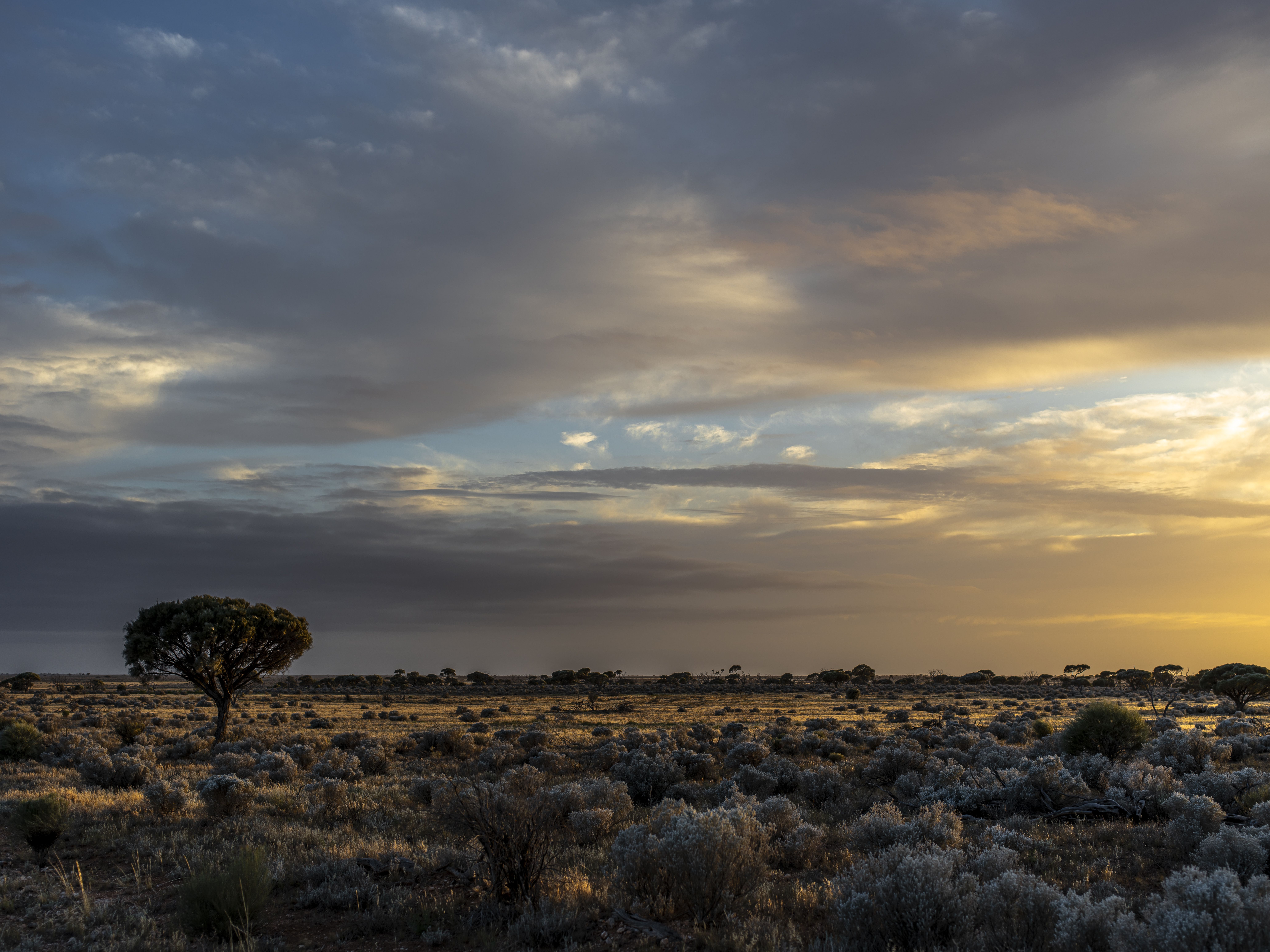 Sunset in the Aṉangu Tjutaku Indigenous Protected Area. Photo by Alan McDonald
The Country Needs People head said IPAs were crucial because they put in a framework of more sustainable management for land and sea, led by Traditional Owners.
"Traditional Owners understand the landscape... The people have lived there for 1000s of years. IPAs are about Indigenous-led governance," he said.
"The sector is more important now than ever... in terms of key goals around climate resilience... There is a lot of enthusiasm but this is difficult and challenging work."
He noted that IPAs create jobs, support culture, and support biodiversity.
"We need to take this as seriously as we would our hospitals or any other major public benefit."
He said invasive species have had huge cultural impacts, with weeds undermining bush tucker, camels impacting native vegetation and water holes, and feral pigs preying on sea turtle nests, among other threats.
Federal Minister for the Environment and Water Tanya Plibersek said the Liberal and National government cut funding to the environment department by over a third which meant important programs that support Indigenous Rangers to manage Indigenous Protected Areas were left under-resourced and underfunded.
"The Albanese Labor Government has committed to an extra $10 million a year to support the management of Indigenous Protected Areas," she said.
"This is in addition to our commitment to double the number of Rangers by the end of the decade, invest in First Nations water rights, and develop stand along cultural heritage legislation."
Mr O'Leary said the system was "world-leading", with First Nations people in Canada calling for their government to establish a similar partnership.
"There are a lot of things we are getting wrong in Australia in terms of the environment and in terms of Indigenous relations but this is one we are getting right," he said.



