



The Coalition of Peaks - a representative body of over seventy Aboriginal and Torres Strait Islander community-controlled peak organisations - has welcomed some measures in the federal budget and called for more to be done to close the gap.
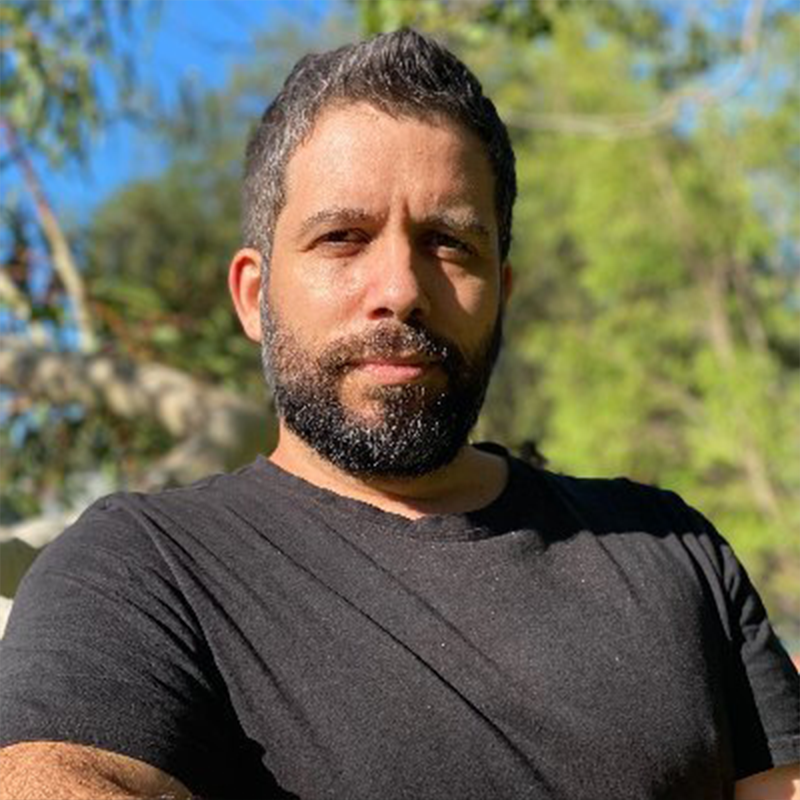
Coalition acting lead convenor, Catherine Liddle, said it was not surprising the budget had a focus on the cost of living.
"Our mob are feeling the cost-of-living crisis acutely, and this budget's investments in housing, education and health will be good for our People, but more will be needed to bridge the widening gap," she said on Tuesday evening.
"We cannot close the gap unless governments change the way they work with Aboriginal and Torres Strait Islander people. We need genuine partnerships, not tick-a-box consultation.
"Following tonight's budget, Aboriginal and Torres Strait Islander people are looking forward to realising these genuine partnerships.We need funding for Aboriginal community-controlled organisations, because they know how best to deliver services to their communities and get results."
In addition to representing more than seventy Aboriginal and Torres Strait Islander community-controlled peak organisations, the Coalition of Peaks also represents certain independent statutory authorities responsible for Closing the Gap policies, programs and services.
Most of the federal government's First Nations budget measures were announced in February; a $770million remote jobs program, and March's announcement of a $4billion remote housing program for the Northern Territory, were the major components of the Indigenous Affairs portfolio.
The 2024 budget commits $151 million to Closing the Gap between Indigenous and non-Indigenous communities.
A focus on First Nations outcomes this year included $110 million over four years to bridge the education divide, with funding to extend existing programs, develop specific policies, attract and retain First Nations teachers and support Indigenous organisations.
A voluntary prison-to-employment $76million transition program would help First Nations prisoners find jobs after release and curb reoffending rates, while a four-year, $13 million youth program aims to help reduce Indigenous suicide rates.
Indigenous health services received a $95 million allocation for treating, preventing and testing for diseases prevalent in First Nations communities.



