



Tulmur's (Ipswich) newest landmark has been launched as a place of culture, healing and reflection, recognising First Nations history and the cultural significance of the city's lands and waters.
Yugara woman Lynda Maybanks described the Queens Park Ceremonial, Healing and Remembrance Place as an important step for truth-telling.
"This is a monumental day for our community and an important step toward truth-telling about frontier conflict and the history of this place," Ms Maybanks said.
"I remember the initial conversations as part of the Accord, so it is inspiring to see this memorial come to fruition.
"We cannot move forward without truthfully acknowledging the past, and I look forward to using this space for education and to inspire learning and conversation for future generations."
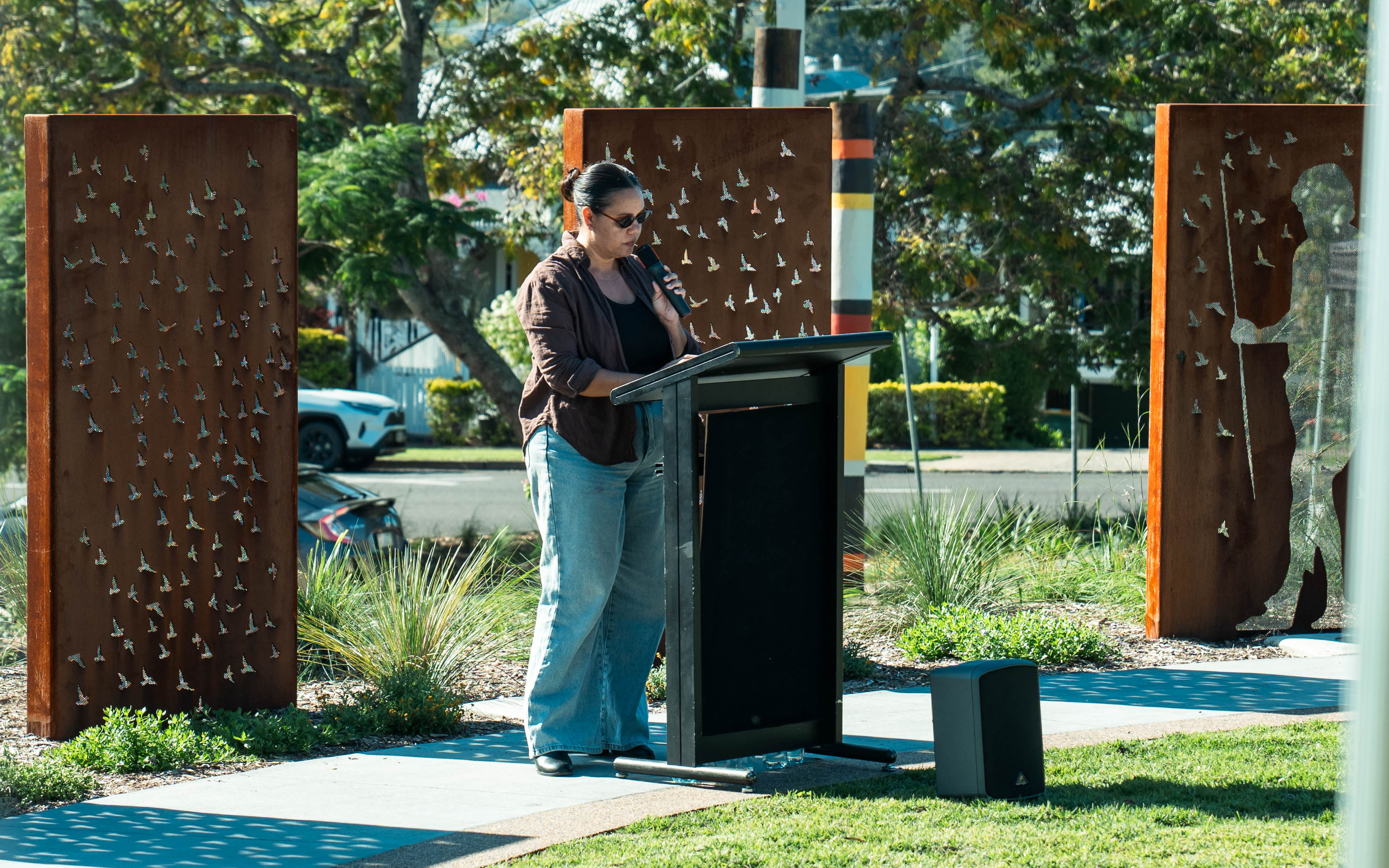
The site is in Queens Park, on land known in the Yagara language as Tulmur, and forms part of the City of Ipswich Indigenous Accord 2020-2025.
The launch opened with a Welcome to Country by Nunukul Yuggera Dancers, who performed traditional songs and dances.
Guest speakers included Ms Maybanks, Dr Ray Kerkhove, an expert in the Frontier Wars and Aunty Lorraine Hatton OAM who was the first identified Aboriginal female to be promoted to Warrant Officer in the Australian Army's history.
Ipswich Mayor Teresa Harding said the space recognised the city's First Nations history and the experiences of First Nations people throughout history.
"As the traditional lands of the Jagera, Yuggera and Ugarapul peoples of the Yugara/Yagara Language Group, our First Nations are fundamental to the existence of Ipswich," Ms Harding said.
"An initiative of council's City of Ipswich Indigenous Accord 2020-2025, the Queens Park Ceremonial, Healing and Remembrance Place is a dedicated space for reflection, education and healing for the whole community.
"It will be open to the public to use and enjoy, including for quiet reflection, as well as being the site of ceremonies, performances and events by Traditional Owners and Indigenous organisations during occasions such as ANZAC Day, and NAIDOC Week."
The site recognises the cultural significance of Queens Park and surrounding areas, which are important to Traditional Owners as part of a wider landscape of bora grounds.
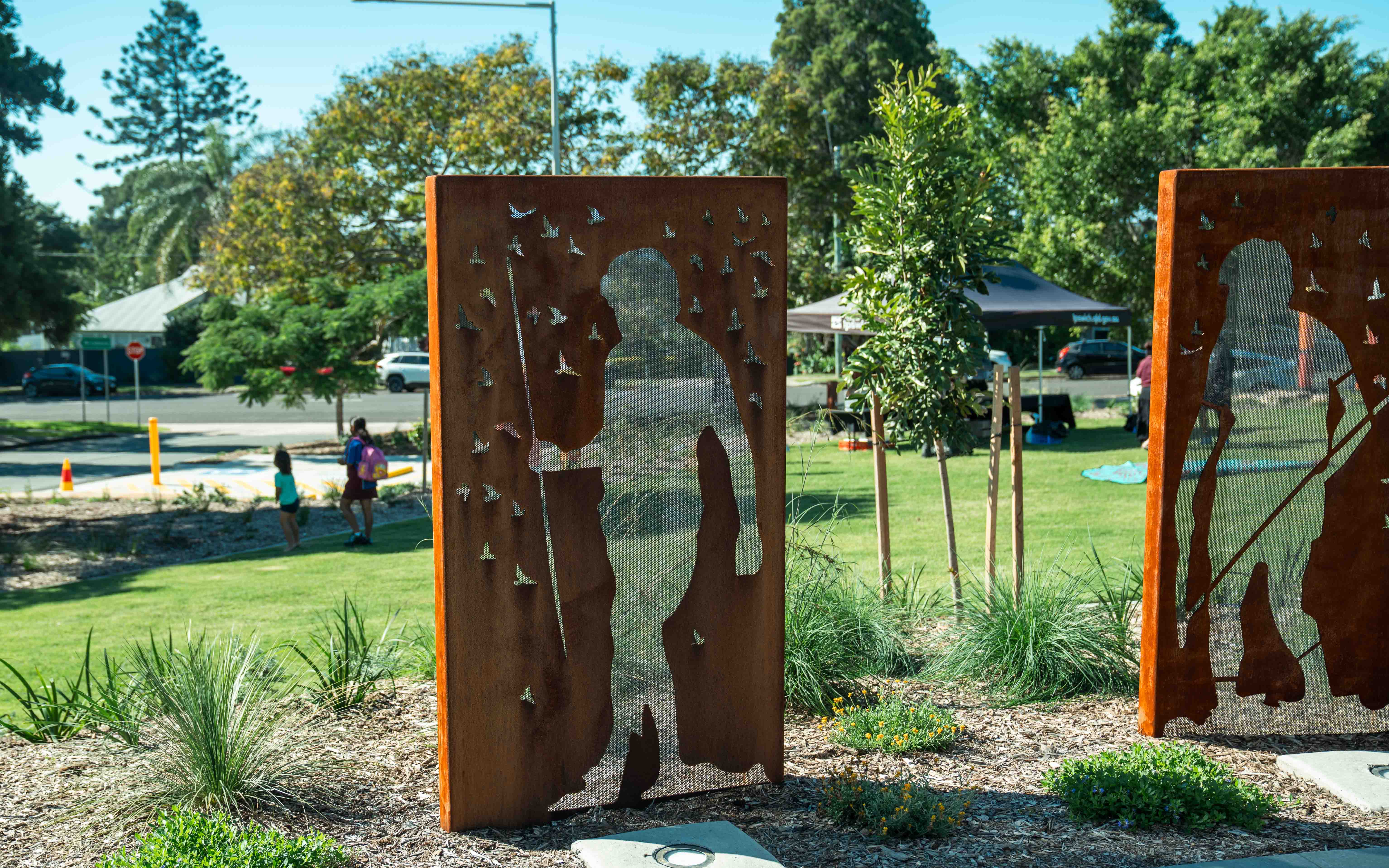
Designed with input from First Nations communities, the space includes cultural design elements such as totem poles, sculptures and a circular performance area, creating a place for reflection, education and healing.
The site includes a circular performance space, totem poles and sculptures, with the lands of Queens Park and surrounds described as part of a wider landscape of bora grounds.
Sculptural elements include a timeline depicted across a series of gundahn, the Yagara name for a conflict shield, representing sacrifices by First Nations men and women through history.
Ms Harding said the design had been shaped by consultation with community.
"These consultations helped to inform the cultural design elements of the site, including a circular performance space, totem poles and sculptures," Ms Harding said.
"Sacrifices of First Nations men and women throughout history, whether it be in intra-clan disputes, the Frontier Wars or conflicts involving Australia overseas, are represented in sculptural elements such as a timeline depicted on a series of gundahn - the Yagara name for a conflict shield.
"Imagery of bird flocks signify camaraderie, while picnic lawns and an amphitheatre provide space for performances or quiet reflection."
Each guest speaker received a hand-painted emu egg from Kooma man Rhan Hooper.
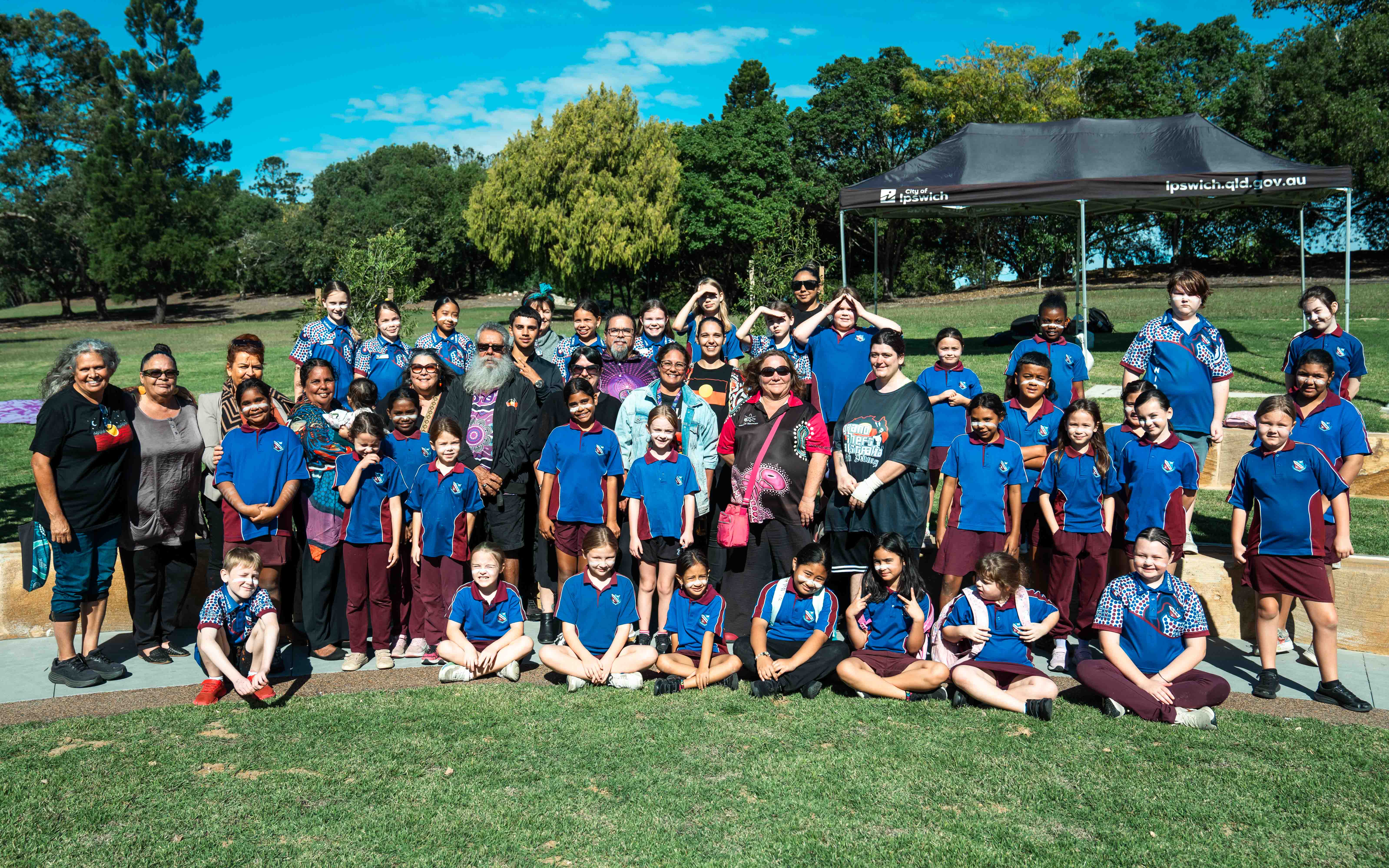
Leichhardt State School students closed the ceremony with traditional dances led by Kooma/Kunja woman Aunty Marly.



