




Torres Strait Islander communities, leaders and dignitaries came together on Wednesday to commemorate the 90th anniversary of the 1936 Torres Strait Islander maritime strike.
The anniversary recognised the strike as a defining moment of collective resistance that reshaped governance, labour rights and self-determination in the region.
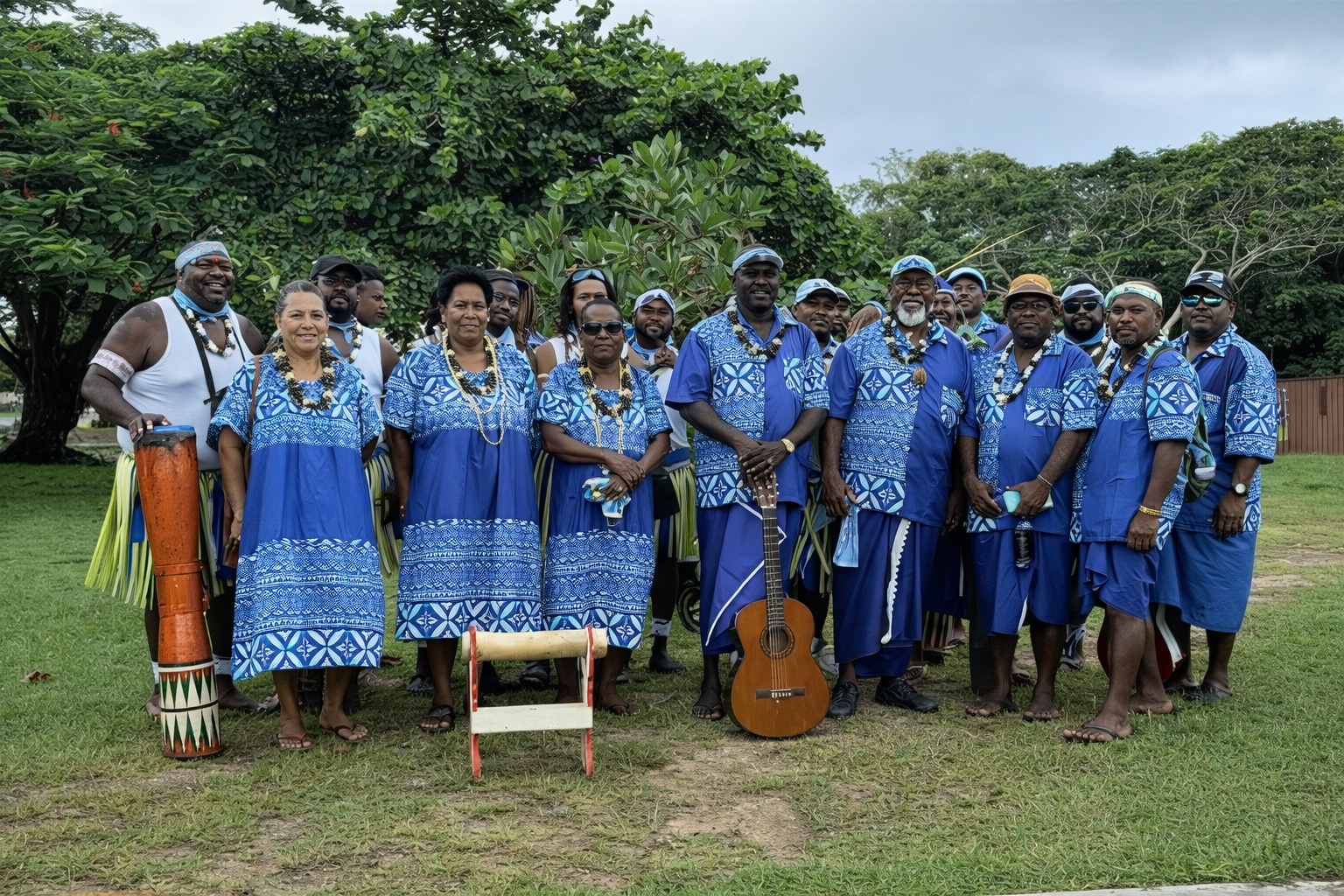
Proceedings began with a march led by Kaurareg representatives from the Thursday Island wharf to the Anglican Hall, accompanied by the Malu Ki'ai singers.
The march was held in honour of Torres Strait Islander maritime workers who walked off the job in 1936 in protest against oppressive controls.
The main commemorative event began with a Welcome to Country from Kaurareg woman, Enid Tom.
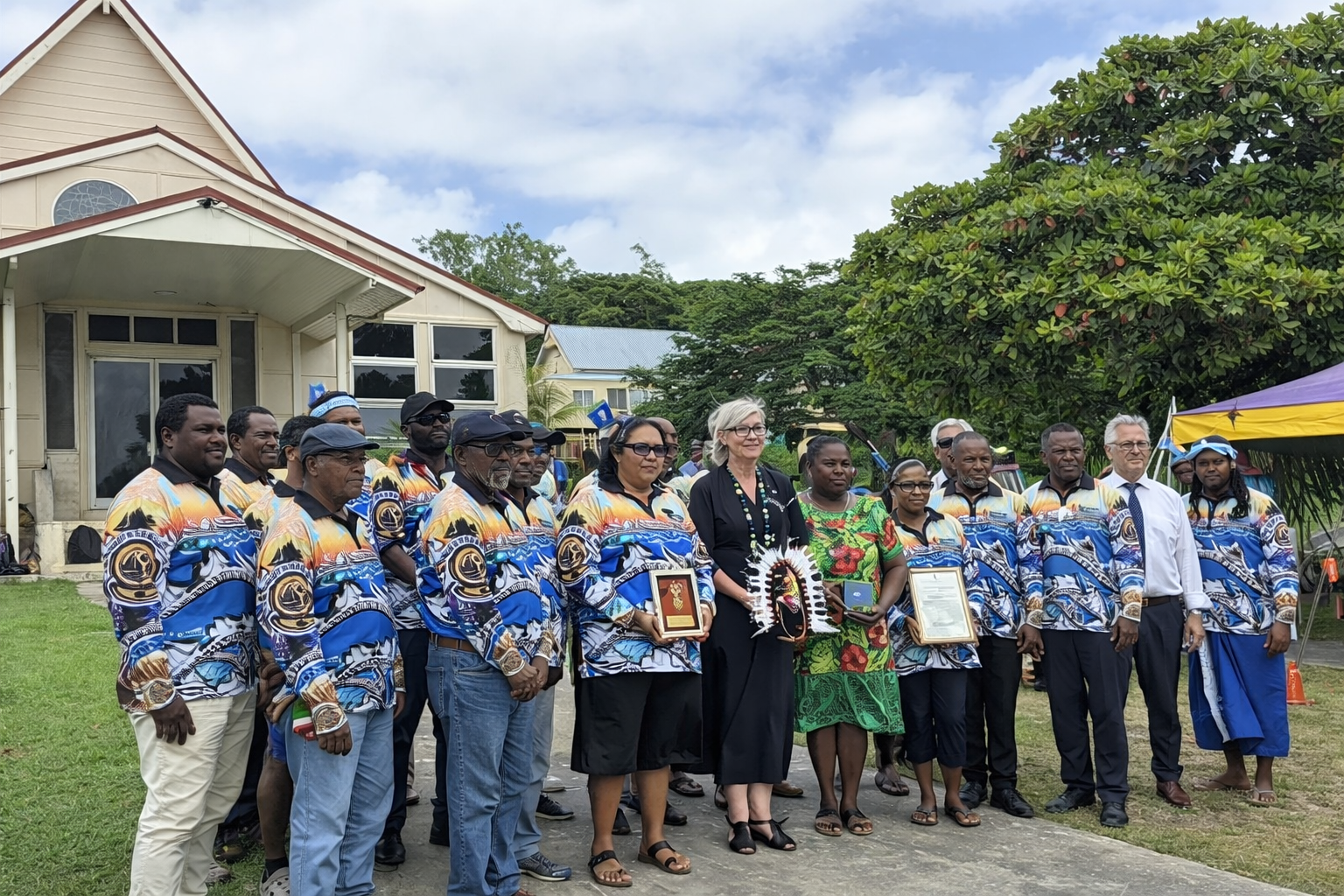
Speakers included Her Excellency the Honourable Sam Mostyn AC, His Excellency Simeon Beckett SC, GBK Chair Ned David, Torres Strait Regional Authority Chair George Nona, Torres Shire Council Mayor Elsie Seriat OAM, Torres Strait Island Regional Council Mayor Philemon Mosby, Senator Nita Green, and Member for Leichhardt Matt Smith.
Lugger boat dances performed by the Malu Ki'ai dance team were also part of the program, reflecting the maritime heritage at the centre of the strike.
Speakers described the strike as a turning point in Torres Strait Islander history and linked its legacy to ongoing calls for self-determination.
Kulkalaig man and Gur A Baradharaw Kod (GBK) Chair, Ned David said the commemoration was about honouring the decision made by workers who chose to walk off the job.
"We are gathered here today not to simply remember an event, but to honour a decision," he said.
"In 1936, Torres Strait Islander maritime workers made a choice... they chose dignity over compliance; unity over isolation; autonomy over control.
"This was not a spontaneous act, it was deliberate, it was organised and it was collective."
Mr David said more than 70 per cent of the Torres Strait Islander maritime workforce participated, arguing conditions of control, surveillance and economic exploitation had become unbearable.
"They were told where to go, how they could work, and what they could earn... they were told to accept it - instead, they refused," he said.
The strike continues to hold lessons for the present, including the role of collective action in pursuing autonomy.
"The first lesson is that autonomy is never granted, it is claimed," he said.
"The second lesson is the power of collectivism.
"No single island, leader, or voice could have carried this alone or forced change."
Mr David also acknowledged women's roles during the strike, describing their support as central to family, culture and resolve.
"The men who walked off those boats were not acting alone," he said.
"Behind them were women holding families together, maintaining culture, sustaining resolve, and carrying the weight of uncertainty.
"Their leadership may not appear in government files, but it is written deeply into our survival."
He said the strike helped create the conditions for later political reform, including the 1937 Inter-Islander Councillors' Conference on Masig.
"This meeting did not happen by accident, it happened because the strike forced the system to listen," Mr David said.
"The boats stopping in 1936 created the space for councils to sit in 1937.
"Economic resistance opened the door to political reform... collective action gave birth to representative governance."
The 90th anniversary was marked as both a reflection on the past and a reaffirmation of Torres Strait Islander unity, culture and self-determination.



