


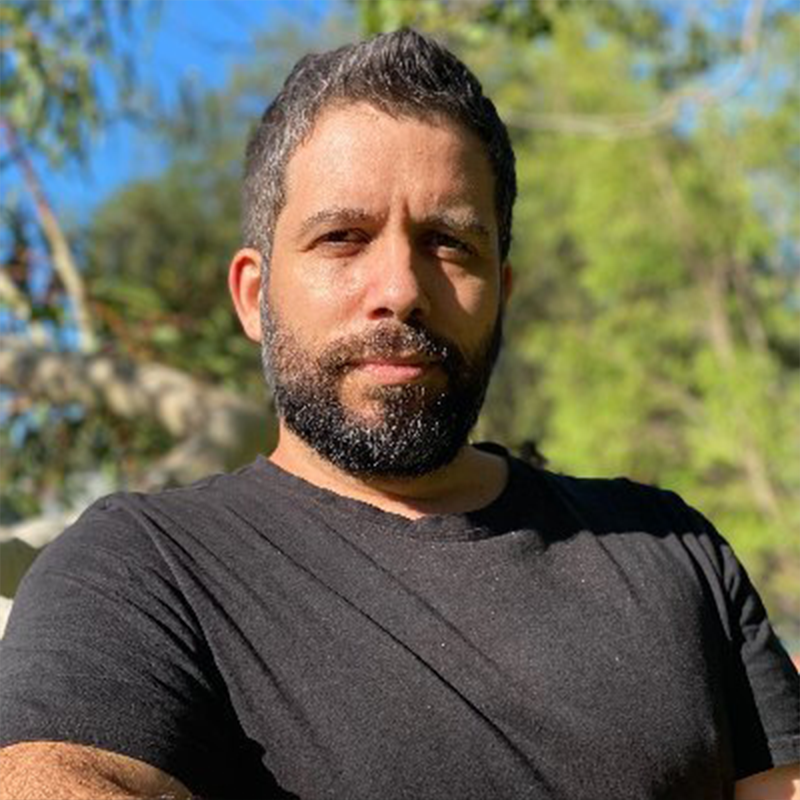

The ongoing inquiry into the death in custody of young Noongar and Torres Strait Islander man Jomen Blanket has heard his mother urged prison authorities to save her son.
Mr Blanket, 30, was found dead in Serco-run Acacia Prison, Western Australia, on June 12, 2019 after his family complained to prison staff about his care and conditions.
The coroner's court heard on Wednesday that Karen Blanket alerted authorities after receiving a phone call from her son in which he said he was going to kill himself.
The call was not referred to the Prisoner Risk Assessment Group (PRAG).
Outside court Ms Blanket told National Indigenous Times that the response to her raising the alarm was "very poor".
"Someone at least could have attended to him, given their attention after the phone call," she said.
"They didn't act straight away to what I said to the workers, probably if they acted straight away, he would still be with us.
"I am disappointed (by the progress of the inquest) at the moment. I feel disgusted at the system and action should be taken."
Ms Blanket said the importance of the inquest goas far beyond her own family.
"This is for all the mothers who have lost their sons in prison. I know there were three other boys who have died. The mother of one of them is a friend of mine, we went to school together. I am at court now but she's not, she is still waiting.
"It doesn't just affect us mothers, it affects our children, it affects their children. We need to get justice for us mothers who suffer, the ones who lost their sons as deaths in custody.
"It is a horrible feeling to lose a son."
Ms Blanket said fundamental change was needed in the system.
"We need justice, we need more Indigenous workers in the prisons, more culture for the Indigenous boys, for Aboriginal and Torres Strait Islander people in prison who are reaching out for help," she said.
"Why didn't they act when he asked for help? Why didn't they respond to it?"
Mr Blanket's aunt Vera Blanket said Jomen's mother had driven out to the prison twice to urge them to protect her son.
"She drove out there twice and told them he was going to kill himself. He didn't receive it (mental health care)," she said.
"There are a lot of Aboriginal boys in there who are loved, who are not violent, they are very family-oriented. Jomen was very family-oriented. He had his head screwed on, he had his life planned out, he was an actor… He made one mistake in his life and it cost him his life."
Megan Krakouer from the National Suicide Prevention and Trauma Recovery Project said there was a nationwide crisis in the system.
"Aboriginal people have been failed right across the country. We had the Royal Commission into Aboriginal Deaths in Custody in 1991 with 339 recommendations that have not been fully implemented, which is an indictment on the state and federal governments," she said.
"They left ligature points in this prison. It's a failure.
"Mr Blanket's mother asked for help, she did go to the prison, she begged for help, she saw the signs," she said. "The prison system did not communicate to the key group that assess risk."
Ms Krakouer said no Aboriginal people were working delivering programs at Acacia Prison.
"They did not have an Aboriginal Visitors Scheme at that prison at that particular time, today they still have no Aboriginal Visitors Scheme.
"The prison system in WA is failing so many people. We are seeing deaths. We are seeing an accumulation of mental health issues in prisoners black, white and brown.
"Right now in WA one out of every 12 Aboriginal men are in prison; the highest rate in the country.
"This is not the first death we have seen in Acacia and it will not be the last until they make sure there are Aboriginal people working in the prisons. Aboriginal Visitors Schemes, employ more people so they can go to Acacia and help keep our people alive, help them with their mental health challenges."
There have been 527 Indigenous deaths in custody since the Royal Commission in 1991.
The WA Department of Justice referred inquiries from National Indigenous Times to Serco, who advised that the company would not comment as the matter is before the court.
In July the National Justice Project, the lawyers representing Mr Blanket's family, attempted to delay the start of the inquest due to what they described as "hopelessly inadequate" available evidence.
Yarn - crisis support - 13 92 76.



